How to convert a calorimeter to steam volume
First, the core principle of the calorimeter to convert the amount of steam
The core function of the calorimeter is to accurately measure the heat released by the combustion and reaction of substances, and the conversion of steam volume is essentially based on the energy conservation relationship between heat and steam generation. When steam is vaporized by water absorbing heat, there is a fixed correspondence between the heat absorbed by water and the quality of the generated steam. This is the basic logic of the calorimeter to convert the amount of steam, relying on heat to accurately calculate the amount of steam.
Key conversion formulas and parameter descriptions
The conversion needs to rely on the core formula: steam volume = heat value/latent heat of vaporization. Among them, the heat value is directly determined by the calorimeter and is the total heat released by the substance; the latent heat of vaporization refers to the heat required for the unit mass of water to be completely vaporized into steam under a specific pressure. This value is affected by the pressure and needs to be accurately valued according to the working conditions. For example, under 1 standard atmospheric pressure, the latent heat of vaporization of water is about 2260 kJ/kg. After clarifying the parameters, the conversion can be completed by substituting it into the formula.
III. Practical operation conversion steps (clear and easy to understand)
1. Accurate heat measurement: Put the sample to be tested into the calorimeter, complete the test strictly according to the operating specifications, and read the heat value after the instrument is stable to ensure that the data is accurate and free of deviation.
2. Determine the latent heat of vaporization: According to the pressure conditions generated by the steam, consult the corresponding vaporization latent heat parameter table to lock the appropriate latent heat value. The latent heat value of different pressures varies significantly, and accurate matching is required.
3. Substitute into the formula calculation: Divide the measured heat value by the determined latent heat of vaporization, and the result is the amount of steam. If it needs to be converted into volume, it can be further converted in combination with the steam density. The steps are simple and easy to use.
IV. Conversion precautions (to avoid errors)
The calorimeter needs to be calibrated regularly to avoid instrument errors leading to inaccurate heat measurement and affecting the steam conversion results.
The latent heat of vaporization should be strictly corresponding to the actual working pressure, and the standard value should not be applied at will, otherwise the conversion deviation will be large.
During the test, it is necessary to ensure that the sample is completely reacted, and the heat measurement is complete to provide reliable data support for the conversion of steam volume.
By mastering the above principles, formulas and practical operation points, the steam conversion of the calorimeter can be quickly and accurately completed to meet the actual work requirements.
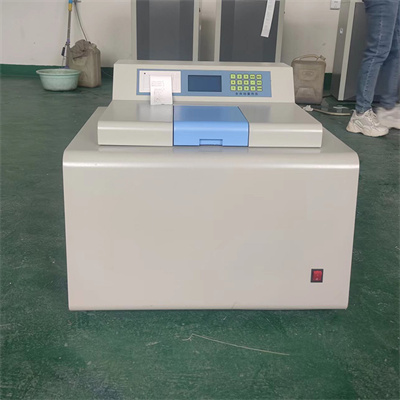 How to read calorimeter data
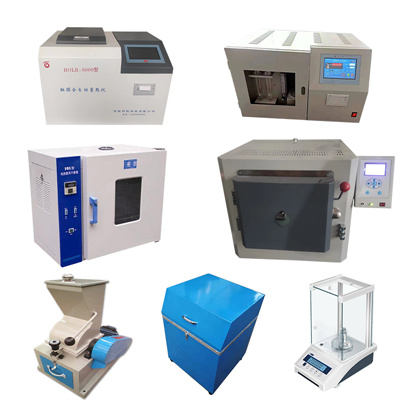 What is the design principle of a calorimeter?
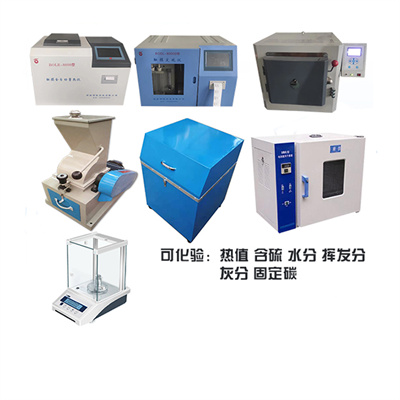 What is the harm of lack of water in the calorimeter?
 What is the input interface of the calorimeter?