How to debug a calorimeter
Preparation before commissioning of calorimeter
Before commissioning the calorimeter, make sure that the instrument is placed in a stable, dry and free of strong electromagnetic interference, and check whether the power connection is stable and the appearance of the instrument is damaged. In addition, prepare the reference materials required for calibration, such as benzoic acid, whose calorific value is known and stable, which is a key material for calibrating the calorimeter.
Calibration operation of calorimeter
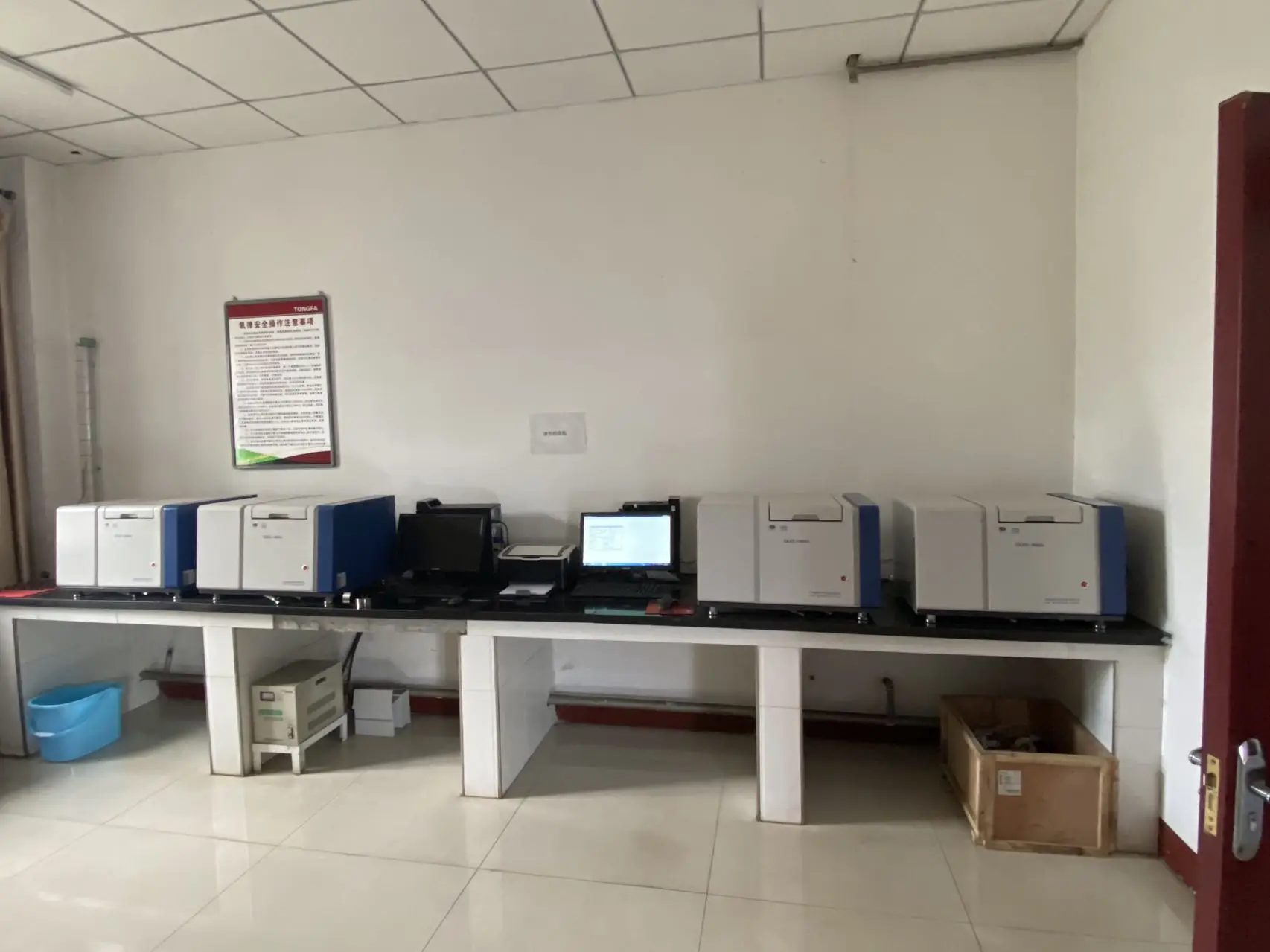
Calibration is the core link of the calorimeter debugging. First put an appropriate amount of standard benzoic acid into the combustion dish, accurately weigh its quality and record it. Then, install the combustion dish into the oxygen bomb of the calorimeter, connect the ignition wire, and ensure good contact. After turning off the oxygen bomb, fill the oxygen bomb with enough oxygen, and the pressure reaches the specified value. Then, put the oxygen bomb into the inner cylinder of the calorimeter, add an appropriate amount of distilled water, and cover the instrument. Start the calorimeter, ignite and measure according to the operation process of the instrument. After the measurement is completed, the heat capacity of the instrument is calculated according to the calorific value of the standard material and the measurement data. If the deviation exceeds the allowable range, the instrument needs to be adjusted accordingly until the heat capacity meets the standard.
Parameter setting and optimization
After the calibration is completed, it is necessary to set the parameters of the calorimeter reasonably. Including setting the measurement temperature range, ignition time, stirring speed, etc. The stirring speed should be moderate, too fast may cause the liquid to splash, too slow will affect the temperature uniformity, generally controlled at 300-500 rpm. The ignition time should be adjusted according to the characteristics of the sample to ensure that the sample is fully burned. At the same time, check whether the display and recording functions of the instrument are normal to ensure that the measurement data is accurately recorded and stored.
Verification and maintenance after commissioning
After the debugging is completed, the samples with known calorific value are used for multiple measurement verification to observe the stability and accuracy of the measurement results. If the deviation of multiple measurement results is small, the debugging is successful. In daily use, the calorimeter is regularly cleaned and maintained, the sealing of the oxygen bomb and the contact of the electrodes are checked, and the aging parts are replaced in time to ensure that the calorimeter is always in good working condition, providing a reliable guarantee for accurate measurement.
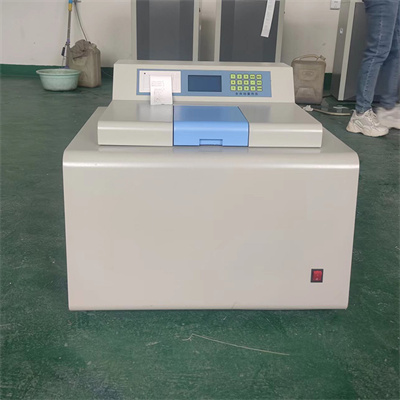 How to read calorimeter data
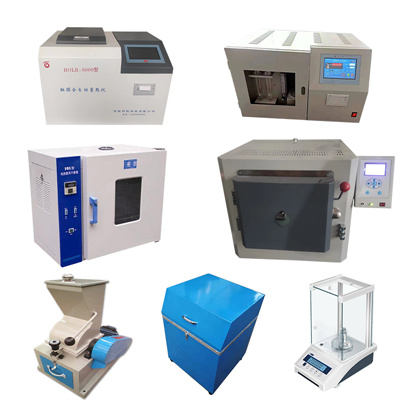 What is the design principle of a calorimeter?
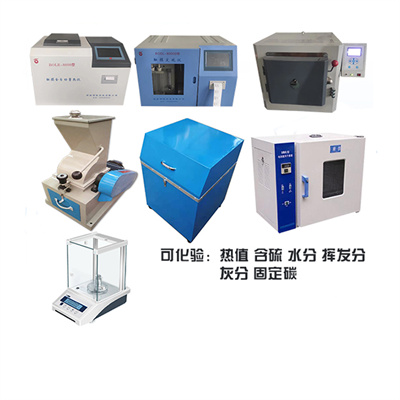 What is the harm of lack of water in the calorimeter?
 What is the input interface of the calorimeter?