How to use a calorimeter
Preparation before use of calorimeter
Before using the calorimeter, it is necessary to be fully prepared. First, check the appearance of the instrument to ensure that there is no obvious damage, the components are firmly connected, and the power supply circuit is intact. Next, clean the instrument, especially the contact parts of the sample, to avoid impurities interfering with the measurement results. At the same time, according to the measurement needs, prepare a suitable sample. The sample should be uniform, dry, and meet the injection specifications of the calorimeter. In addition, it is necessary to preheat the instrument in advance, and set the preheating time according to the instructions, so that the instrument can reach a stable working state, laying the foundation for accurate measurement.
Sample loading specification operation
Sample loading is the key link in the use of a calorimeter. The prepared sample is accurately weighed to the specified quality using special tools, and then carefully loaded into the sample dish to avoid sample spills. During the filling process, ensure that the sample is evenly distributed and cannot be piled up or the gap is too large. After the filling is completed, place the sample dish smoothly into the designated position of the calorimeter to ensure that it is firmly placed to prevent displacement during the measurement process and affect the accuracy and stability of the measurement.
Parameter setting and start-up measurement
After the sample is loaded, it enters the parameter setting stage. According to the sample characteristics and measurement requirements, on the operation interface of the calorimeter, accurately set the key parameters such as the measurement temperature range, heating rate, measurement time, etc. After the setting is completed, carefully check the parameter information. After confirming that it is correct, start the calorimeter to start the measurement. During the measurement process, pay close attention to the operating status of the instrument and observe whether the parameters are normal. If there is any abnormal situation, the measurement should be stopped immediately to troubleshoot the problem.
Data logging and result processing
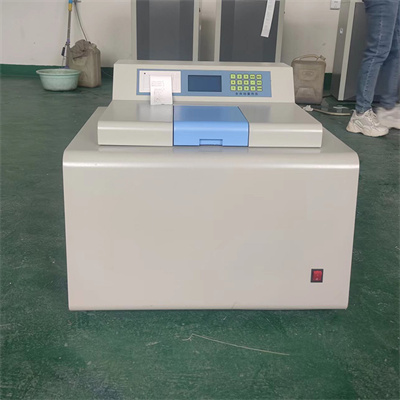
After the measurement is completed, the calorimeter will automatically generate the measurement data. Record these data in a timely and accurate manner, including the initial temperature, maximum temperature, heat change and other information of the sample. Organize and analyze the recorded data, and use relevant calculation formulas to obtain key indicators such as the calorific value of the sample. At the same time, it is necessary to make a reasonable judgment on the measurement results. If the data deviates greatly, it is necessary to analyze the reasons and re-measure if necessary to ensure the reliability and accuracy of the measurement results.
Post-use maintenance and maintenance
After the measurement work is completed, the maintenance and maintenance of the calorimeter cannot be ignored. Clean up the residual samples and impurities inside the instrument in time to keep the inside of the instrument clean. Check and maintain the key components of the instrument, such as sensors, heating devices, etc., to ensure that its performance is good. Regularly calibrate the calorimeter to ensure that the measurement accuracy of the instrument always meets the requirements. In addition, the instrument is placed in a dry, ventilated, and non-corrosive gas environment to prolong the service life of the instrument and provide a strong guarantee for subsequent measurement work.
 How to read calorimeter data
 What is the design principle of a calorimeter?
 What is the harm of lack of water in the calorimeter?
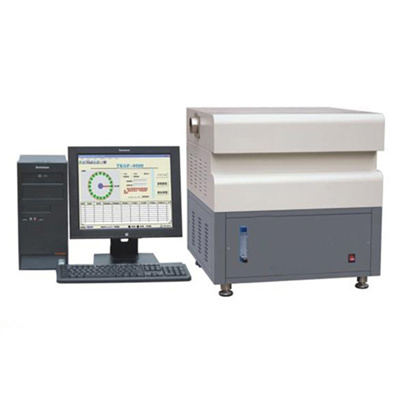 What is the input interface of the calorimeter?