How to change the water in the calorimeter
First, preparations before changing the water
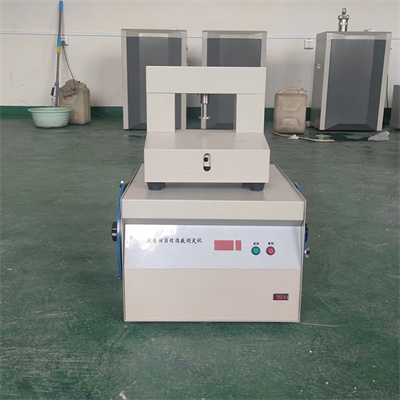
Before changing the water for the calorimeter, it is necessary to be fully prepared. Turn off the power of the calorimeter first to ensure safe operation and avoid the risk of electric shock. Prepare clean distilled or deionized water, and the water quality is pure to ensure the accurate measurement of the calorimeter. At the same time, prepare a clean rag, a suitable container for receiving the old water discharged, and tools such as wrenches to facilitate the removal of relevant parts.
Second, the specific water change operation steps
1. Drain old water: Find the drain port of the calorimeter, usually at the bottom of the instrument. Use a wrench to carefully unscrew the drain valve to slowly discharge the old water in the instrument. Pay attention to observation during the discharge process to prevent water from overflowing and wetting the peripheral equipment.
2. Remove components (if necessary): Some calorimeters have complex structures, and it may be necessary to remove part of the shell or connecting pipes in order to thoroughly clean and replace the waterway. When disassembling, be sure to keep in mind the location and connection method of each component, and take pictures and records to avoid errors during installation.
3. Cleaning the interior: After the old water is drained, rinse the internal parts of the calorimeter such as the water tank and pipes with clean water to remove residual impurities and dirt, and ensure a clean environment when the new water is injected.
4. Inject new water: Slowly inject the prepared distilled water or deionized water into the calorimeter through the water injection port. During the water injection process, pay attention to observe the water level scale and reach the water level specified by the instrument. Do not exceed or exceed, so as not to affect the normal operation of the instrument.
III. Inspection and debugging after water change
After the water change is completed, reinstall the disassembled parts to ensure that the connection is firm and there is no water leakage. Turn on the power supply of the calorimeter and perform a simple test run to check whether the functions of the instrument are normal and whether the water temperature, water level and other parameters are stable. If any abnormalities are found, check the cause and deal with it in time.
IV. Precautions for changing water
During the water change process, avoid water from entering the circuit part of the instrument to prevent short-circuit damage to the instrument. The operation should be gentle to avoid damage to the instrument parts due to excessive force. In addition, regularly replace the water of the calorimeter. It is generally recommended to replace it every 3-6 months. It can be adjusted according to the frequency of use of the instrument and the water quality. To ensure that the calorimeter always maintains a good working condition and provides protection for accurate measurement.
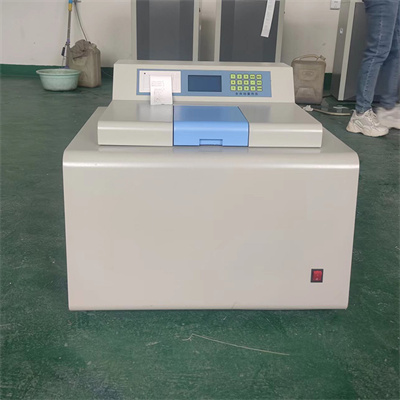 How to read calorimeter data
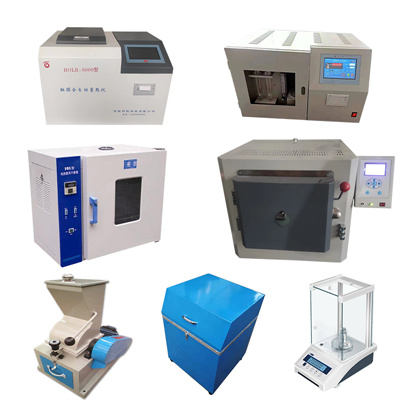 What is the design principle of a calorimeter?
 What is the harm of lack of water in the calorimeter?
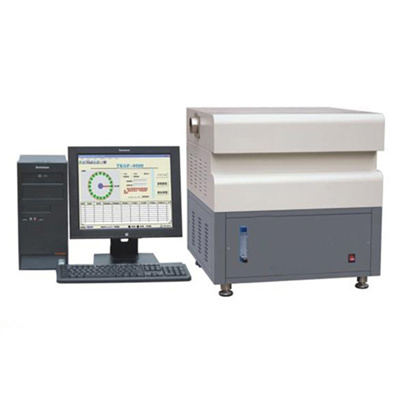 What is the input interface of the calorimeter?