How to clean the calorimeter
The importance of calorimeter cleaning
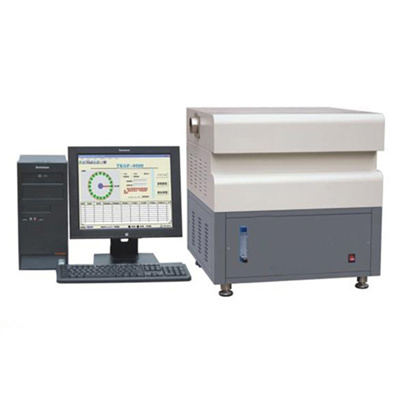
As a key instrument for accurately measuring heat, the degree of cleanliness of the calorimeter directly affects the accuracy of the measurement results. After long-term use, it is easy to leave samples, dust and other impurities inside the instrument. If it is not cleaned in time, it will not only reduce the measurement accuracy, but also damage the instrument parts and shorten the service life. Therefore, it is crucial to master the correct cleaning method of the calorimeter.
Preparation before cleaning up
Before starting to clean, be sure to turn off the power of the calorimeter, and wait until the instrument is completely cooled before operating to avoid the risk of electric shock and burns. Prepare cleaning tools, such as clean and soft rags, special detergents, brushes, tweezers, etc. At the same time, read the instruction manual of the calorimeter carefully to understand the structure of the instrument and the parts that can be cleaned to prevent misoperation and damage to the instrument.
External cleaning steps
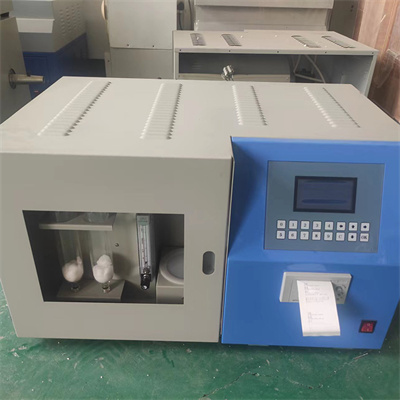
1. Surface cleaning: Gently wipe the shell of the calorimeter with a clean and soft rag to remove dust, stains and fingerprints on the surface. For stubborn stains, you can dip a small amount of special detergent to wipe, but be careful to avoid the detergent from flowing into the instrument.
2. Interface cleaning: Use a brush to carefully clean the dust and debris at the interface of the instrument to ensure that the interface is clean and free of blockage, so as not to affect the normal connection and use of the instrument.
Internal cleanup points
1. Sample compartment cleaning: Open the sample compartment, remove the remaining sample fragments with forceps, and then use a brush to clean the dust and impurities in the compartment. For residues that are difficult to clean, use a small amount of special detergent with a soft cloth to wipe, but make sure the compartment is dry after wiping.
2. Sensor cleaning: The sensor is the core component of the calorimeter, so be extra careful when cleaning. Gently wipe the surface of the sensor with a clean soft cloth to remove dust and oil. Do not use sharp objects or strong corrosive cleaners to avoid damage to the sensor.
Inspection and maintenance after cleaning
After the cleaning is completed, carefully check whether the various parts of the instrument are installed in place and whether they are damaged or loose. Connect the power supply and conduct a simple functional test to ensure the normal operation of the instrument. In addition, regular comprehensive inspection and maintenance of the calorimeter, such as calibrating the instrument, replacing aging parts, etc., can effectively prolong the service life of the instrument and ensure the measurement accuracy.
Mastering the correct cleaning method of the calorimeter can not only ensure the measurement accuracy of the instrument, but also prolong its service life. Follow the above steps to regularly clean and maintain the calorimeter to keep the instrument in the best working condition and provide reliable support for experiments and testing work.
 How to read calorimeter data
 What is the design principle of a calorimeter?
 What is the harm of lack of water in the calorimeter?
 What is the input interface of the calorimeter?