Is the calorimeter a calorimeter?
calorimeter and calorimeter are not equivalent concepts. Although both focus on heat measurement, there are significant differences in definition, structure, and application scenarios. Understanding these differences is essential for accurate thermal analysis.
From the essence of the definition: a calorimeter is a broad concept that refers to a complete set of equipment or systems for measuring heat. It can flexibly combine components according to different experimental needs, covering core components such as reaction vessels, temperature sensors, and stirring devices, and is suitable for a variety of heat measurement scenarios. The calorimeter is a specific and standardized product of the calorimeter. It is a precision instrument specially developed for the accurate measurement of heat. It integrates a complete measurement, temperature control and data processing system. It has a fixed structure and standardized operation process, and belongs to the professional equipment within the scope of the calorimeter.
From the structure and principle to see the core difference: the structure of the calorimeter can be customized according to the needs of the experiment. For example, a simple calorimeter can be built with a thermos cup, thermometer and stirring rod, and the heat is calculated by monitoring the temperature change. The principle is relatively flexible and suitable for teaching demonstrations, preliminary experiments and other scenarios. The calorimeter adopts a highly integrated design, with a built-in precise temperature control module, a high-sensitivity temperature sensor and an intelligent data processing unit. It follows strict thermodynamic measurement principles and can automatically compensate for heat loss to ensure high accuracy of the measurement results. It is suitable for scientific research experiments, industrial production and other scenarios that require extremely high data accuracy.
From the application scenario, the function focuses: with flexibility, the calorimeter is often used in teaching experiments, simple on-site detection and other scenarios that do not require high accuracy, which can be quickly built to meet the basic measurement needs. With high precision and stability, calorimeters are widely used in chemical, energy, food and other industries to measure the combustion heat, reaction heat, specific heat capacity and other key parameters of substances, providing accurate data support for product quality control and process optimization.
Summarize the core points: The calorimeter includes a calorimeter, which is a representative of specialization and standardization in the calorimeter. The core difference between the two is that the calorimeter is flexible and customizable, suitable for basic measurement; the calorimeter is precision and standardized, suitable for high-precision professional measurement. In practical work, it is necessary to choose a calorimeter or calorimeter reasonably according to the measurement accuracy and scene requirements in order to effectively complete the heat measurement task.
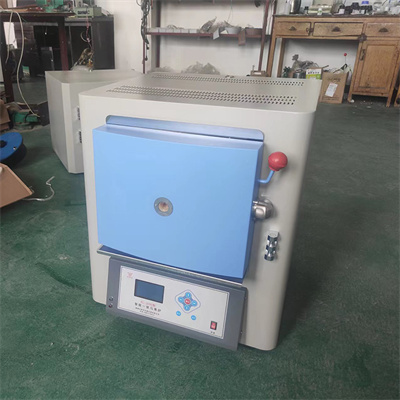
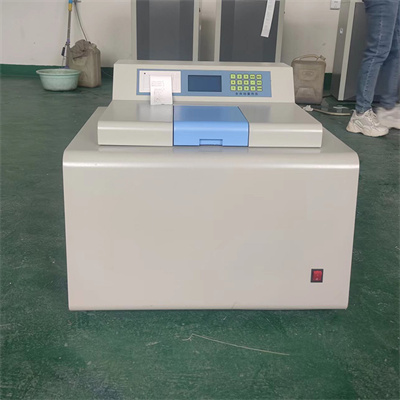 How to read calorimeter data
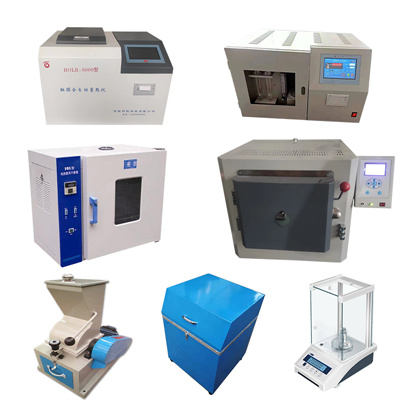 What is the design principle of a calorimeter?
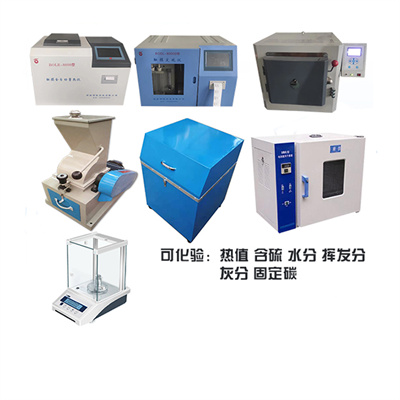 What is the harm of lack of water in the calorimeter?
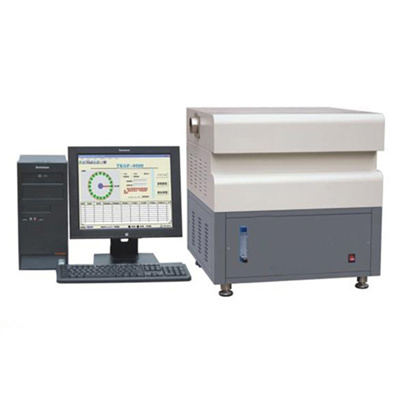 What is the input interface of the calorimeter?