What does a calorimeter measure?
The core measurement object of a calorimeter: heat
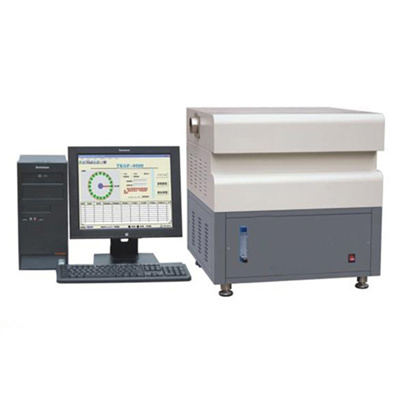
As a professional heat measuring instrument, the core function of a calorimeter is to accurately determine the heat absorbed or released by a substance during a physical or chemical reaction. Whether it is the heat released by fuel combustion or the heat change accompanying a chemical reaction, it can efficiently capture it.
Main application scenarios of calorimeters
In the field of energy, calorimeters are used to detect the calorific value of fuels such as coal and petroleum, which is a key indicator for evaluating fuel quality and is directly related to energy utilization efficiency. In chemical production, they can monitor the heat changes in the reaction process, help optimize process parameters, and ensure production safety and stability. In scientific research experiments, by measuring the specific heat capacity of substances and other thermodynamic parameters, they provide core data support for material research and development and theoretical research.
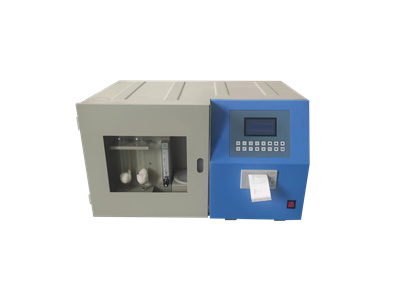
A Brief Analysis of the Working Principle of Calorimeter
The calorimeter operates based on the principle of heat balance. When the heat of the measured substance changes, it will exchange heat with the temperature measurement medium inside the instrument. The instrument captures the temperature change through a high-precision sensor, and then calculates the heat value in combination with the relevant formula. The whole process is fast and accurate, providing reliable heat data for various industries.
In simple terms, a calorimeter is an accurate "calorimeter" that plays an irreplaceable role in the fields of energy, chemical industry, and scientific research, establishing a solid data foundation for production practice and scientific research.
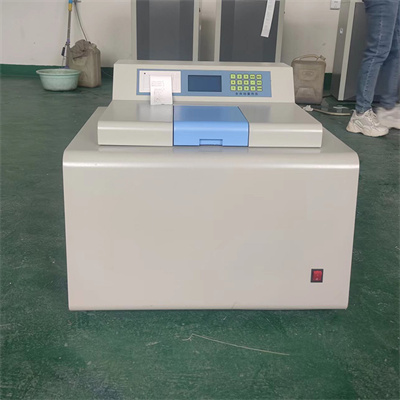 How to read calorimeter data
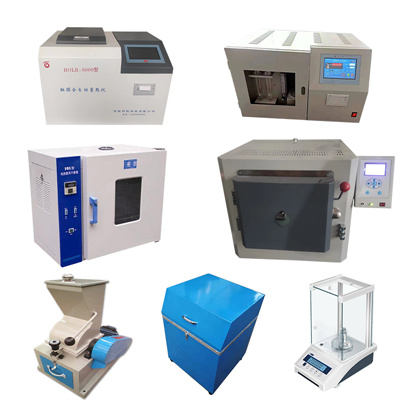 What is the design principle of a calorimeter?
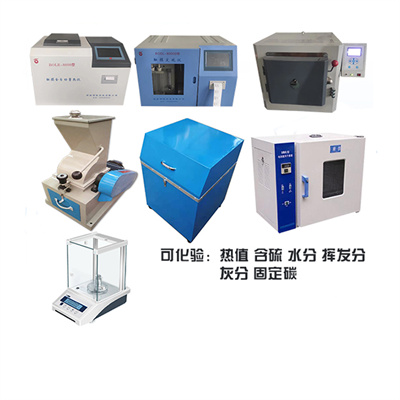 What is the harm of lack of water in the calorimeter?
 What is the input interface of the calorimeter?