What should I do if the calorimeter fails to correct?
When using a calorimeter for accurate heat measurement, calibration failure is a common problem. If not solved in time, it will seriously affect the accuracy of the experimental data. Here are some ways to deal with calorimeter calibration failure to help you quickly restore the normal operation of the instrument.
Identify common causes of correction failure
The failure of the calibration of the calorimeter is often due to various factors. The failure of the instrument components is one of the key reasons, such as the aging of the ignition wire and the poor contact of the electrodes, which will lead to the failure of the ignition and the inability to complete the calibration process; the interference of environmental factors cannot be ignored. Excessive temperature fluctuations and excessive humidity in the laboratory will affect the thermal stability of the instrument, resulting in the deviation of the correction data. In addition, irregular operation, such as inaccurate sample weighing and wrong order of reagents addition, will also lead to calibration failure.
Accurately troubleshoot the root cause of the failure
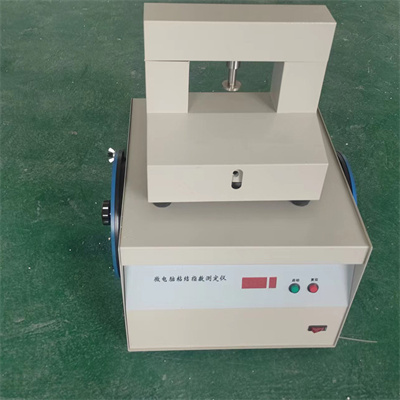
When the calibration fails, it is necessary to check accurately according to the steps. First check the appearance of the instrument, check whether the ignition wire is broken, whether the electrode is oxidized, and replace it in time if it is damaged; then check the environmental conditions, use the thermometer to confirm whether the temperature and humidity of the laboratory are within the allowable range of the instrument. If it does not meet the standard, turn on the air conditioner and dehumidifier to adjust the environment; finally review the operation process, check whether the steps such as sample weighing and reagent addition are in compliance, and correct the irregular operation in time.
Master the correct calibration method
After troubleshooting, it is necessary to re-correct according to the standard process. First, prepare the calibration substances such as standard benzoic acid to ensure that their purity and quality meet the requirements; second, strictly follow the instrument instructions, put the correction substances into the calorimeter, and set the appropriate parameters; finally, start the correction procedure, record the correction data, and compare it with the standard value. If the deviation is within the allowable range, the correction is successful. If the deviation is too large, the cause needs to be checked again and re-corrected.
Daily maintenance to prevent problems
In order to avoid calibration failures, daily maintenance is essential. Regularly clean the inside of the instrument to prevent dust accumulation from affecting the performance of the instrument; conduct monthly performance inspections of the instrument to detect potential problems in time; operators need to undergo professional training and be proficient in the operation process of the instrument to reduce the occurrence of calibration failures from the source.
Mastering the above methods can effectively deal with the problem of calibration failure of the calorimeter, ensure that the calorimeter is always in accurate operation, and provide reliable data support for the experiment.
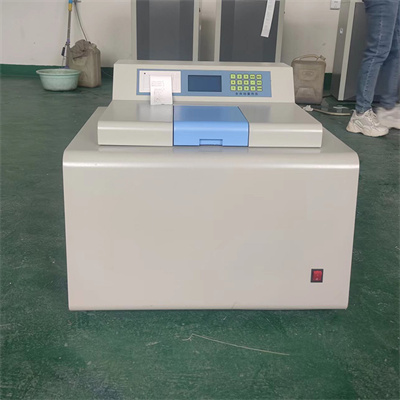 How to read calorimeter data
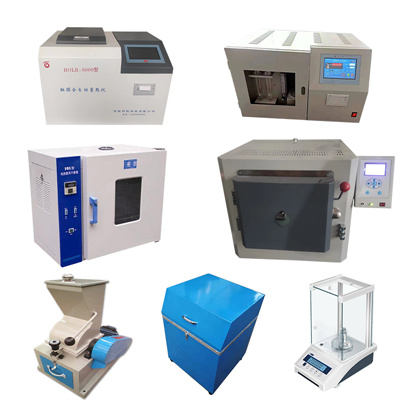 What is the design principle of a calorimeter?
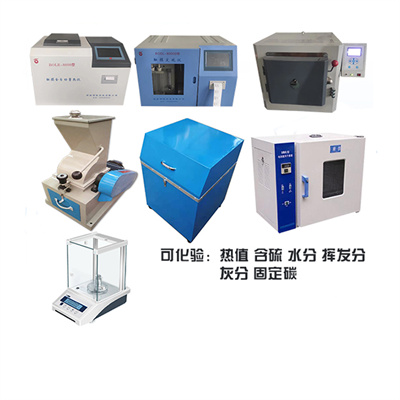 What is the harm of lack of water in the calorimeter?
 What is the input interface of the calorimeter?