How much is the biomass calorimeter?
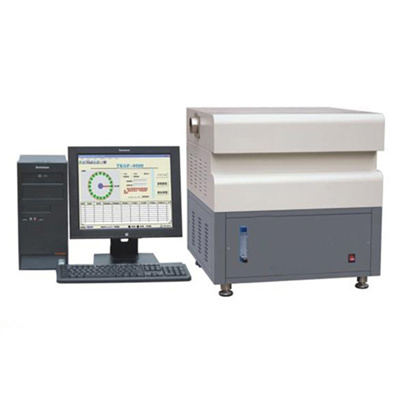
In fields such as scientific research and energy testing, biomass heat meters are key equipment for accurately measuring the heat of substances. When purchasing, many customers are primarily concerned about how much the biomass heat meter costs. In fact, its price is not a fixed value, but is determined by many core factors. By grasping these points, you can quickly clarify the pricing logic.
Device type and core configuration are the basis for price
Biomass calorimeters are divided into different types, the common ones are adiabatic, constant temperature, etc. The technical principles and application scenarios of different types are obviously different. At the same time, the grade of the core configuration directly widens the price gap, such as high-precision sensors, intelligent temperature control systems, and data processing modules. The higher the configuration, the stronger the accuracy and stability of the equipment, and the higher the price. The price range between the basic model and the high-end model can be several times different.
Brand and technical strength affect price levels
Domestic and foreign brands have differences in technology precipitation, R & D investment and quality control. Well-known brands rely on mature technical systems and reliable quality control to achieve better product stability, better after-sales guarantee, and higher prices than small and medium-sized brands. In addition, customized technologies with independent research and development patents and adaptable to complex testing needs will also further increase the price of equipment. Such equipment can accurately match special experimental scenarios, and the cost performance is reflected in long-term use benefits.
Detection accuracy and functional modules determine the price span
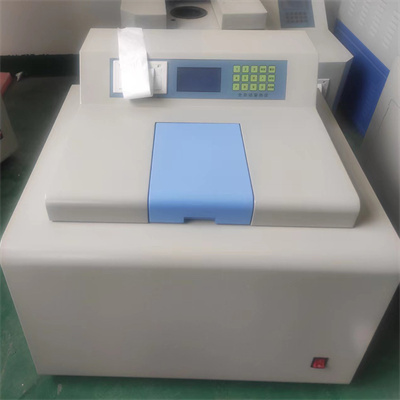
Detection accuracy is the core indicator of biomass thermometer. The higher the accuracy, the more stringent the requirements for hardware and algorithms, and the price will rise accordingly. In addition, whether the equipment has expanded functions such as automatic sampling, simultaneous detection of multiple samples, and data networking transmission will also directly affect the quotation. The more complete the functions and the higher the degree of automation, the more it can meet the needs of batch testing, and the price is naturally in a higher range, while the basic function model is more cost-effective.
The procurement channel is associated with the final offer for additional services
Purchasing directly from the manufacturer can save the cost of intermediate links and make the price more affordable; while purchasing through an agent, although localized services can be obtained, it will include certain channel costs. At the same time, whether to include additional services such as installation and commissioning, operation training, and quality assurance period extension will also make the final quotation fluctuate. These services can reduce the cost of later use and need to be comprehensively considered in combination with their own needs.
Overall, the price of biomass heat meters ranges from tens of thousands to hundreds of thousands of yuan, depending on the type of equipment, brand, accuracy and functional configuration. When purchasing, it is recommended to clarify your own testing needs first, and then compare the quotations of different brands and configurations in order to choose cost-effective equipment that can accurately meet the needs of scientific research or testing work.
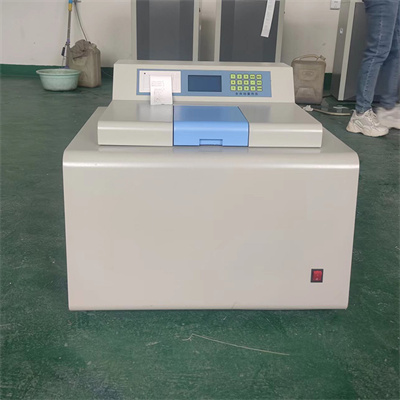 How to read calorimeter data
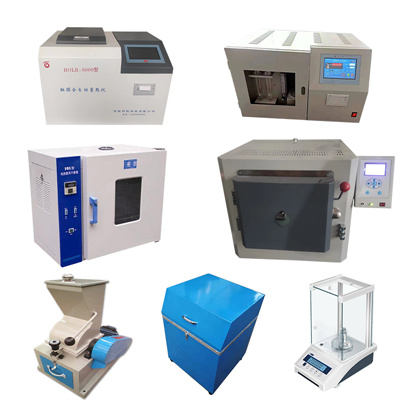 What is the design principle of a calorimeter?
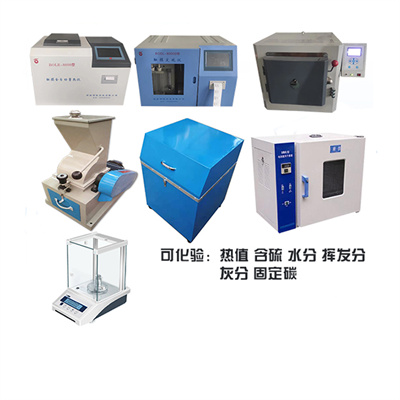 What is the harm of lack of water in the calorimeter?
 What is the input interface of the calorimeter?