How much is the imported isothermal calorimeter?
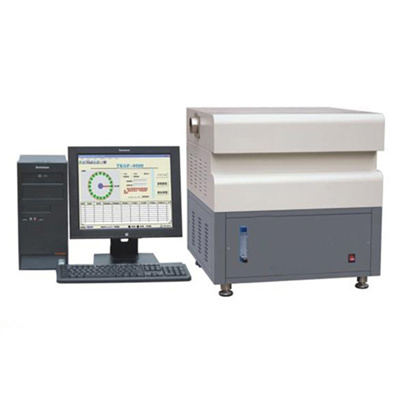
In the field of scientific research and industrial production, imported isothermal calorimeters have become essential equipment for many laboratories and enterprises due to their high accuracy and stability. When purchasing, many customers are most concerned about the question: how much is an imported isothermal calorimeter? In fact, its price is not a fixed value, but is determined by multiple factors. Only by understanding these factors can we accurately control the procurement cost.
Brand differences are the core factors that affect the price. Different imported brands have very different technical precipitation, R & D strength and market positioning. Leading well-known brands rely on mature technology and perfect after-sales system, and their prices are often at a high level, and a single device may range from hundreds of thousands to millions; while some niche imported brands, although their core performance is up to standard, but because of the low brand premium, the price is relatively close to the people, usually in the range of hundreds of thousands to hundreds of thousands. When choosing, you need to consider your own accuracy needs and budget comprehensively.
Equipment configuration and functions directly determine the price. The configuration of imported isothermal calorimeters is flexible and changeable, and the basic model can only meet the needs of conventional testing, and the price is relatively low; if you need customized functions, such as multi-channel simultaneous detection, ultra-wide temperature range adaptation, intelligent data analytics system, etc., the richer the configuration, the higher the price will naturally rise. In addition, the higher the detection accuracy and resolution of the equipment, the greater the cost investment, and the final quotation will also increase accordingly.
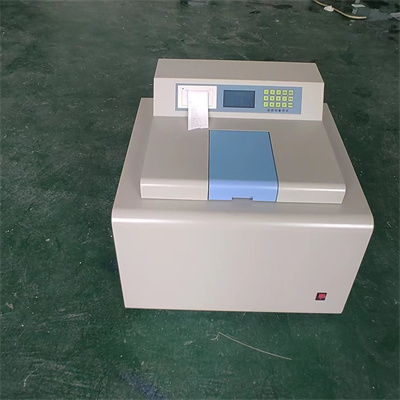
Procurement channels and additional services affect the final cost. Purchasing directly from the brand's original factory, although it can guarantee the authenticity and after-sales of the equipment, it may face higher tariffs and transportation costs; purchasing through regular authorized agents, although the price may fluctuate slightly, you can get localized installation and commissioning, technical training and other services, which are more cost-effective. At the same time, if you need supporting consumables and long-term maintenance services, these additional costs will also be included in the overall procurement budget.
Market supply and demand and exchange rate fluctuations lead to price fluctuations. When the market demand for imported isothermal calorimeters is strong and the supply is relatively tight, the price will rise slightly; otherwise, it may fall back. In addition, imported equipment is settled in foreign currencies, and exchange rate fluctuations will directly affect the final procurement cost. When the exchange rate rises, the equipment price may rise accordingly.
In summary, the price of imported isothermal calorimeters is affected by multiple factors such as brand, configuration, procurement channels, market and exchange rate, and there is no unified quotation. It is recommended to clarify your own needs before purchasing and compare the solutions of different brands and channels in order to ensure the performance of the equipment while reasonably controlling the procurement cost and making the best choice.
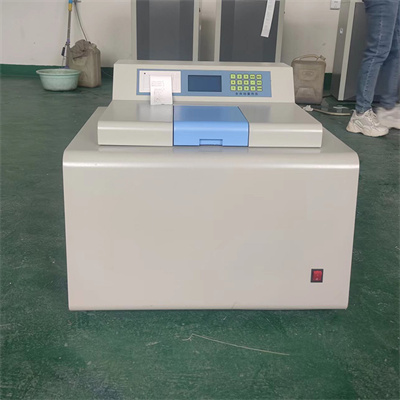 How to read calorimeter data
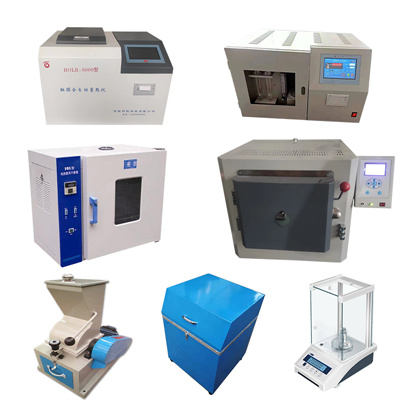 What is the design principle of a calorimeter?
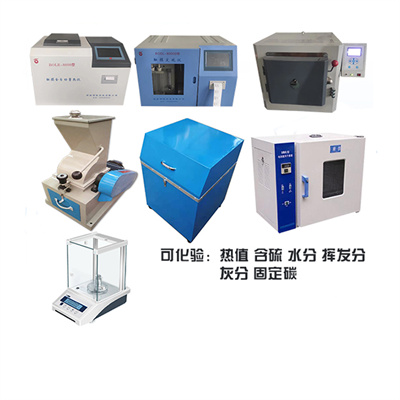 What is the harm of lack of water in the calorimeter?
 What is the input interface of the calorimeter?