How to deflate the cartridge of the calorimeter?
When using a calorimeter to carry out experiments, the deflation of the cartridge is a crucial operation link. Whether the operation is standardized not only affects the accuracy of the experimental data, but also affects the safety of the operator. The following is a detailed introduction to the deflation method of the calorimeter cartridge.
Step 1: Prepare for deflation
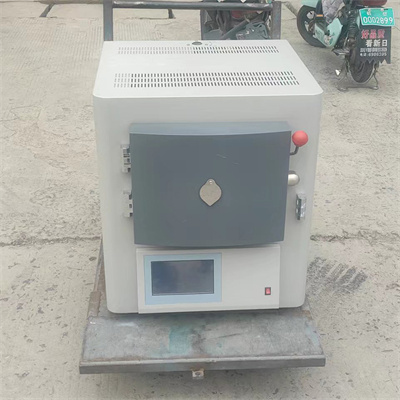
Before deflating, it is necessary to ensure that the calorimeter is in a power-off state to avoid danger caused by accidental start of the instrument during operation. At the same time, carefully check the appearance of the cartridge to see if there is any damage, air leakage, etc. If any abnormality is found, it is necessary to troubleshoot before deflating. Prepare special deflation tools, such as deflation valve wrenches, protective gloves, etc., and take personal protection to prevent high temperature gas or residual substances from scalding the skin.
Step 2: Find the deflation location
The deflation port of the calorimeter cartridge is usually located on the top or side of the cartridge. The position of the deflation port of different models of calorimeters may be slightly different. Before operation, read the instrument manual carefully to accurately locate the deflation port. After finding the deflation port, clean up the surrounding dust and debris to prevent foreign objects from blocking the deflation channel and affecting the deflation effect.
Step 3: Standardize the execution of the deflation operation
After wearing protective gloves, hold the deflation tool and slowly unscrew the deflation valve of the cartridge. Note that the unscrew speed should not be too fast, and the gas in the cartridge should be slowly discharged step by step. During the deflation process, keep the body at a safe distance from the cartridge to avoid damage to the body caused by gas splashing. After the pressure in the cartridge is fully released and no gas is discharged, fully open the deflation valve to check whether there is any residual pressure inside.
Step 4: Do a good job of post-deflation inspection
After the deflation is completed, check again whether the deflation valve is closed tightly to prevent air leakage during subsequent use. At the same time, simply clean the inside of the cartridge to remove possible residual impurities and prepare for the next experiment. Finally, organize the deflation tool and restore the calorimeter to its ready-to-use state.
Special attention is required. The deflation operation must be carried out in strict accordance with the instrument instructions, and illegal operations are strictly prohibited. If you encounter unsolvable problems during the deflation process, do not disassemble the instrument without authorization, and contact professional and technical personnel in time to ensure safe operation and normal use of the instrument.
 How to read calorimeter data
 What is the design principle of a calorimeter?
 What is the harm of lack of water in the calorimeter?
 What is the input interface of the calorimeter?