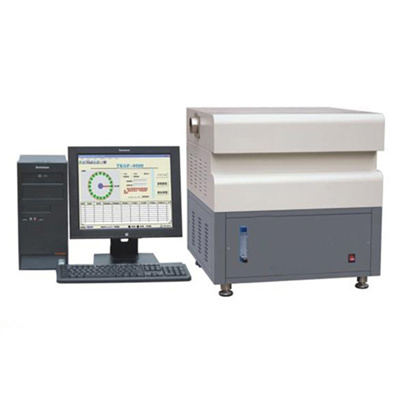
Which one is better to sell a fast calorimeter?
In the coal, chemical, electric power and other industries, fast calorimeters are the core equipment for accurately measuring the calorific value of substances, and their performance directly affects the detection efficiency and data accuracy. In the face of many manufacturers selling fast calorimeters in the market, how to choose? The following are the key points for you to sort out from the core dimension.
First, look at the core performance and build a solid foundation for testing
A high-quality fast calorimeter requires excellent core performance. The first is the measurement accuracy. High-quality equipment can control the measurement error within the range of national standards. Under the requirements of GB/T213-2008 standards, the measurement accuracy can reach within 0.1% to ensure reliable data. Secondly, the detection speed. A truly efficient fast calorimeter can shorten the single detection time to 10-15 minutes, which is more than 30% higher than traditional equipment and greatly adapts to the batch inspection needs of enterprises. At the same time, the stability of the equipment is also crucial. High-quality manufacturers adopt advanced constant temperature technology, which can reduce the interference of ambient temperature fluctuations on the detection results and ensure long-term stable operation.
Second, look at technical strength and demonstrate professional standards
The technical strength of the manufacturer directly determines the quality of the product. Reliable sales manufacturers often have independent research and development teams, master core patented technologies, and can continue to upgrade and iterate the equipment. For example, some leading manufacturers optimize the combustion system and data collection algorithm to make the equipment more automated, which not only reduces the difficulty of manual operation, but also reduces human error. In addition, manufacturers with strong technical strength can also provide customized solutions according to the special needs of customers, adapting to the detection scenarios of different industries, rather than just providing standardized products.
Look at after-sales services to ensure worry-free use
Equipment procurement is not a one-shot deal, perfect after-sales services are the key. Quality manufacturers will provide full-process after-sales support, including equipment installation and commissioning, operator training, to ensure that customers can get started quickly. In the event of equipment failure, we can provide timely maintenance services, such as promising 24-hour response and door-to-door maintenance within 48 hours to minimize equipment downtime. At the same time, we will also provide long-term technical support and equipment maintenance suggestions to ensure that the equipment is always in good working condition and solve customers' worries.
IV. Look at customer word-of-mouth and verify actual performance
Customer word of mouth is an important yardstick for testing the strength of a manufacturer. When selecting, you can focus on the manufacturer's cooperation cases to understand the use of its equipment in enterprises in the same industry. For example, check whether the manufacturer has established long-term cooperative relationships with large coal groups and well-known chemical companies. These cooperation cases can intuitively reflect the stability and reliability of the equipment. In addition, you can also learn about other users' real feedback on equipment performance and after-sales services through industry forums, customer evaluations and other channels to avoid stepping on the pit.
Overall, choosing a manufacturer that sells a fast calorimeter requires comprehensive consideration from multiple dimensions such as core performance, technical strength, after-sales services, and customer reputation. Only manufacturers that take into account product quality and after-sales guarantee can provide customers with truly high-quality and reliable fast calorimeters, help enterprises carry out efficient testing work, and ensure production quality and efficiency.
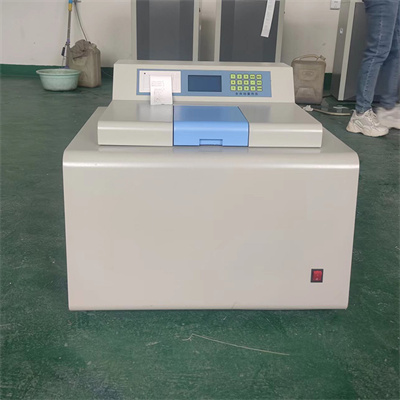 How to read calorimeter data
 What is the design principle of a calorimeter?
 What is the harm of lack of water in the calorimeter?
 What is the input interface of the calorimeter?