Where does the cone calorimeter go to measure?
For enterprises and laboratories that need to conduct material combustion performance testing, the measurement accuracy of the cone calorimeter directly determines the reliability of the test data, so it is crucial to clarify its measurement approach.
Qualified statutory metrology technical institutions are preferred. Such institutions are usually authorized by the market supervision department and have CNAS accreditation qualifications. They can carry out calibration work in strict accordance with the "Calibration Specifications for Cone Calorimeters" (JJF 1399-2023). You can check the list of compliance institutions in your jurisdiction through the official website of the local Market Supervision Administration, or directly consult the industry authoritative metrology center to ensure that the calibration process meets national standards.
The core qualification of the verification institution is the key. When selecting an institution, be sure to confirm that it has the calibration capability range of the cone calorimeter, check whether the qualification certificate covers the instrument project, and require past calibration cases and measurement standard assessment certificates to avoid invalid calibration due to incomplete qualifications.
Clarify the measurement process and complete the calibration efficiently. Before measurement, it is necessary to organize the instrument manual, the last calibration certificate and other materials, and communicate with the institution to determine the calibration items (such as heat flow meter calibration, weighing system calibration, data collection accuracy calibration, etc.); after the calibration is completed, the institution will issue a legally valid calibration certificate. The certificate must contain calibration data, uncertainty and valid period, and the enterprise needs to keep it for future reference.
A third-party professional calibration company is also a reliable choice. If the statutory body is far away or the calibration cycle cannot match the needs, a qualified third-party calibration company can be selected, but it is necessary to check whether it is approved by the National Accreditation Commission, avoid choosing an unqualified institution, and ensure the compliance of instrument calibration.
Overall, cone calorimeter metrology requires priority to choose a fully qualified statutory body or a regular third-party calibration company, and strictly control the qualification verification and process specifications in order to ensure the accurate operation of the instrument and lay a solid foundation for the testing work.
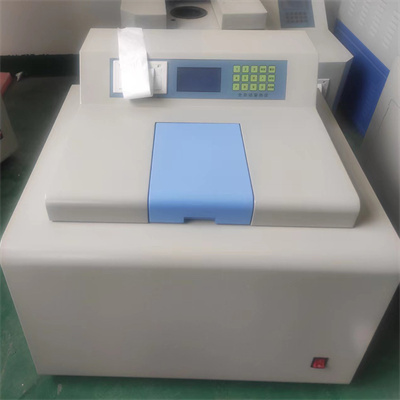
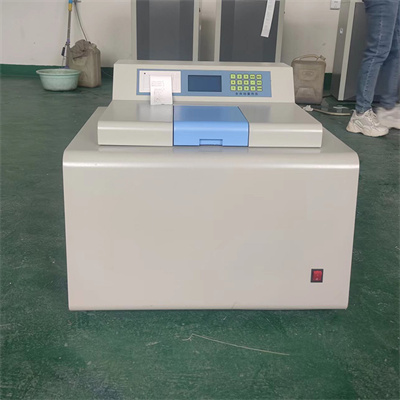 How to read calorimeter data
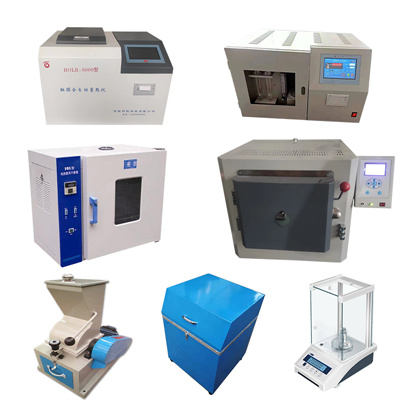 What is the design principle of a calorimeter?
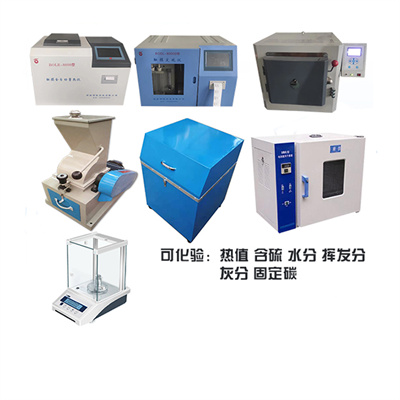 What is the harm of lack of water in the calorimeter?
 What is the input interface of the calorimeter?