Which is the calorimeter drainage pump?
In the operation system of the calorimeter, the calorimeter drainage pump is one of the core components to ensure the accurate and stable operation of the equipment. Although it is small in size, it bears the key tasks of medium transportation and circulation regulation, which has a direct impact on the experimental accuracy and service life of the calorimeter.
First, the core role of the calorimeter drainage pump
The core principle of the calorimeter is to carry out analysis by measuring the heat released by the combustion of substances, and the precise control of temperature and the circulation of the medium are the foundation for the success of the experiment. The core function of the drainage pump is to provide power for the cooling circulation system of the calorimeter, which can accurately transport the cooling water to ensure that the calorimeter can effectively remove the excess heat generated by combustion during the continuous experiment process and maintain the stability of the system temperature. At the same time, it can also discharge the wastewater in the circulation system in time to avoid the accumulation of impurities and blockage of the pipeline, ensure the long-term stable operation of the calorimeter, and lay a solid foundation for the accuracy of the experimental data.
Second, the working principle of the calorimeter drainage pump
Calorimeter drainage pumps usually use centrifugal or volumetric operating principles. Taking the commonly used centrifugal water pump as an example, when the pump is started, the impeller rotates at high speed under the drive of the motor, and the cooling water inside the impeller is thrown to the outer edge of the impeller under the action of centrifugal force, forming a high-pressure water flow, which is transported to the cooling system of the calorimeter through the outlet pipe. At the same time, negative pressure is formed in the central area of the impeller, and the external cooling water is sucked into the pump body under the action of atmospheric pressure, forming a continuous circulation transportation process. The volumetric water pump realizes the suction and discharge of cooling water by changing the periodic change of the volume of the pump chamber. It has the characteristics of stable flow and small pressure fluctuation, and is suitable for calorimeter models with high cycle accuracy requirements.
Third, the maintenance points of the calorimeter drainage pump
In order to ensure the experimental accuracy of the calorimeter, the maintenance of the drainage pump is of paramount importance. In daily use, it is necessary to regularly check the sealing performance of the pump to prevent the leakage of cooling water from causing short circuit or performance degradation of the equipment; regularly clean the filter screen of the water inlet of the pump to avoid impurity blockage affecting the water flow transportation efficiency; at the same time, pay attention to the noise and vibration of the pump during operation. If there is any abnormality, it is necessary to check the motor failure or impeller wear in time. In addition, before the long-term shutdown, the residual cooling water in the pump should be emptied to prevent icing in the low temperature environment from damaging the pump body parts and prolonging the service life of the pump.
Mastering the core knowledge of the calorimeter drainage pump can not only help the operator better control the operation status of the equipment, but also effectively reduce the equipment failure rate, providing a strong guarantee for the smooth development of the calorimeter experiment.
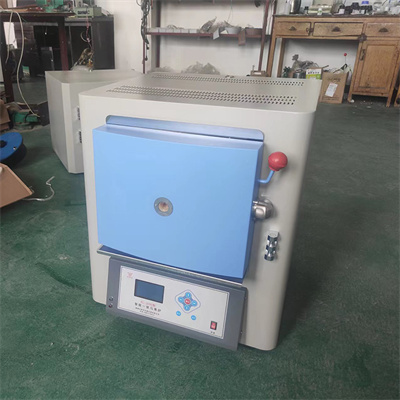
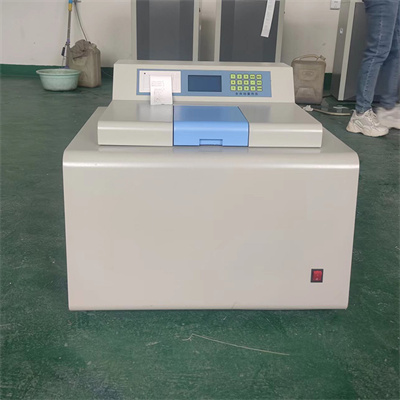 How to read calorimeter data
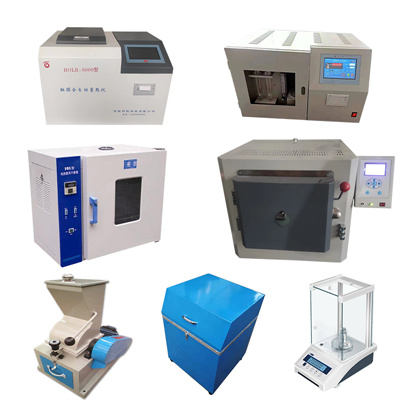 What is the design principle of a calorimeter?
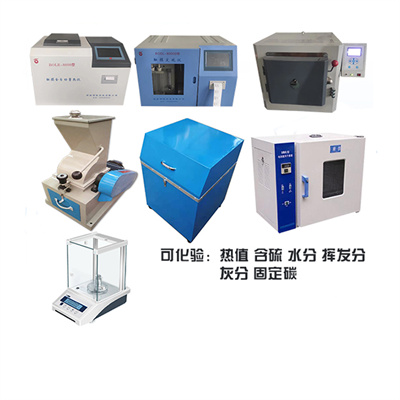 What is the harm of lack of water in the calorimeter?
 What is the input interface of the calorimeter?