Does the coal calorimeter release water?
The Core Function of Coal calorimeter and the Necessity of Water Release
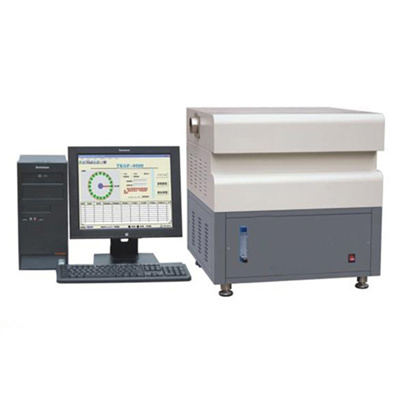
The coal calorimeter is the core instrument for accurately measuring the calorific value of coal, and its operation relies on a stable water environment to build a heat exchange system. From the principle of the instrument, the calorimeter is not a "water storage container" in the conventional sense, but realizes the accurate measurement of coal combustion heat through the circulation of inner tube water and outer tube water. Therefore, "water release" is not a daily routine operation, but a special project operation that needs to strictly follow specific conditions and specifications. Blind water release will directly destroy the thermal balance of the instrument, resulting in distorted detection results.
Regular operating state without water discharge
During the normal operation of the instrument, the water in the inner cylinder and the water in the outer cylinder are in a stable state, and there is no need to discharge water. As the core medium for heat transfer, the water in the inner cylinder needs to be kept in sufficient water volume and the water quality is up to standard. Once it is discharged at will, it will directly lead to the calculation deviation of the heat capacity, which will lose the accuracy of the heat generation detection results. The water in the outer cylinder plays the role of maintaining a constant temperature environment, and the water volume needs to ensure the overall thermal stability of the instrument. During the conventional detection process, as long as the water level is in the normal range, there is no need to intervene, otherwise the constant temperature environment
Key scenarios and operating specifications that require water release
1. Long-term shutdown maintenance: When the instrument needs to be shut down for a long time (more than 1 month), the water discharge operation must be carried out. The inner cylinder water needs to be emptied first to avoid long-term deposition of impurities in the water and corrosion of the inner cylinder. At the same time, the outer cylinder water needs to be emptied to prevent freezing and cracking of the instrument parts in a low temperature environment. After releasing water, the inner cylinder and outer cylinder need to be thoroughly cleaned, and properly stored after drying to ensure that the core components of the instrument are not damaged.
2. Water pollution or impurities exceeding the standard: If the water in the inner cylinder is turbid, precipitated or the detection data fluctuates abnormally, and it is determined that the water is polluted, it needs to be replaced in time. Before replacement, turn off the power supply of the instrument. After the water temperature of the inner cylinder drops to room temperature, slowly open the drainage valve, completely empty the residual water, and then rinse the inner cylinder repeatedly with distilled water 3-5 times to ensure that there are no impurities remaining, and re-inject distilled water that meets the standards. The amount of water should strictly refer to the scale line marked in the instrument manual.
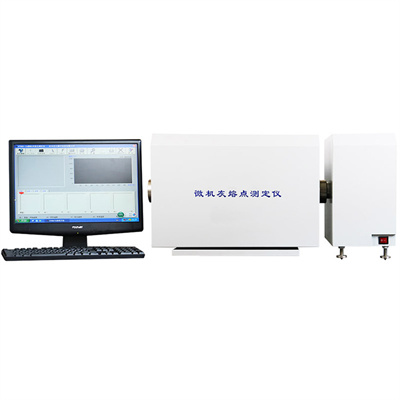
3. Instrument maintenance and calibration: When the instrument needs internal maintenance, component calibration or replacement of core accessories, water must be released in advance. The water discharge operation needs to strictly follow the maintenance process, first cut off the power supply, empty all the water storage in the inner and outer cylinders, to avoid circuit failure caused by water leakage during the maintenance process, and at the same time make enough space for the maintenance operation to ensure the safety and accuracy of the maintenance.
Core precautions for drainage operations
- Be sure to cut off the power supply of the instrument before releasing water, and it is strictly forbidden to operate with electricity to prevent the risk of electric shock.
- During the water discharge process, it is necessary to operate slowly to avoid the water flow from impacting the instrument components too quickly and causing damage.
When refilling water, it is necessary to use distilled water that meets the standards. It is strictly forbidden to use tap water or water containing impurities, and the amount of water must be precisely controlled, not too much or too little.
- Before using the instrument again after draining water, the heat capacity calibration needs to be re-performed to ensure that the instrument detection accuracy meets the standard.
In summary, the coal calorimeter's water discharge operation has strict scene limitations and is by no means a daily routine operation. Only by mastering the correct water discharge timing and standardized process can we ensure the stable operation of the instrument, ensure the accuracy and reliability of the coal calorific value detection results, and provide strong support for the coal quality inspection work.
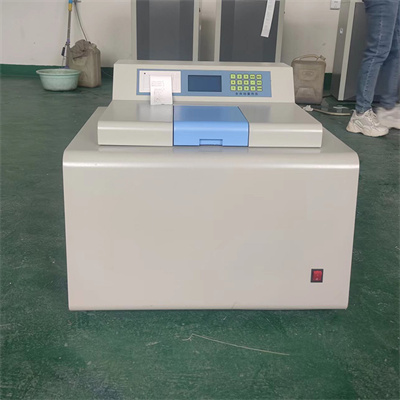 How to read calorimeter data
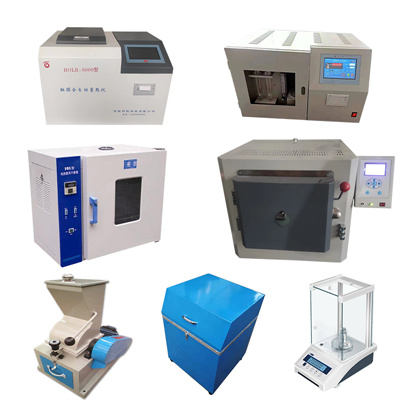 What is the design principle of a calorimeter?
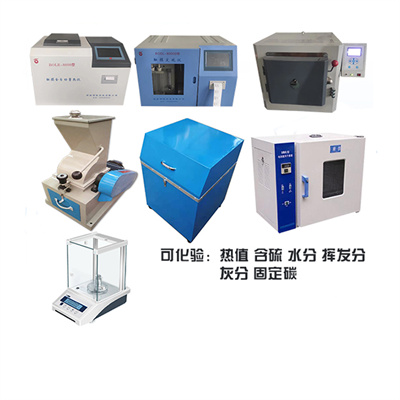 What is the harm of lack of water in the calorimeter?
 What is the input interface of the calorimeter?