How to calibrate a calorimeter
calorimeter calibration is the core link to ensure the accuracy of heat detection data, which directly affects the reliability of experimental results. The following is the standardized calibration process, which is simple and easy to operate to help you quickly master.
Preparatory work before calibration
Before calibration, check the appearance of the calorimeter to confirm that no parts are loose or the circuit is damaged. At the same time, ensure that the instrument is in a horizontal and stable state to avoid affecting the measurement accuracy due to tilt. Prepare benzoic acid calibration (subject to certification by the national metrology department, purity ≥ 99.99%), ignition wire (nickel-chromium alloy material, stable resistance), oxygen (purity ≥ 99.5%, pressure meets the requirements of the instrument), and preheat the calorimeter for 30 minutes in advance to allow the instrument to enter a stable working state.
Second, the core calibration step (benzoic acid calibration method)
1. Accurate weighing of the calibrator: Use one ten-thousandth of an analytical balance to accurately weigh 0.9-1 g of benzoic acid, accurate to 0.0001g, and press the weighed benzoic acid into pieces and put it in a burning dish to avoid sample scattering.
2. Install the ignition device: Take about 10cm of ignition wire and fix it firmly on the electrode at both ends, so that the ignition wire is in slight contact with the benzoic acid sheet to ensure smooth ignition. Note that the ignition wire should not be in contact with the wall of the burning dish to prevent short circuit.
3. Oxygenation and loading: put the burning dish filled with benzoic acid into the oxygen bomb, fill the oxygen bomb with oxygen, the pressure is controlled at 3.0-3 MPa, and the oxygenation time is not less than 15 seconds to ensure sufficient oxygen. Then the oxygen bomb is carefully loaded into the inner cylinder of the calorimeter and connected to the ignition electrode.
4. Start the calibration program: Open the operation interface of the calorimeter, select the "calibration" mode, set the relevant parameters and start the program. The instrument will automatically complete the ignition, temperature collection and calculation, and record the heat capacity value displayed by the instrument after the calibration.
III. Post-calibration calibration and verification
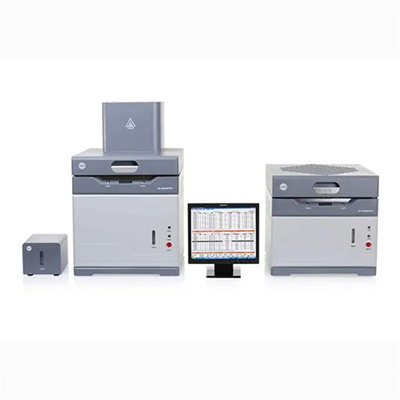
After the calibration is completed, repeatability verification needs to be carried out, and the calibration is carried out three times in a row. If the relative standard deviation of the three heat capacity values is less than or equal to 0.2%, the calibration is qualified; if the deviation exceeds the standard, the purity of the calibration object, the oxygenation pressure, the stability of the instrument, etc. need to be checked, and then re-calibrated after troubleshooting problems. At the same time, regular review with standard benzoic acid ensures that the calorimeter remains accurate for a long time, providing reliable data support for subsequent heat detection.
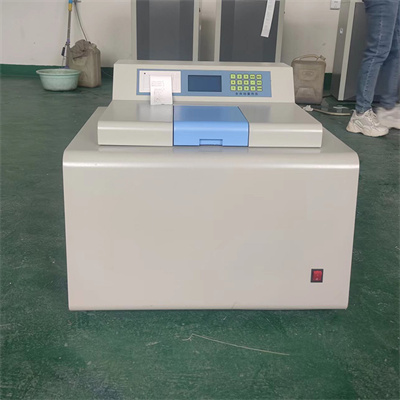 How to read calorimeter data
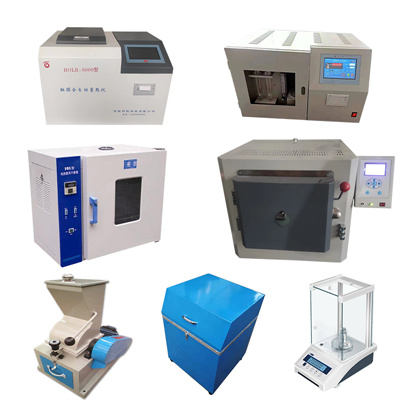 What is the design principle of a calorimeter?
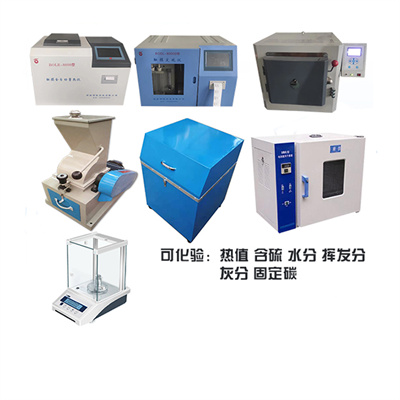 What is the harm of lack of water in the calorimeter?
 What is the input interface of the calorimeter?