How to calibrate a cartridge calorimeter
In the fields of energy detection and coal analysis, the cartridge calorimeter is a key equipment for accurately measuring the calorific value of fuel. In order to ensure the reliability of the test results, it is essential to regularly calibrate the cartridge calorimeter. Below, we will introduce the calibration method of the cartridge calorimeter in detail.
Preparation before calibration
Before calibration, make sure that the cartridge calorimeter is in good condition. Check the appearance of the instrument to see if any parts are damaged or loose, especially the oxygen bomb. Carefully check its sealing to avoid air leakage affecting the calibration results. At the same time, prepare the standard materials required for calibration, such as benzoic acid, whose calorific value is known and stable, and is a commonly used calibration material. Also prepare auxiliary materials such as ignition wire and oxygen to ensure that the purity of oxygen meets the requirements. Generally, oxygen with a purity of not less than 99.5% should be used.
Calibration key steps
1. Installation and weighing: Press an appropriate amount of benzoic acid into a sheet, accurately weigh a certain mass (usually between 0.9 and 1.1g), and record the mass value. Fix the benzoic acid sheet on the ignition wire in the oxygen bomb to ensure that the ignition wire is in good contact with the benzoic acid sheet, and then load the oxygen bomb into the main body of the cartridge calorimeter.
2. Oxygenation and ignition: Fill the oxygen bomb with oxygen, so that the pressure in the oxygen bomb reaches the specified range, generally 2.8-3.0MPa, and the oxygenation time is not less than 15 seconds. After the oxygenation is completed, put the oxygen bomb into the inner barrel of the calorimeter, connect the ignition electrode, and start the instrument for ignition.
3. Data collection and calculation: After the instrument is ignited, the temperature data will be automatically collected until the temperature stabilizes. According to the collected temperature change data, combined with the known calorific value of benzoic acid, the actual heat capacity of the instrument is calculated through the built-in calculation formula of the instrument. If the calculated heat capacity deviates from the nominal heat capacity of the instrument beyond the allowable range, the instrument needs to be adjusted.
Post-calibration verification and maintenance
After the calibration is completed, it is necessary to use the reference material again for verification. Repeat the above calibration steps. If the verification results meet the requirements, the calibration is successful. In daily use, the cartridge calorimeter should be regularly maintained to keep the instrument clean. Regularly check the tightness of the oxygen bomb and the contact of the electrodes to ensure that the instrument is always in good working condition.
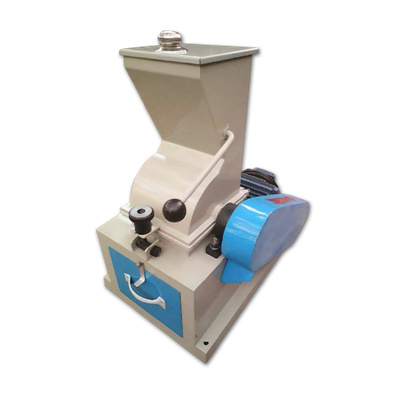
Mastering the calibration method of the cartridge calorimeter can not only ensure the accuracy of the test results, but also prolong the service life of the instrument. By strictly following the above steps, the calibration of the cartridge calorimeter can be easily completed.
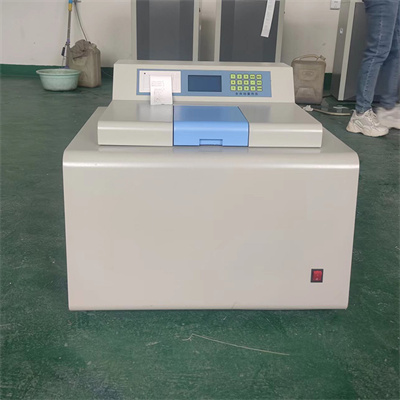 How to read calorimeter data
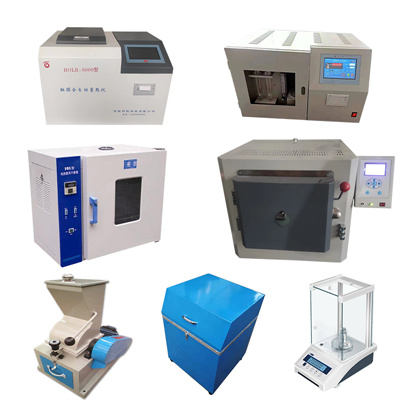 What is the design principle of a calorimeter?
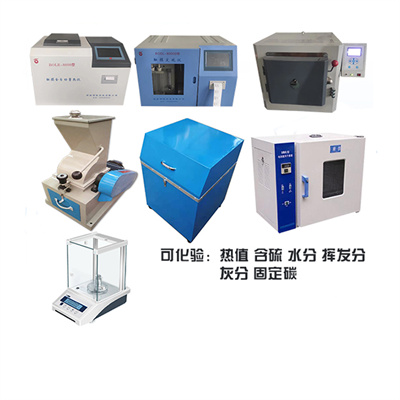 What is the harm of lack of water in the calorimeter?
 What is the input interface of the calorimeter?