How to determine whether the calorimeter is level
When using a calorimeter in a laboratory, its horizontal state plays a key role in the accuracy of the experimental results. Once the calorimeter is not placed horizontally, it may lead to abnormal heat transfer and affect the measurement data. So, how to determine whether the calorimeter is horizontal? Here are some simple and practical methods for you.
Determined by horizontal bubbles
The calorimeter is usually equipped with a horizontal bubble device, which is the most direct way to determine the horizontal state. Observe the horizontal bubbles on the base of the instrument. When the bubbles are located in the center, it indicates that the calorimeter is in a horizontal state. If the bubbles are biased to one side, it means that the instrument is tilted. You need to adjust the adjustment foot at the bottom of the instrument until the bubbles return to the center. During the adjustment process, the action should be gentle to avoid excessive force damaging the instrument parts.
Use a high-precision level to assist
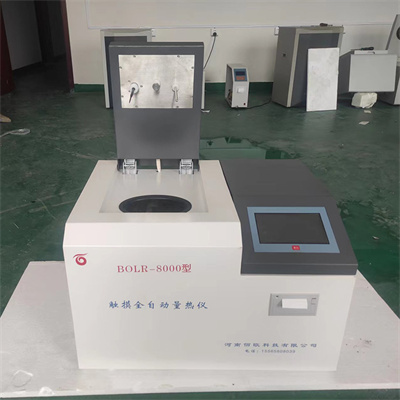
If the calorimeter is not equipped with a horizontal bubble device, it can be judged with the help of a high-precision level. Place the level smoothly on the work surface or key support part of the calorimeter and observe the reading of the level. When the level shows horizontal status, indicate the level of the calorimeter; if it shows tilt, the instrument needs to be adjusted. When using the level, make sure that it is placed accurately and that the level itself is calibrated to ensure reliable measurement results.
Check the stability of the instrument to assist in judgment
A calorimeter with poor horizontal state is prone to shaking during operation, which affects the measurement stability. When judging the level, you can gently push the instrument to observe whether it is stable. If the instrument is easy to shake and it is difficult to quickly return to stability after shaking, in addition to checking whether the installation foundation is firm, you also need to consider the level state. A stable instrument operating environment is an important guarantee for accurate measurement, and the level state is the basis for stability.
Multiple measurements ensure accuracy
In order to ensure the accuracy of the judgment results, it is recommended to perform multiple measurements. Detect the level status of the calorimeter at different positions and angles, and synthesize multiple result judgments. Especially after the instrument is moved or reinstalled, a comprehensive level judgment is required. Multiple measurements can effectively avoid misjudgments caused by single measurement errors and ensure that the calorimeter is always in the best level.
Mastering the method of judging the level of the calorimeter is an important prerequisite for ensuring the accuracy of the experimental data. Through the above method, a few simple steps can quickly determine whether the level of the calorimeter is level, laying the foundation for the smooth development of the experiment. In practice, it is necessary to develop the habit of regularly checking the level of the instrument to ensure that the calorimeter is always in the best working condition.
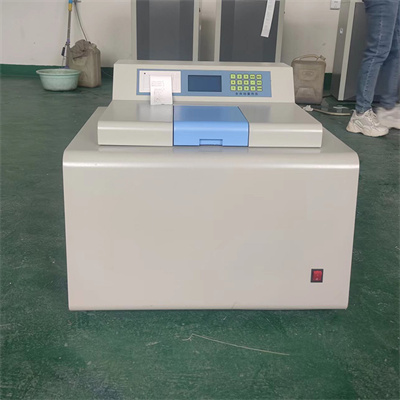 How to read calorimeter data
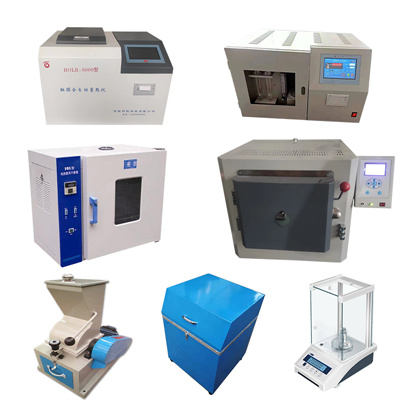 What is the design principle of a calorimeter?
 What is the harm of lack of water in the calorimeter?
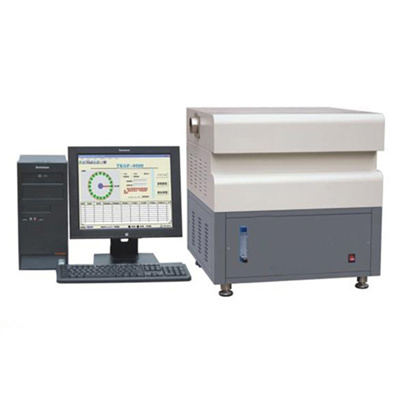 What is the input interface of the calorimeter?