What is the detection period of the calorimeter?
Core Definition and Significance of Detection Period of calorimeter
As a core instrument for accurately measuring the heat of substances, the detection period of a calorimeter is directly related to the accuracy and reliability of the test results. The detection period is not arbitrarily set, but is determined based on the comprehensive determination of instrument performance, frequency of use, environmental conditions and industry standards. The core purpose is to ensure that the instrument is always in a stable operating state through regular calibration, maintenance and testing, to avoid distortion of test results due to instrument deviation, and to provide accurate data support for scientific research and production.
Key Factors Affecting the Detection Cycle of Calorimeter
1. Frequency and intensity of use: A calorimeter used at high frequencies requires faster component wear and tear, and the inspection period needs to be shortened accordingly. For example, a laboratory calorimeter that runs continuously for more than 8 hours a day usually has a detection period of 1-2 months shorter than an instrument that is only used 2-3 times a week.
2. Environmental conditions for use: If the calorimeter is exposed to high temperature, high humidity, dust or high vibration for a long time, it will accelerate the aging of the instrument components and affect the accuracy of the sensor. At this time, the detection cycle needs to be shortened to cope with the performance degradation caused by the environment.
3. Industry and standard requirements: Different industries have different requirements for the accuracy of calorimeters, and the detection cycle needs to strictly follow the corresponding standards. Industries with extremely high requirements for heat detection accuracy, such as electric power and chemical industry, need to perform more frequent inspections according to the national standard regulations; while ordinary scientific research scenarios can refer to general instrument detection specifications to adjust the cycle.
Specific specifications for the detection cycle of a calorimeter
1. Calibration cycle: the key to ensuring accuracy
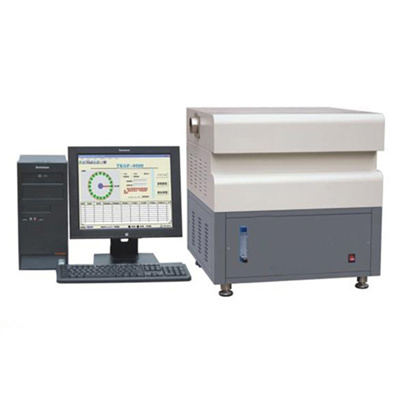
Calibration is the core of calorimeter testing and needs to be performed by a qualified metrology agency. According to the "Metrological Verification Regulations of the People's Republic of China", the calibration cycle of a conventional calorimeter is 12 months, that is, at least once a year. If the instrument is used frequently, the environment is harsh or the test results are abnormal, the calibration cycle needs to be shortened to 6 months to ensure that the thermal measurement error of the calorimeter is controlled within the standard range.
2. Maintenance cycle: ensure stable operation of the instrument
Routine maintenance is the key to prolong the life of the calorimeter and ensure the stability of the inspection cycle. It is recommended to perform basic maintenance once a month, including cleaning the dust inside and outside the instrument, checking the wiring connection, and fastening loose parts; perform in-depth maintenance once every 3 months, such as checking the sensitivity of the sensor, calibrating the temperature control system, and replacing the aging seals. Through regular maintenance, instrument failures can be reduced and the inspection cycle can be disrupted due to sudden failures.
3. Daily detection frequency: real-time control of instrument status
In addition to regular calibration and maintenance, daily self-testing is required during daily use. Before each boot, check the zero point and baseline stability of the instrument, and use standard materials for simple verification to ensure that the instrument is in normal working condition. If the deviation of the test results is found to exceed the allowable range, you need to stop using it immediately, contact a professional for testing and calibration, and do not continue to use abnormal instruments.
Practical Suggestions for Reasonable Control of Detection Cycle
Enterprises and laboratories need to establish a calorimeter test file, record the time and results of each calibration, maintenance, and test in detail, and dynamically adjust the cycle according to the use of the instrument. At the same time, special personnel need to be arranged to be responsible for instrument management, and strictly implement the test cycle specifications to avoid the distortion of test data due to improper cycle control and affect the quality of work. Mastering the scientific test cycle is a key prerequisite for ensuring the accurate operation of the calorimeter and improving the detection efficiency.
 How to read calorimeter data
 What is the design principle of a calorimeter?
 What is the harm of lack of water in the calorimeter?
What is the input interface of the calorimeter?
What is the harm of lack of water in the calorimeter?
What is the input interface of the calorimeter?