How to write the training content of calorimeter
First, the training foundation: principle first
The first task of conducting training on calorimeters is to clarify their working principles. Calorimeters are based on thermodynamic principles and obtain key data by accurately measuring the heat change of a substance in a specific reaction. During training, it is necessary to explain core concepts such as heat transfer and reaction heat calculation in plain language, and combine diagrams to make abstract principles concrete, so as to lay a solid theoretical foundation for subsequent practical operation.
Second, the operation process: step by step disassembly
Operation training is the core link, and the operation process of the calorimeter should be disassembled and refined. From boot preheating, sample accurate weighing, to reagent addition, instrument parameter setting, to start measurement and data reading, each step must be demonstrated in detail. Emphasize key details, such as sample weighing accuracy needs to meet specified standards, and the order of reagent addition cannot be reversed. At the same time, set up practical practice sessions, so that students can familiarize themselves with the process in the hands-on process and correct wrong operations in time.
III. Data processing: precise specification
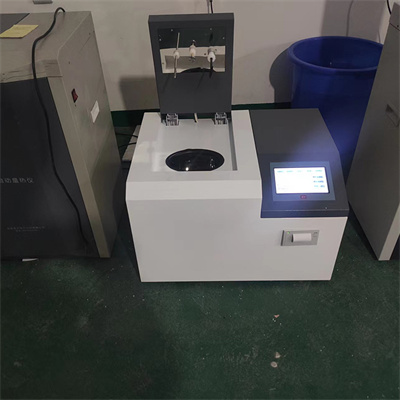
The data measured by the calorimeter needs to be standardized. The training should cover data recording, error analysis, result calculation, etc. Teach students how to accurately record the original data source, use scientific methods to analyze the source of error, such as instrument calibration deviation, ambient temperature fluctuations, etc. Also teach the formula and skills of result calculation to ensure that students can independently complete data processing and draw reliable conclusions.
IV. Maintenance: Long-term guarantee
Instrument maintenance is related to the service life and measurement accuracy of the calorimeter. The training should introduce the daily cleaning points, such as wiping the instrument shell and cleaning the sample compartment; explain the regular calibration method, and clarify the calibration cycle and standards. At the same time, teach common troubleshooting and solution skills, such as the handling of problems such as instrument failure to start, abnormal measurement data, etc., so that students have the ability to ensure the stable operation of the instrument.
V. Security Matters: A Top Priority
Safety is a non-negligible part of training. Emphasize safety norms during the use of the calorimeter, such as wearing protective gloves and goggles during operation to avoid contact with corrosive reagents; during the operation of the instrument, it is strictly forbidden to touch key components at will. Develop emergency response plans and train trainees in response to sudden fires, reagent leaks, etc., to ensure the safety of the whole training and operation.
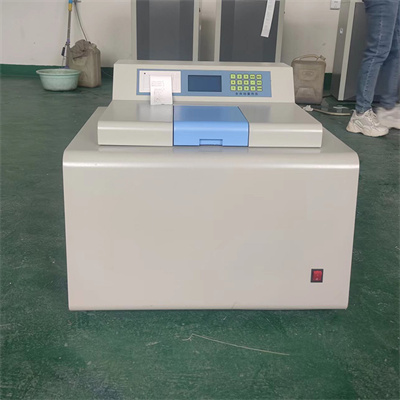 How to read calorimeter data
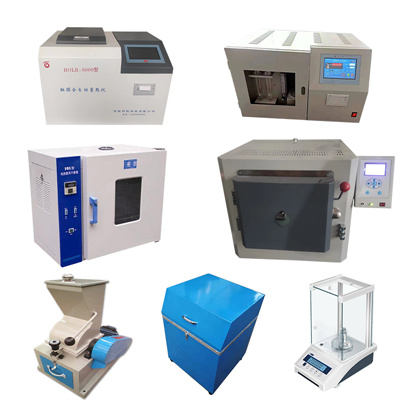 What is the design principle of a calorimeter?
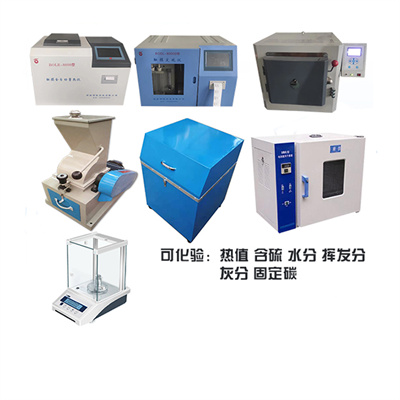 What is the harm of lack of water in the calorimeter?
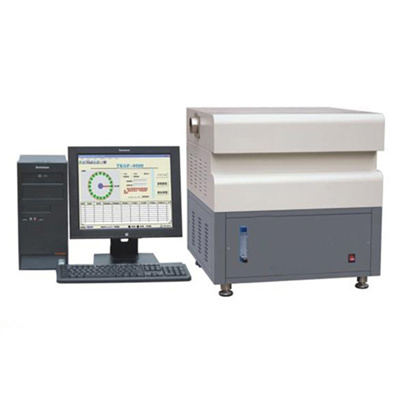 What is the input interface of the calorimeter?