How does the calorimeter calculate the successful ignition?
The successful ignition of the calorimeter depends on the temperature change and system feedback. In the calorimeter experiment, the successful ignition is the premise to ensure the accuracy of the test data. The judgment logic is clear, and the operator can quickly confirm it by grasping the key points.
First, the core judgment basis for successful ignition
The core sign of the successful ignition of the calorimeter is that the water temperature of the inner cylinder rises significantly and continuously after ignition. After the ignition device is triggered, the ignition wire will release heat to ignite the sample, and the heat released by the combustion of the sample is transferred to the water of the inner cylinder, resulting in an increase in water temperature. When it is observed that the water temperature of the inner cylinder has a stable upward trend in a short period of time after ignition, and the temperature change meets the ignition temperature threshold preset by the equipment, the ignition success can be preliminarily determined.
Second, the auxiliary judgment of instrument system feedback
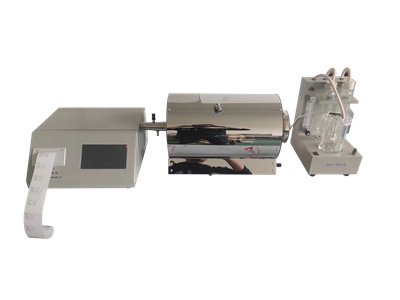
Modern calorimeters are mostly equipped with intelligent monitoring systems. After successful ignition, the instrument interface will display the successful ignition status prompt synchronously, and the relevant parameter curve will show an obvious energy release peak. If the ignition fails, the system will usually issue an alarm prompt or display the failed ignition status. The operator can directly judge the ignition result through the real-time feedback of the instrument, without relying only on the change of water temperature.
III. Key operating points for successful ignition
1. Make sure that the ignition wire is in good contact with the sample before ignition to avoid ignition failure due to poor contact;
2. Set the ignition parameters in strict accordance with the instrument operating specifications to ensure sufficient ignition energy.
3. Pay close attention to the real-time data and feedback information of the instrument interface after ignition, and record the temperature change curve in a timely manner.
IV. Investigation ideas for ignition failure
If it is determined that the ignition fails, priority should be given to checking whether the ignition wire is broken, whether the sample is damp, and whether the ignition voltage is stable. After troubleshooting, the ignition operation should be resumed to ensure the smooth progress of the experiment.
Mastering the method of determining the successful ignition of a calorimeter can not only improve the experimental efficiency, but also ensure the accuracy of the test data, and lay a solid foundation for subsequent heat calculation.
 How to read calorimeter data
 What is the design principle of a calorimeter?
 What is the harm of lack of water in the calorimeter?
 What is the input interface of the calorimeter?