How to add water to the outer bucket of the calorimeter
When using a calorimeter to carry out experiments, the process of adding water to the outer barrel is very important, which directly affects the accuracy of the experimental results. Below, we will introduce the method of adding water to the outer barrel of the calorimeter in detail.
Prepare before adding water
Before adding water to the outer barrel of the calorimeter, be sure to cut off the power supply of the instrument to avoid the risk of electric shock. At the same time, prepare a clean water source. It is recommended to use distilled or deionized water to prevent impurities from affecting the performance of the instrument. In addition, check the water inlet and water level logo of the outer barrel to ensure a clear understanding of the location of water addition.
Specific steps for adding water
1. Find the water filling port: The water filling port of the outer barrel of the calorimeter is usually located above or on the side of the barrel body and is clearly marked. After finding the water filling port, gently open the lid.
2. Add water slowly: Slowly pour the prepared water into the water filling port. The water addition speed should not be too fast to prevent water from overflowing or generating bubbles. You can use the funnel to make the water flow more smoothly into the outer barrel.
3. Observe the water level: During the water addition process, always pay attention to the water level scale on the outer barrel. Generally speaking, the water level of the outer barrel needs to be kept within the range specified by the scale line, neither too high to cause overflow, nor too low to affect the experimental effect. When the water level reaches the appropriate scale, stop adding water immediately.
Check after adding water
After adding water, carefully check whether there is any water leakage around the outer barrel. If there is any water leakage, the cause should be checked in time. It may be that the lid of the water filling port is not tightened or the sealing parts are damaged, and corresponding treatment should be carried out. At the same time, confirm that the water level is stable and there is no fluctuation or drop to ensure that the water volume is stable during the experiment.
Precautions
Water quality requirements: Strictly control the water quality and avoid the use of tap water containing impurities and minerals to avoid the formation of scale inside the instrument, which will affect the service life and measurement accuracy of the instrument.
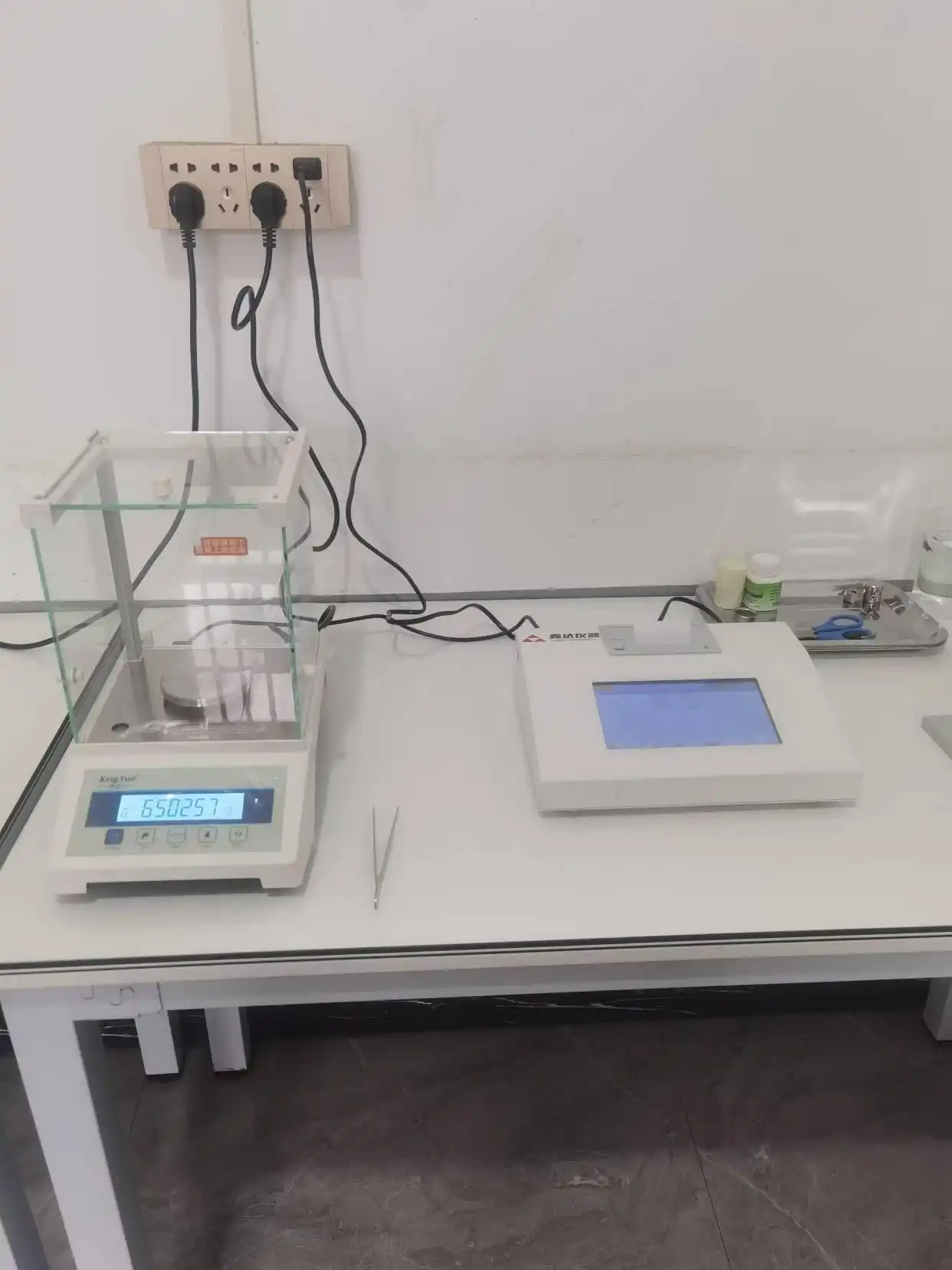
- Regular maintenance: Regularly clean the outer barrel to remove dirt and sediment that may have accumulated, and ensure that the water filling system is unobstructed.
- Safe operation: During the entire water addition process, always keep in mind safety first, avoid operating in a power-on state, and prevent accidents.
Mastering the correct method of adding water to the outer barrel of the calorimeter can not only ensure the smooth progress of the experiment, but also prolong the service life of the instrument. I hope the above content can help you complete the water addition operation smoothly and provide strong support for the experimental work.
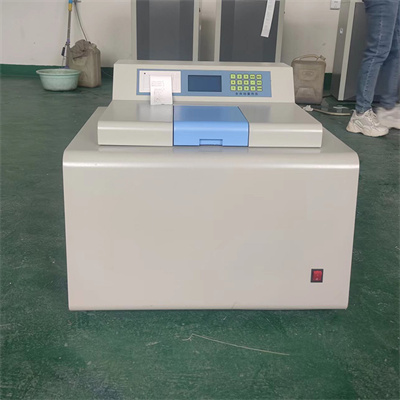 How to read calorimeter data
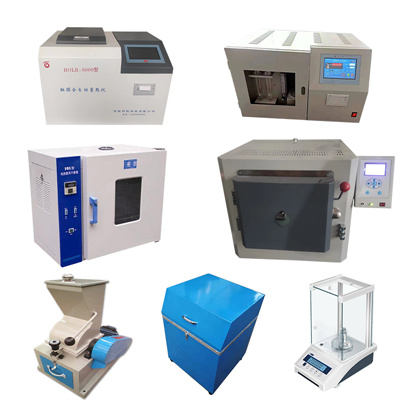 What is the design principle of a calorimeter?
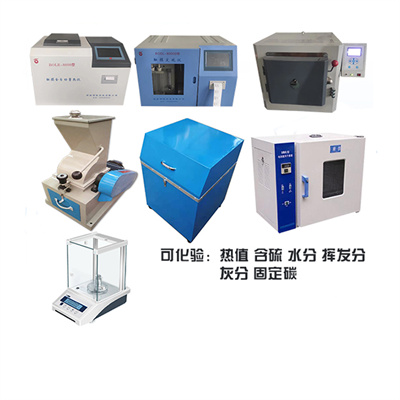 What is the harm of lack of water in the calorimeter?
 What is the input interface of the calorimeter?