The reason why the calorimeter does not work
In the laboratory testing work, the calorimeter is the key equipment for accurately measuring the heat of substances. Once the calorimeter does not work, it will seriously affect the experimental progress and accuracy of the results. The following is a detailed analysis of the common reasons why the calorimeter does not work and the corresponding solutions.
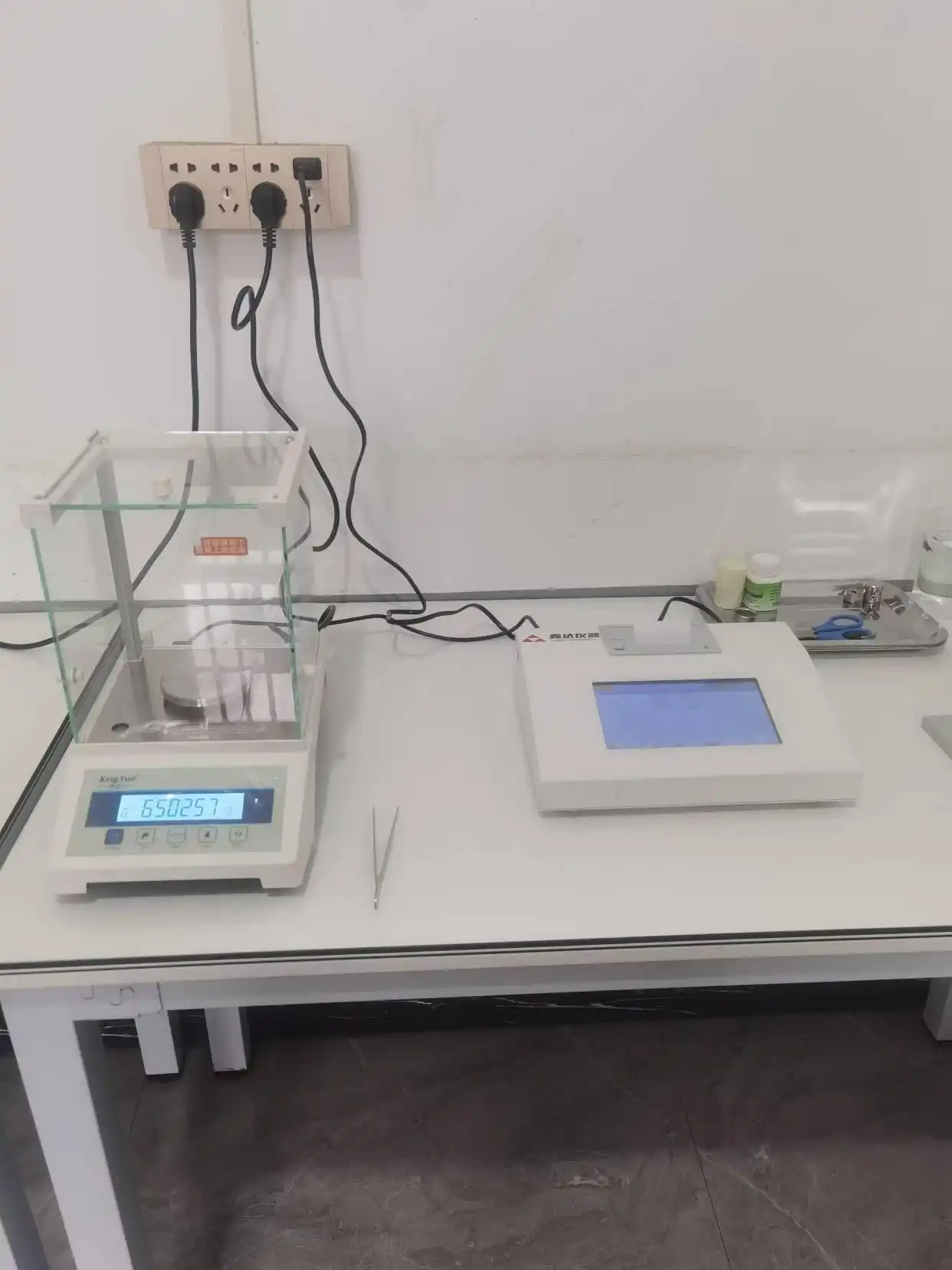
Power and wiring issues
Unstable power supply or loose line connection are common factors that cause the calorimeter to fail to start. When the calorimeter has no response after turning on the power supply, first check whether the power socket is powered normally, and try to replace other sockets for verification. At the same time, carefully check the power cord behind the instrument to confirm whether the plug is plugged in tightly and whether the line is damaged or broken. If a line problem is found, a new power cord needs to be replaced in time to ensure stable power transmission.
Sensor failure
The sensor is the core component of the calorimeter to sense temperature changes. If the sensor fails, the instrument cannot accurately obtain data and thus cannot work normally. The sensor failure may be caused by aging after long-term use, or it may be damaged by external interference. When it is found that the calorimeter shows abnormal data or no data, the sensor should be inspected. If the sensor is aging, you need to contact a professional to replace the same type of sensor; if there is a interference problem, check whether there are strong electromagnetic fields and other interference sources around, and take shielding measures.
software system abnormality
The software system of the calorimeter is responsible for data processing and instrument control. Software errors, program crashes or incompatible versions will cause the instrument to fail to operate normally. In this case, you can try to restart the instrument first to see if it can return to normal. If the restart fails, you need to check whether the software version is the latest. If not, perform a software upgrade in time. If the problem persists after the upgrade, it may be that the software program has a serious failure. At this time, you need to contact the manufacturer's technical support to obtain a professional software repair plan.
Cooling system failure
The calorimeter will generate heat during the working process. The failure of the cooling system will cause the internal temperature of the instrument to be too high, triggering the overheating protection mechanism and making the instrument stop working. Dust accumulation, blockage or damage of the cooling fan is the main cause of the failure of the cooling system. Regularly cleaning the dust on the cooling fan to ensure the smooth operation of the fan is the key to preventing the cooling failure. If the fan is damaged, it is necessary to replace the new fan in time to ensure the normal cooling of the instrument and maintain stable operation.
Understanding the common reasons why the calorimeter does not work and mastering the corresponding solutions can help you quickly respond to instrument failures and ensure the smooth development of the experimental work. In daily use, good maintenance of the instrument and regular inspection of key components can effectively reduce the probability of failure and prolong the service life of the instrument.
 How to read calorimeter data
 What is the design principle of a calorimeter?
 What is the harm of lack of water in the calorimeter?
 What is the input interface of the calorimeter?