How to change the water for the Sande calorimeter?
In the process of using the Sande calorimeter, regular water change is a key operation to ensure the accurate operation of the instrument. The following introduces the water change steps in detail for you, which are simple and easy to understand at a glance.
Preparation before changing the water
First, make sure the instrument is turned off, cut off the power, and avoid the risk of electric shock. Prepare clean distilled or deionized water, as well as clean wipes and containers. At the same time, read the instrument manual to clarify the specific location and structure of the water tank to know.
Specific water change steps
1. Open the water tank cover: Find the water tank of the Sande calorimeter and gently open the water tank cover. Note that some water tank covers may have a buckle design and need to be unlocked in the correct way to avoid damage to the parts.
2. Drain the old water: slowly pour out the old water in the water tank and pour it into the prepared container. If the water tank has a drain valve, you can directly open the valve to drain, and close the valve after draining.
3. Clean the water tank: Wipe the inside of the water tank with a clean wipe cloth to remove residual scale and impurities. For stubborn stains, a small amount of special cleaner can be used, but make sure to rinse it clean to avoid residues affecting the water quality.
4. Inject new water: Slowly inject the prepared distilled water or deionized water into the water tank, pay attention to the water level scale, and inject an appropriate amount of water according to the instructions, not too much or too little, otherwise it will affect the measurement accuracy of the instrument.
5. Check the seal: Cover the water tank cover to ensure that the lid is well sealed and there is no water leakage. If there is a sealing gasket, check whether it is in good condition and replace it in time if it is damaged.
Precautions after changing the water
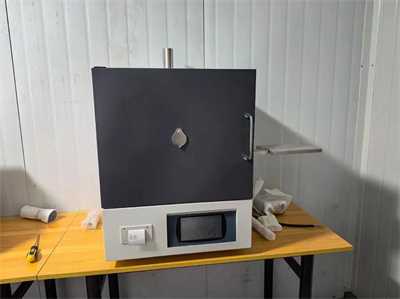
After the water change is completed, check the appearance of the instrument again to confirm that there is no water leakage. Then turn on the power supply, turn on the instrument, and conduct a simple test to observe whether the instrument is running normally. At the same time, make a record of the water change to facilitate subsequent maintenance and management.
Mastering the water change method of Sande calorimeter can not only prolong the service life of the instrument, but also ensure the accuracy of the measurement results. Follow the above steps to easily complete the water change work and keep the instrument in the best condition.
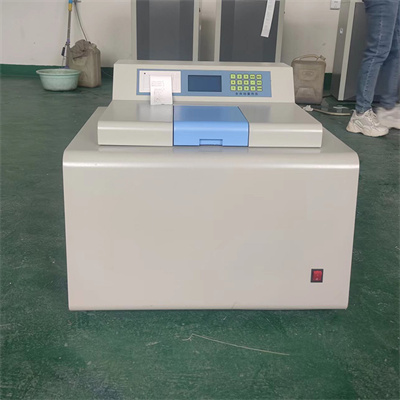 How to read calorimeter data
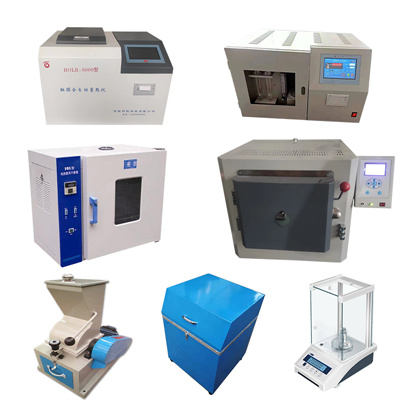 What is the design principle of a calorimeter?
 What is the harm of lack of water in the calorimeter?
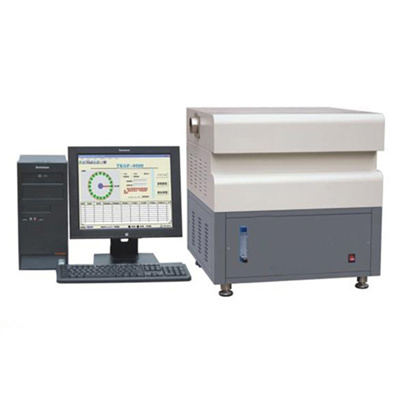 What is the input interface of the calorimeter?