How to use the calorimeter oxygenator catheter?
When using a calorimeter to carry out related testing work, the correct use of the oxygenator catheter is crucial, which is directly related to the accuracy of the test results. The following is a detailed introduction to the use of the calorimeter oxygenator catheter.
Conduit connection step
First of all, make sure that the calorimeter and the oxygenator are closed to ensure safe operation. Find the air outlet interface of the oxygenator, insert one end of the catheter tightly into the interface, and pay attention to the strength when plugging to ensure that the connection is firm and avoid air leakage. Next, align the other end of the catheter with the oxygenation inlet of the calorimeter, and make precise docking according to the interface design. Usually there will be a buckle or thread structure to assist in fixing. Be sure to confirm the connection in place during operation to prevent loosening.
Check before use
After the connection is completed, check for air leakage. Turn on the switch of the oxygenator, adjust it to a low pressure state, and gently touch each connection part of the catheter with your hand to feel whether there is air leakage. If there is air leakage, you need to re-tighten the connection part until there is no air leakage. At the same time, check whether the catheter is bent or damaged. Once the catheter is found to be damaged, it should be replaced in time to avoid affecting the oxygenation effect.
Oxygenation operation process
After confirming that the connection is correct, turn on the calorimeter and enter the oxygenation procedure according to the instrument operating specifications. Slowly adjust the pressure adjustment knob of the oxygenator to control the pressure within the specified range to avoid damage to the instrument due to excessive pressure. During the oxygenation process, observe the oxygenation indicator light of the calorimeter. After the indicator light shows that the oxygenation is complete, turn off the oxygenator first, then turn off the oxygenation switch of the calorimeter, and finally disconnect the catheter connection.
post-use maintenance
After use, carefully remove the catheter from the instrument interface and wipe the surface of the catheter with a clean soft cloth to remove dust and impurities. Store the catheter properly to avoid direct sunlight and extrusion, prolong the service life of the catheter, and prepare it for the next use.
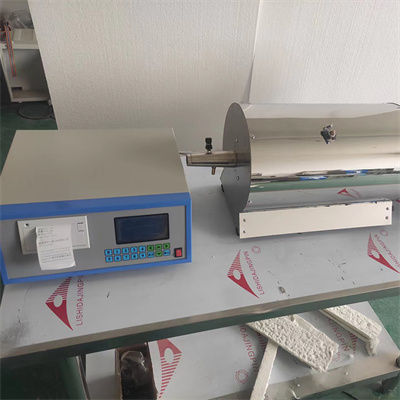
Mastering the use of the above calorimeter oxygenator catheter can effectively ensure the stable operation of the calorimeter and make the detection work more efficient and accurate.
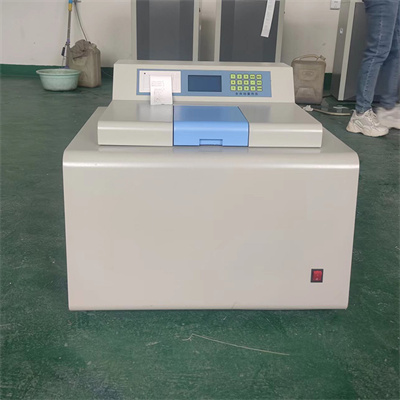 How to read calorimeter data
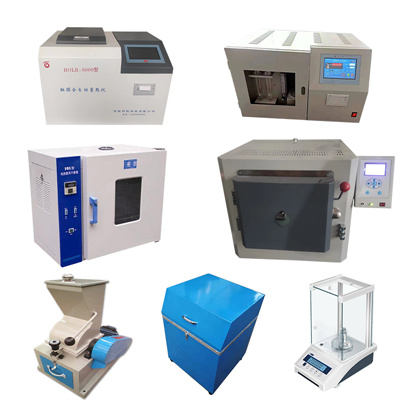 What is the design principle of a calorimeter?
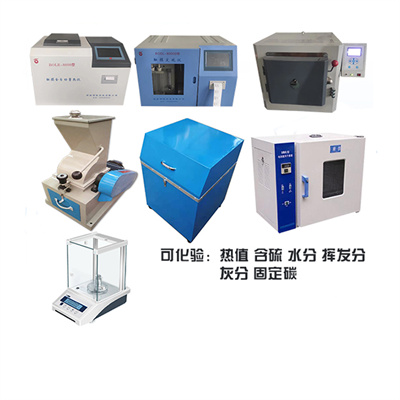 What is the harm of lack of water in the calorimeter?
 What is the input interface of the calorimeter?