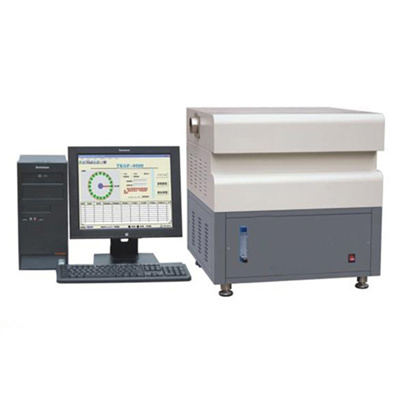
Which is the best brick factory calorimeter?
For a brick factory, a calorimeter is the core equipment for controlling the calorific value of raw materials and ensuring product quality. Choosing the right manufacturer is directly related to production efficiency. Many practitioners often ask: Which is the best calorimeter for a brick factory? In fact, the judgment criteria are clear and clear. Master the following points to easily lock in high-quality partners.
Core 1: Look at the accuracy and stability of the equipment
The production of a brick factory requires extremely high accuracy in calorific value detection, and errors exceeding the standard will directly lead to an imbalance in the ratio. The calorimeter of a high-quality manufacturer needs to be stably controlled within ± 0.1% of the measurement accuracy, and can adapt to the working conditions of a brick factory with a lot of dust and a complex environment, and has no fluctuations in long-term operation. It is recommended to give priority to manufacturers that use imported sensors and core components for independent research and development. This type of equipment has strong anti-interference ability and more reliable detection data.
Core 2: Look at the customization ability of the brick factory
General-purpose calorimeters are difficult to meet the special needs of brick factories. High-quality manufacturers will customize testing programs according to the characteristics of raw materials in brick factories (such as coal gangue, fly ash, etc.). For example, optimize combustion procedures for high-ash raw materials to ensure that samples are fully burned and avoid detection deviations. At the same time, equipment operation needs to be in line with the usage habits of front-line employees in brick factories. The interface is simple and the process is simplified. You can get started without professional training.
Core 3: Look at the after-sales guarantee system
Calorimeters are precision instruments, and long-term use will inevitably lead to calibration and maintenance problems. Reliable manufacturers will provide perfect after-sales support, including nationwide on-site calibration services, 24-hour technical response, and long-term quality assurance of core components. Some high-quality manufacturers will also provide regular equipment maintenance training to help brick factories establish independent testing capabilities and reduce follow-up operation and maintenance costs.
Core 4: Look at industry reputation and case accumulation
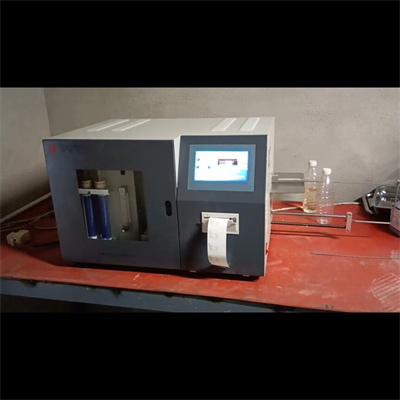
When selecting a calorimeter manufacturer, industry reputation is an important reference. Priority is given to visiting manufacturers who have been deeply cultivated in the field of brick factories for many years and have a large number of successful cases. Such manufacturers have a better understanding of the production pain points of brick factories and the equipment design is more suitable for actual needs. You can take the initiative to contact the manufacturer to provide cooperation cases, inspect the operation effect of the equipment on the spot, or consult the feedback of peers to avoid stepping on the pit.
In summary, to determine which calorimeter is good in a brick factory, it is necessary to comprehensively consider the four dimensions of accuracy and stability, customization ability, after-sales guarantee, and industry reputation. It is recommended to combine its own production scale and raw material type, fully communicate with the manufacturer's needs, and give priority to professional manufacturers that can provide full-process solutions, so that the calorimeter can truly become a right-hand assistant for the quality and efficiency of the brick factory.
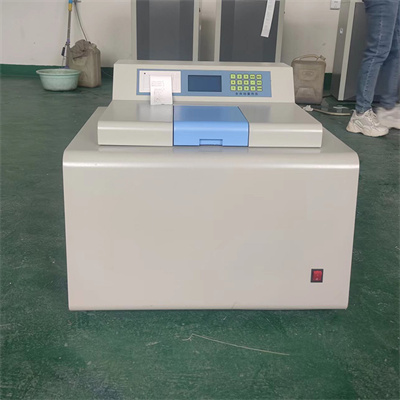 How to read calorimeter data
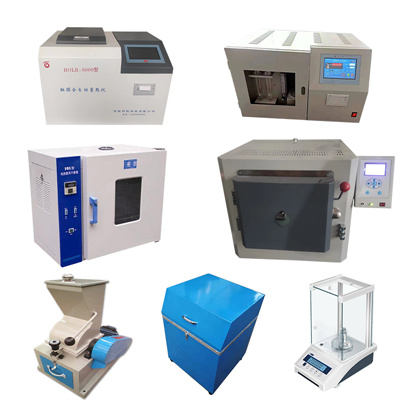 What is the design principle of a calorimeter?
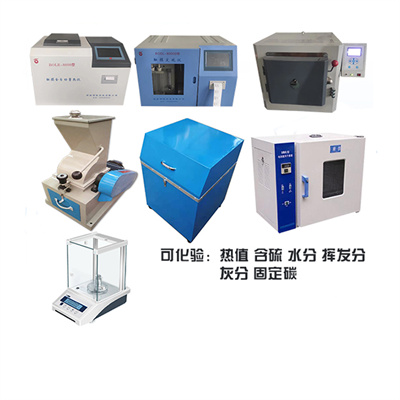 What is the harm of lack of water in the calorimeter?
 What is the input interface of the calorimeter?