How to control the room temperature of a calorimeter
The importance of room temperature control for calorimeters
As the core equipment for accurately detecting heat, the accuracy of the detection results of the calorimeter is closely related to the room temperature environment. If the room temperature fluctuates too much, it will directly affect the internal heat transfer and balance of the calorimeter, resulting in deviations in the measurement data and unable to provide a reliable basis for scientific research and production. Therefore, strictly controlling the room temperature of the calorimeter is a key prerequisite for ensuring the detection accuracy.
Standard range of room temperature for calorimeters
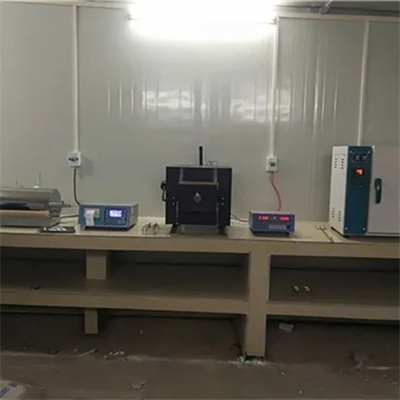
Generally speaking, the suitable room temperature range of a calorimeter is between 15 ° C and 30 ° C, and the temperature fluctuation needs to be controlled within ± 1 ° C. This standard is set based on the working principle of the calorimeter. In this temperature range, the internal components of the equipment can operate stably, and the heat transfer process is not disturbed by external temperature, ensuring the consistency and repeatability of the test results.
Specific methods of room temperature control
Installation environment optimization: Place the calorimeter away from heat sources (such as heating, direct sunlight) and cold sources (such as air conditioning out of trend) to avoid sudden local temperature changes. At the same time, ensure that the laboratory is well ventilated to prevent equipment from causing abnormal heat dissipation due to poor ventilation and causing temperature fluctuations.
Equipped with constant temperature equipment: If the laboratory room temperature is difficult to stabilize and meet the standard, it can be equipped with air conditioners, incubators and other equipment to assist in temperature control. The air conditioner can adjust the overall room temperature, and the incubator can create a stable local temperature environment for the calorimeter, which can effectively reduce temperature fluctuations.
Real-time monitoring and adjustment: During the operation of the calorimeter, a high-precision thermometer is required to monitor the room temperature in real time. Once the temperature is found to be outside the standard range, it is timely adjusted by adjusting the temperature of the air conditioner and turning on the constant temperature equipment to ensure that the room temperature is always under control.
Routine maintenance of room temperature control
Regularly check the running status of the constant temperature equipment to ensure its stable performance; clean the surrounding environment of the calorimeter to avoid dust accumulation affecting the heat dissipation of the equipment; establish room temperature monitoring records and record daily temperature changes in detail, so as to detect problems in time and take countermeasures.
Doing a good job in room temperature control of the calorimeter can not only ensure the accuracy of the test results, but also prolong the service life of the equipment. Master the above methods and strictly control the room temperature to make the calorimeter perform at its best.
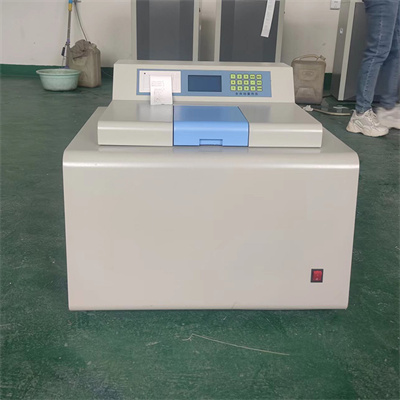 How to read calorimeter data
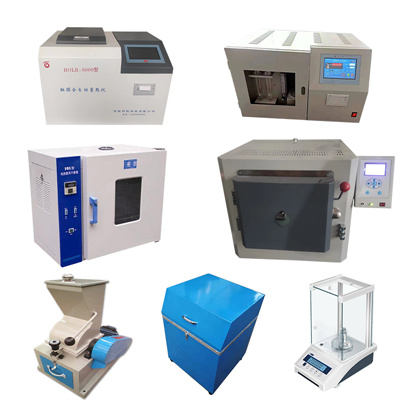 What is the design principle of a calorimeter?
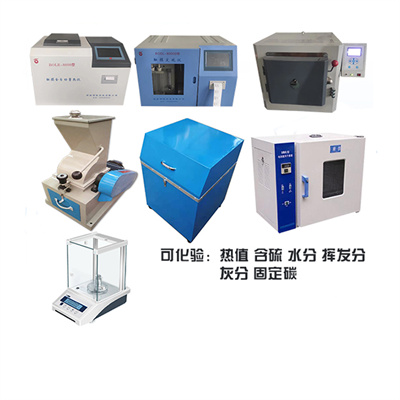 What is the harm of lack of water in the calorimeter?
 What is the input interface of the calorimeter?