How to change the water of the coal calorimeter
Preparation
Before changing the water for the coal calorimeter, be sure to be fully prepared. Turn off the power of the calorimeter first to ensure safe operation and avoid the risk of electric shock. Prepare clean distilled or deionized water. The water quality has a great impact on the measurement accuracy of the instrument. Do not use tap water. At the same time, prepare clean rags, containers and other tools for wiping and holding old water.
drainage operation
Locate the discharge port of the calorimeter, usually located at the bottom of the instrument. Connect the drain pipe to the drain port and introduce the other end into the prepared container. Open the drain valve to allow the old water in the instrument to drain slowly. During the drainage process, pay attention to the water flow. If the drainage is not smooth, check whether the pipeline is blocked and clean it in time. When the water is completely drained, close the drain valve.
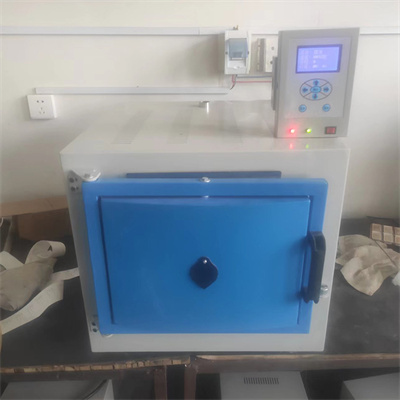
Clean liner
After the old water is drained, the inner tank of the instrument needs to be cleaned. Gently wipe the inner tank wall with a clean rag to remove residual scale, impurities, etc. For stubborn stains, a special cleaner can be used, but it should be noted that the cleaner cannot remain in the inner tank. After cleaning, rinse the inner tank with water and dry it with a clean rag.
Water addition operation
Slowly pour the prepared distilled water or deionized water into the inner tank of the calorimeter. When adding water, observe the water level scale to ensure that the water volume meets the requirements of the instrument. Generally, the water level should be between the specified scale lines. Avoid splashing water on other parts of the instrument during the water addition process to prevent damage to the instrument circuit.
Inspection and debugging
After adding water, carefully check whether the connections of all parts of the instrument are normal and whether there is any water leakage. After confirming that it is correct, turn on the power supply and debug the calorimeter to check whether the parameters of the instrument are normal, such as temperature, pressure, etc. If everything is normal, it means that the water change operation has been successfully completed.
Precautions
During the water change process, the operation should be gentle to avoid colliding with the instrument and causing damage to the parts. The frequency of water change should be determined according to the frequency of use of the instrument and the water quality. It is generally recommended to change the water regularly to ensure the measurement accuracy of the instrument. If you are not familiar with the water change operation, you can refer to the instrument manual or consult a professional.
 How to read calorimeter data
 What is the design principle of a calorimeter?
 What is the harm of lack of water in the calorimeter?
 What is the input interface of the calorimeter?