How does a calorimeter balance water levels?
During the use of a calorimeter, water level balance is a key prerequisite for ensuring accurate test results, which is directly related to the heat transfer efficiency and operating stability of the instrument. Mastering the scientific water level balance adjustment method can not only prolong the life of the instrument, but also ensure the reliability of the experimental data. Here are the detailed operation points for you.
First, the core principle of water level balance
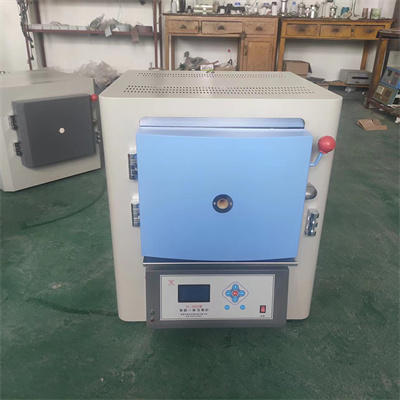
The calorimeter relies on water as the heat transfer medium. If the water level is too high, it will lead to abnormal heat loss. If it is too low, it may cause the heating element to dry burn and damage the core components of the instrument. Only by keeping the water level within the set range can we ensure accurate heat transfer and make the detection process stable and controllable.
Second, the adjustment steps of water level balance
1. Preparation: Turn off the power of the calorimeter first, and after the instrument is completely cooled, open the water tank cover to check whether the current water level is within a reasonable range marked by the scale.
2. Precise water replenishment: If the water level is lower than the lower limit scale, slowly add distilled water to avoid overflow due to excessive water addition at one time. When adding water, you can use the funnel to observe the water level scale while adding until the water level reaches the standard range.
3. Exhaust investigation: After the water replenishment is completed, start the instrument to run at a low speed to observe whether the water level is stable, and at the same time discharge the air in the pipeline to prevent bubbles from affecting the accuracy of the water level detection.
III. Key points for maintaining water level balance
1. Regular calibration: Check the accuracy of the water level scale once a week. If you find any ambiguity or deviation in the scale, contact a professional for calibration in time to avoid water level adjustment errors due to scale errors.
2. Water quality control: Distilled water or deionized water is preferred to avoid scaling of impurities in the water inside the instrument, blocking the pipeline, and affecting the stability of the water level balance.
3. Abnormal investigation: If the water level fluctuates frequently during operation, it is necessary to stop the machine immediately, check the pump pressure, pipeline sealing and other components, and then restart after troubleshooting.
Doing a good job in the water level balance of the calorimeter is the basis for ensuring the smooth development of the experiment. Strictly following the above methods of operation and maintenance can effectively avoid detection errors caused by water level problems, keep the calorimeter in the best operating condition, and lay a solid foundation for accurate detection.
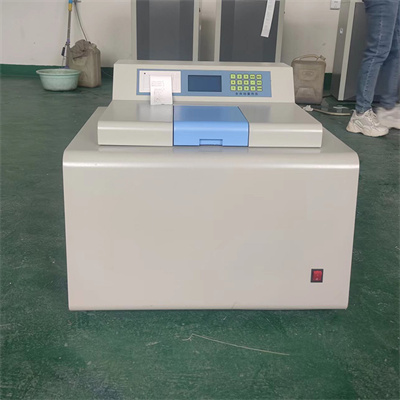 How to read calorimeter data
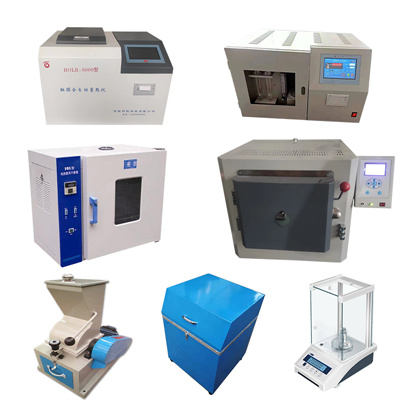 What is the design principle of a calorimeter?
 What is the harm of lack of water in the calorimeter?
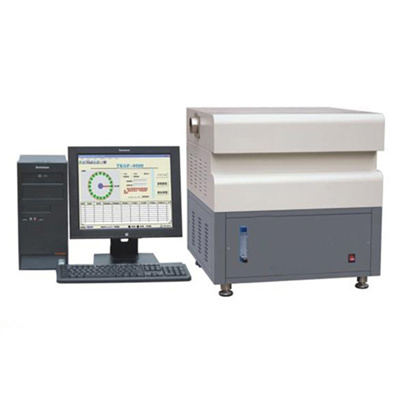 What is the input interface of the calorimeter?