How to drain coal calorimeter
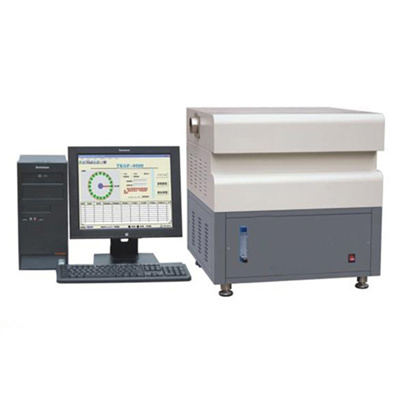
In the coal quality inspection work, the coal calorimeter is the core instrument for accurately measuring the calorific value, and the drainage operation is the key link to ensure the stable operation of the instrument and ensure the accuracy of the detection data. If the drainage is improper, it is easy to cause pipeline blockage, instrument failure, and affect the detection efficiency. Therefore, it is crucial to master the standardized drainage method. Here are the detailed operation steps for you.
First, the preparation work before drainage
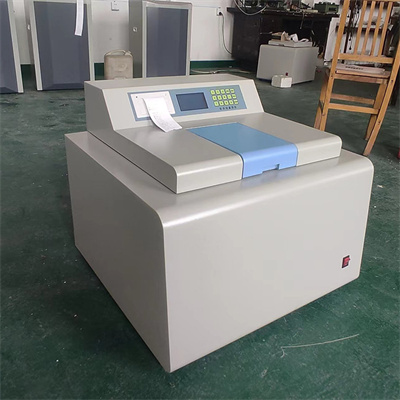
1. Turn off the power supply of the instrument: In order to avoid electric shock or misstart of the instrument during operation, be sure to cut off the total power supply of the calorimeter first, and then carry out follow-up operations after the instrument stops running completely.
2. Check the pipeline status: carefully check whether the drain pipe is bent or damaged, and confirm whether the drain valve is flexible. If the pipeline is blocked or the valve is stuck, it is necessary to troubleshoot before drainage.
3. Prepare the water receiving container: Use a clean container with suitable capacity to handle the discharged water to avoid sewage overflow and pollution of the experimental environment, and at the same time prevent water from splashing into the core components of the instrument, causing damage to the equipment.
Second, the core drainage operation steps
1. Identify the drainage interface: The drainage interface of the coal calorimeter is usually located at the bottom or back of the instrument. The location of the interface of different models is slightly different. You can refer to the instrument manual for accurate positioning to avoid misoperation and damage to other components.
2. Slowly open the drain valve: During operation, it is necessary to slowly open the drain valve at a constant speed to allow the water to discharge smoothly. Do not open the valve to prevent sudden changes in water pressure from impacting the pipeline, causing the pipeline interface to loosen or leak.
3. Observe the drainage status: Pay close attention to the water flow during the drainage process. If there is turbidity, impurities, or a sudden decrease in flow, it is necessary to suspend the drainage, check whether the pipeline is blocked, and continue the operation after the problem is solved.
4. Thoroughly drain the stored water: After the water flow has completely stopped, gently shake the instrument to ensure that all the remaining water inside is discharged, and then close the drain valve to avoid water leakage during subsequent instrument operation.
III. Finishing work after drainage
1. Clean the pipeline interface: Wipe the drainage interface and surrounding area with clean gauze to remove residual water stains and stains, prevent the accumulation of impurities and corrode the interface, and affect the sealing of the pipeline.
2. Reset the status of the instrument: After confirming that the drain pipe is firmly connected and the valve is closed in place, reconnect the instrument power supply, start the instrument for no-load test, check whether the instrument is running normally, and ensure that there is no water leakage, abnormal alarm, etc.
3. Standardized treatment of wastewater: The wastewater received is properly treated in accordance with the environmental protection requirements of the laboratory, and cannot be dumped at will to avoid polluting the environment and ensure the compliance of the experimental operation.
IV. Operational Precautions
1. Drainage frequency control: It is recommended to carry out drainage operations regularly according to the frequency of use of the instrument, usually at least 1-2 times a week. If the ambient humidity is high, the number of drains can be appropriately increased to prevent the accumulation of water inside the instrument from breeding bacteria or causing component rust.
2. Safety protection in place: Insulated gloves are required during operation to prevent the risk of electric shock, and at the same time to avoid water-liquid contact with the circuit part of the instrument to ensure safe operation.
3. Regular maintenance of pipelines: In addition to regular drainage, it is necessary to regularly conduct a comprehensive inspection and cleaning of the drainage pipeline, remove scale and impurities on the inner wall of the pipeline in time, prolong the service life of the pipeline, and ensure smooth drainage.
Mastering the standard drainage method of the coal calorimeter can not only ensure the stable operation of the instrument, but also improve the accuracy and reliability of coal detection. Strictly following the above steps and points to carry out the operation can effectively reduce the failure rate of the instrument and lay a solid foundation for the coal quality inspection work. If you encounter complex problems in operation, it is recommended to consult the instrument manual in time or contact professional technicians to assist in solving it.
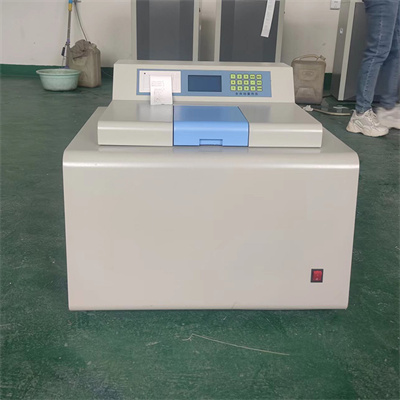 How to read calorimeter data
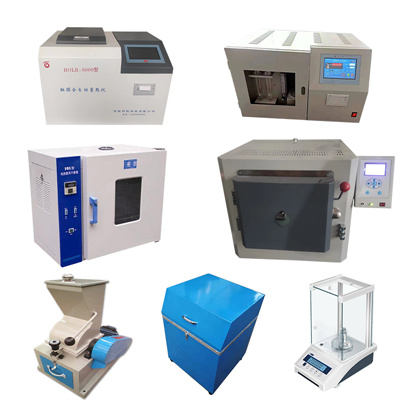 What is the design principle of a calorimeter?
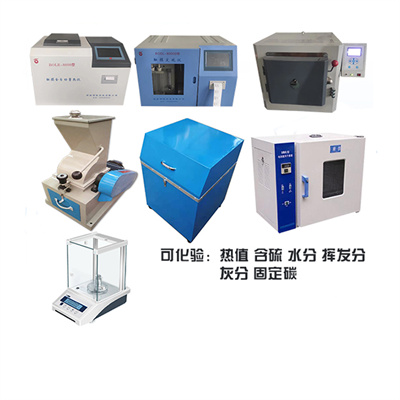 What is the harm of lack of water in the calorimeter?
 What is the input interface of the calorimeter?