How much water is appropriate for the calorimeter?
The control of the amount of water added to the calorimeter is directly related to the accuracy of the experimental results. Accurate water addition is a key step for the success of the experiment.
Different types of calorimeters have different water requirements. Taking the common oxygen bomb calorimeter as an example, the core principle of adding water is to ensure that the water is completely immersed in the oxygen bomb and the water level is within a reasonable range. Usually, the outer cylinder needs to be filled with water to reach about 2/3 of the volume, so as to ensure stable heat transfer; the inner cylinder needs to be estimated according to the calorific value of the sample. Generally, the amount of water added is 3000-4000 ml. At the same time, after the oxygen bomb is placed, the water surface is 10-20 mm higher than the top of the oxygen bomb to avoid water overflow or abnormal heat transfer during the experiment.
Adding too much or too little water can cause problems. Adding too much water will not only cause waste of water resources, but also may damage the instrument due to water overflow after ignition, interfering with temperature collection; adding insufficient water will not fully absorb the heat released by combustion, resulting in low measured calorific value and distorted experimental data.
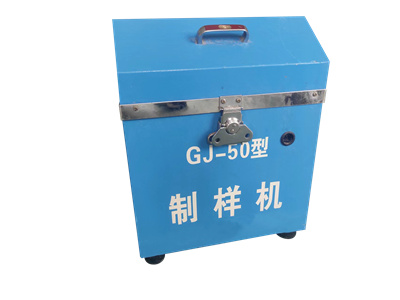
The operation points of precise water addition should be kept in mind. Before adding water, check the water level scale of the instrument and add water strictly according to the scale range marked in the manual; when adding water, it is recommended to use a graduated measuring cup to pour it slowly to facilitate accurate water control; after adding water, check the water level again to ensure that it meets the experimental requirements. In addition, check the water level before each experiment. If the water volume decreases due to evaporation, it needs to be replenished to the standard scale in time.
Mastering the water addition standards and operation skills of the calorimeter and strictly controlling the amount of water added can ensure the reliability of the experimental data, allow the calorimeter to perform at its best, and lay a solid foundation for various types of calorific value detection work.
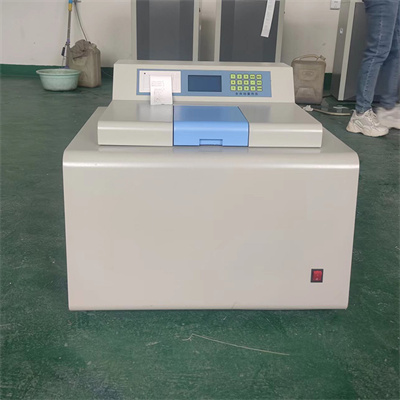 How to read calorimeter data
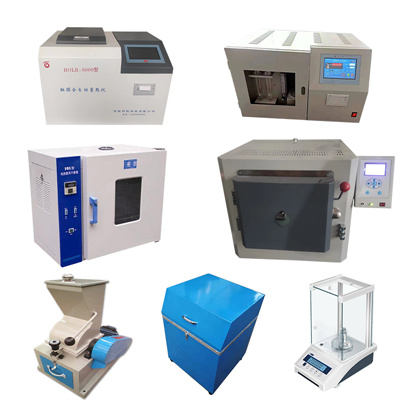 What is the design principle of a calorimeter?
 What is the harm of lack of water in the calorimeter?
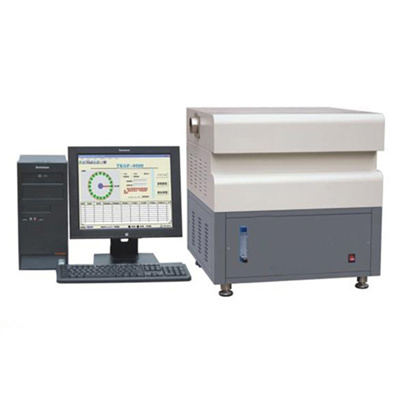 What is the input interface of the calorimeter?