How to analyze the cone calorimeter
First, the core principle of the cone calorimeter
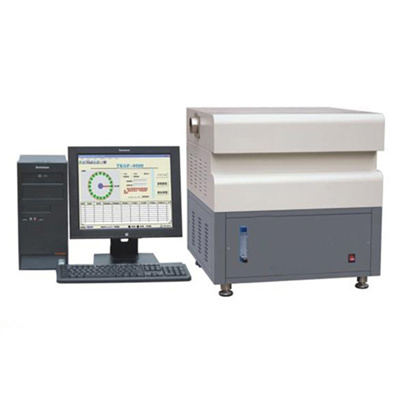
The cone calorimeter is a core device for measuring the combustion performance of materials. The core principle is based on the principle of oxygen consumption: when materials burn, the amount of oxygen consumed is proportional to the heat released. By accurately monitoring the change of oxygen concentration, key parameters such as heat release rate (HRR) and total heat release (THR) can be calculated, providing a scientific basis for evaluating the fire risk of materials.
II. Key preparation steps before analysis
1. Sample preparation: Cut the sample according to the standard to ensure that the size and thickness meet the specifications, the surface is flat and not damaged, and avoid affecting the accuracy of the data due to sample problems;
2. Instrument calibration: After booting, first calibrate the radiation cone power, oxygen sensor, and quality sensor to confirm that each component operates stably and ensure the accuracy of the detection data;
3. Environmental control: Keep the laboratory temperature and humidity stable to avoid external factors interfering with the combustion process and reduce data errors.
III. Key points of analysis for core parameters
1. Heat release rate (HRR): This is the core indicator. The peak HRR directly reflects the fire spread speed. The higher the value, the greater the fire risk. It is necessary to record the peak value and the appearance time.
2. Effective heat of combustion (EHC): reflects the heat released per unit mass of the material during combustion, which can assist in judging the adequacy of material combustion. Abnormal EHC may suggest that the material has special combustion characteristics.
3. Mass loss rate (MLR): By monitoring sample quality changes in real time, analyzing the decomposition and consumption rate of materials during combustion, and combining HRR to determine the combustion stage.
IV. Data interpretation and application scenarios
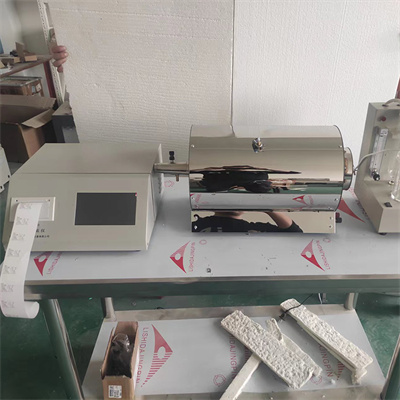
After the analysis is completed, various parameters are integrated to draw curves, and the standard threshold is compared to determine whether the material meets the fire protection requirements. This technology is widely used in building materials, electronic appliances, transportation and other fields to help enterprises optimize product fire protection design, provide key data support for fire security evaluation, and is an important means for material combustion performance testing.
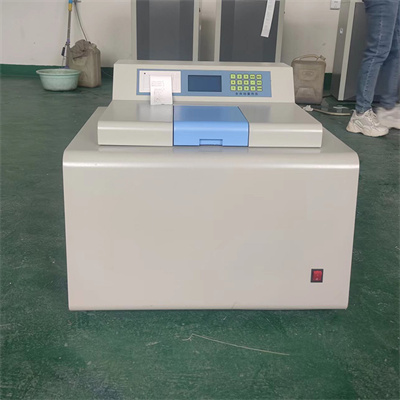 How to read calorimeter data
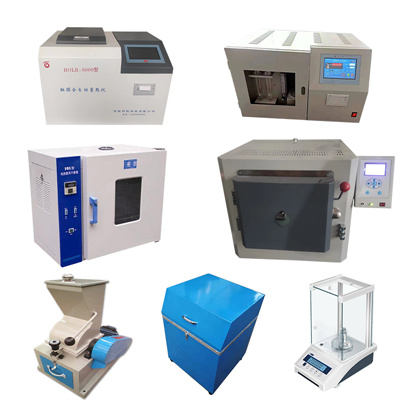 What is the design principle of a calorimeter?
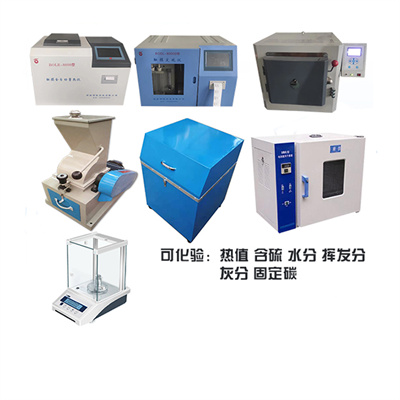 What is the harm of lack of water in the calorimeter?
 What is the input interface of the calorimeter?