Which calorimeter parameters are important?
In various calorific value detection scenarios, the calorimeter plays a key role, and the importance of its parameters directly affects the detection accuracy. So, among the many parameters of the calorimeter, which is the most important? The following is a detailed analysis for you.
Heat capacity is the core foundation
Heat capacity is the core parameter of a calorimeter, which represents the heat absorbed or released by the instrument when the unit temperature changes. If the heat capacity is inaccurate, all subsequent test data will be biased. For example, in the detection of coal calorific value, the calibration of heat capacity is not up to standard, which will lead to the calculation of coal calorific value errors, affecting energy pricing and quality evaluation. Therefore, regular accurate calibration of heat capacity is the key to ensure the reliable operation of the calorimeter.
Temperature resolution determines the upper limit of accuracy
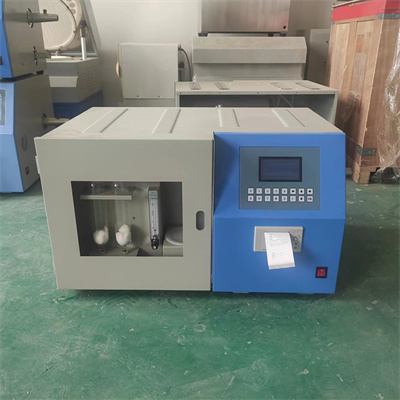
The temperature resolution reflects the sensitivity of the calorimeter to temperature changes. The higher the resolution, the more accurate the subtle temperature changes that the instrument can capture, and the more reliable the detection results will be. In scenes that require extremely high accuracy, such as scientific research experiments, high-temperature resolution calorimeters can accurately record small heat changes, providing accurate data support for the experiment. On the contrary, insufficient resolution may miss key temperature changes, resulting in distorted detection results.
Repeatability guarantees data stability
Repeatability reflects the consistency of the data when the calorimeter detects the same sample multiple times. Good repetitive sexual < unk > Celebration eness means that the instrument has strong stability and can reduce the error caused by instrument fluctuations. In the batch detection scene, if the reproducibility is poor, the difference in each test result will not only reduce the detection efficiency, but also affect the judgment of sample quality. Therefore, choosing a calorimeter with excellent reproducibility is an important prerequisite to ensure the stability of the detection data.
Accuracy is the ultimate goal
Accuracy is the result of the comprehensive action of all parameters of the calorimeter, which directly reflects the proximity of the test result to the true value. Accuracy can only be guaranteed if parameters such as heat capacity, temperature resolution, and repeatability are coordinated to meet standards. In the fields of industrial production and quality inspection, a calorimeter with substandard accuracy will bring serious risks to production decisions and product quality control.
To sum up, the parameters such as heat capacity, temperature resolution, repeatability and accuracy of a calorimeter are all crucial, and they are interrelated and affect each other. When selecting and using a calorimeter, these parameters need to be taken into account comprehensively to ensure that the instrument meets the actual detection needs and lays a solid foundation for accurate detection.
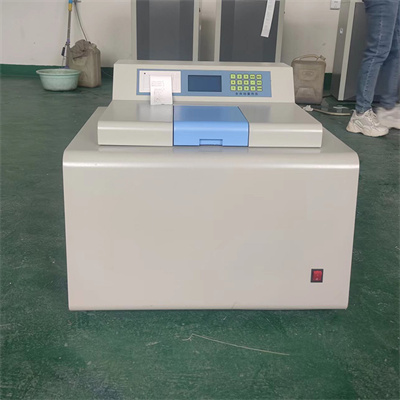 How to read calorimeter data
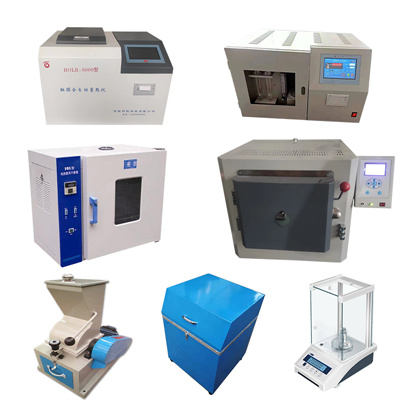 What is the design principle of a calorimeter?
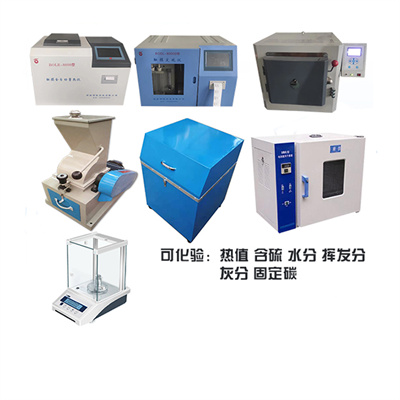 What is the harm of lack of water in the calorimeter?
 What is the input interface of the calorimeter?