Why doesn't the calorimeter ignite?
When the calorimeter is used in the laboratory for calorific value measurement and other experiments, the calorimeter does not ignite is a common failure, which will directly affect the experimental progress and results. The following is a detailed analysis of the common reasons why the calorimeter does not ignite and the corresponding solutions.
Ignition system failure
The ignition system is the core component of the calorimeter to achieve ignition. If the ignition electrode is aged and carbon deposits are deposited, the ignition energy will be insufficient and the sample will not be ignited. In addition, the ignition circuit is loose and broken, which will also prevent the ignition signal from transmitting normally, resulting in non-ignition. In case of such problems, it is necessary to clean the ignition electrode regularly to remove carbon deposits; check the ignition circuit to ensure that the connection is firm, and replace it in time if it is damaged.
Oxygen supply problem
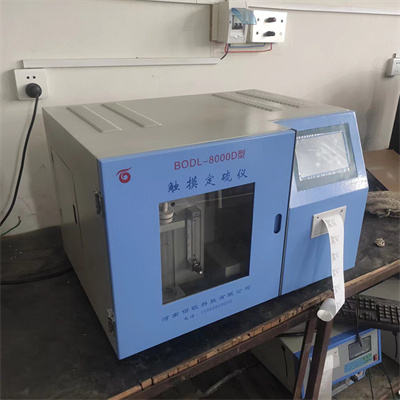
The ignition of the calorimeter requires sufficient oxygen support. Insufficient oxygen pressure will make the flame unable to burn stably or even ignite. At the same time, the blockage and leakage of the oxygen pipeline will also affect the normal supply of oxygen. Therefore, check the oxygen pressure regularly to ensure that it is within the specified range; carefully check the oxygen pipeline, clean the blockage, and repair the leakage point.
sample factor
The nature and placement of the sample also have an important impact on the ignition effect. If the sample is damp and contains impurities, it will reduce its flammability and make ignition difficult. In addition, improper placement of the sample and insufficient contact with the ignition electrode will also cause ignition failure. Before the experiment, ensure that the sample is dry and pure, and place the sample correctly according to the operating procedures.
Other failures of the instrument
Failure of the ignition program and control system of the calorimeter may also lead to non-ignition. For example, incorrect program settings, damaged control components, etc. At this time, it is necessary to conduct a comprehensive inspection of the instrument, adjust the ignition program according to the instrument manual, and replace the damaged control components.
The reasons why the calorimeter does not ignite involve many aspects. When encountering a non-ignition problem, it is necessary to analyze it calmly, investigate the ignition system, oxygen supply, sample condition, and the overall state of the instrument one by one, and accurately locate the fault and solve it in time to ensure the normal operation of the calorimeter and ensure the smooth progress of the experiment.
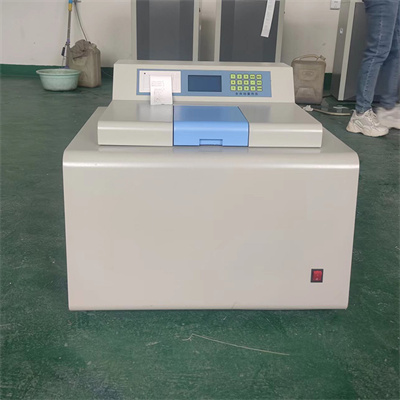 How to read calorimeter data
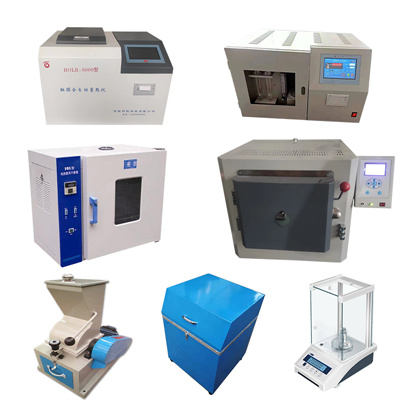 What is the design principle of a calorimeter?
 What is the harm of lack of water in the calorimeter?
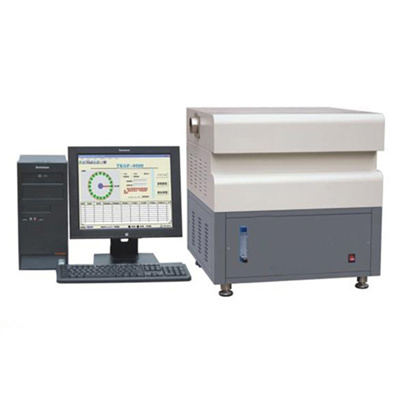 What is the input interface of the calorimeter?