How to lower the room temperature of the calorimeter?
When conducting calorimetry analysis in the laboratory, the room temperature control of the calorimeter is directly related to the accuracy of the experimental data. Many operators often face the problem that the room temperature is too high and it is difficult to accurately lower it. To effectively lower the room temperature of the calorimeter, you need to master the core principles first, and then operate according to the standard steps. The following methods are simple and easy to learn to help solve problems quickly.
First, clarify the core principle of room temperature regulation of the calorimeter
The room temperature control of the calorimeter relies on its own temperature control system, which monitors the ambient temperature in real time through the temperature sensor, and then drives the refrigeration component to work. When the room temperature is higher than the set value, the refrigeration module starts to reduce the internal temperature through heat exchange; when the temperature reaches the standard, the system automatically switches to the insulation mode to maintain the temperature stability. The key to lowering the room temperature is to allow the temperature control system to accurately identify the cooling demand and ensure the efficient operation of the refrigeration component.
Second, practical operation steps: step by step to lower the room temperature of the calorimeter
1. Precise calibration of temperature settings
Open the operation interface of the calorimeter, find the "Temperature Settings" section, and enter the target low temperature value according to the experimental requirements. Note that the setting value should be within the temperature control range allowed by the equipment to avoid equipment failure due to exceeding the limit. Save the parameters after the setting is completed, and the system will automatically trigger the cooling command.
2. Check the operating status of the refrigeration system
Before lowering the room temperature, check whether the refrigeration components are normal. Check whether there is any leakage in the refrigeration pipeline and whether the condenser has accumulated dust. If there is dust, it needs to be cleaned in time to avoid affecting the heat dissipation efficiency. If the pipeline leaks, it needs to be repaired by professionals. Do not force operation to prevent equipment damage.
3. Optimize the equipment operating environment
The cooling effect of the calorimeter is greatly affected by the environment. The device needs to be placed in a cool and ventilated place, away from heat sources and direct sunlight. At the same time, ensure that sufficient heat dissipation space is reserved around the device to avoid slow cooling due to blocked heat dissipation and affect the efficiency of room temperature adjustment.
4. Monitor temperature changes and fine-tune them
After starting the cooling program, observe the temperature display value in real time, and check whether the system is stable when the temperature drops near the set value. If the temperature fluctuates greatly, you can fine-tune the set value appropriately, or check whether the temperature control sensor is sensitive to ensure that the room temperature is stable in the target range.
III. Key considerations
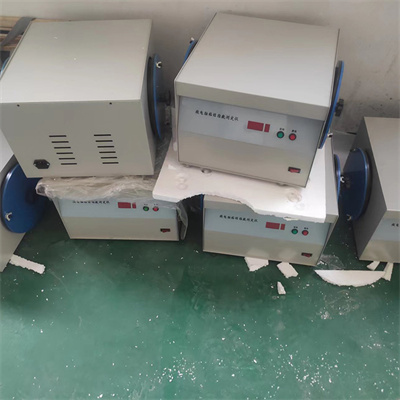
During operation, do not adjust the temperature setting value frequently to avoid frequent start and stop of the temperature control system and shorten the service life of the equipment. If the equipment cannot be lowered to the set temperature for a long time, it is necessary to check whether the refrigerant is insufficient and whether the temperature control module is faulty. Do not disassemble the equipment yourself. Contact professional after-sales personnel to ensure the safety of the equipment and the smooth progress of the experiment.
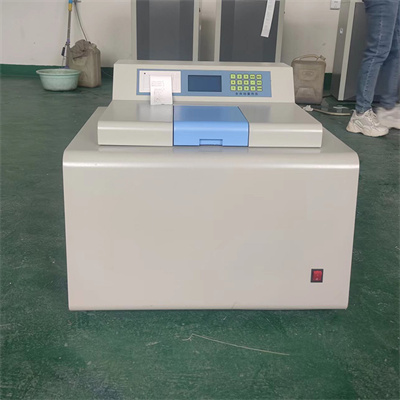 How to read calorimeter data
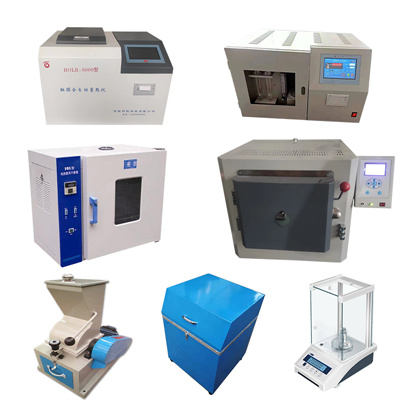 What is the design principle of a calorimeter?
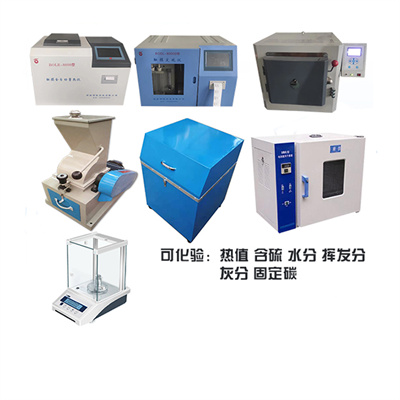 What is the harm of lack of water in the calorimeter?
 What is the input interface of the calorimeter?