How to operate the calorimeter drainage
In the laboratory, the calorimeter is a key instrument for accurately measuring heat, and standardized drainage operation is essential to ensure its stable operation and maintain measurement accuracy. The following is a detailed introduction to the drainage operation process of the calorimeter.
Preparation before drainage
1. Confirm the status of the instrument: Before operation, be sure that the calorimeter is turned off and the power has been cut off to avoid the risk of electric shock. At the same time, check whether the appearance of the instrument is damaged and whether the connections are firm.
2. Prepare tools and environment: Prepare clean rags and water containers, and choose a well-ventilated and dry operating environment to prevent moisture residue from causing instrument failure.
Specific steps of drainage operation
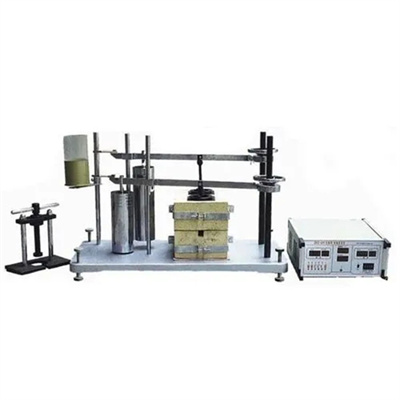
1. Find the location of the drain port: The location of the drain port of different models of calorimeters is slightly different, usually located at the bottom or side of the instrument. Check the instrument manual carefully, locate the drain port accurately, and do not blindly disassemble the instrument parts.
2. Connect the drain pipe: Connect one end of the matching drain pipe tightly to the drain port, and put the other end into the water receiving container to ensure that the connection is firm and prevent water leakage.
3. Slowly open the drain valve: gently rotate or open the drain valve to control the water flow speed to avoid sudden changes in the internal pressure of the instrument due to excessive water flow, which will affect the performance of the instrument. Observe the water flow until no water flows out.
4. Close the drain valve and clean it: After the drainage is completed, close the drain valve in time and unplug the drain pipe. Wipe the residual moisture on the surface of the instrument and around the drain with a rag to keep the instrument dry.
Post-drainage inspection and maintenance
1. Check the drainage system: carefully check whether the drain and drainage pipes are blocked or damaged. If there is any problem, clean or replace it in time to ensure the smooth flow of the drainage system.
2. Record the drainage situation: Establish an instrument maintenance file to record the time and operation of each drainage, which is convenient for follow-up tracking of the operation status of the instrument and timely detection of potential problems.
Mastering the correct calorimeter drainage operation can not only prolong the service life of the instrument, but also ensure the accuracy of the measurement data. Strictly follow the above steps to keep the calorimeter in the best working condition and provide reliable support for experimental work.
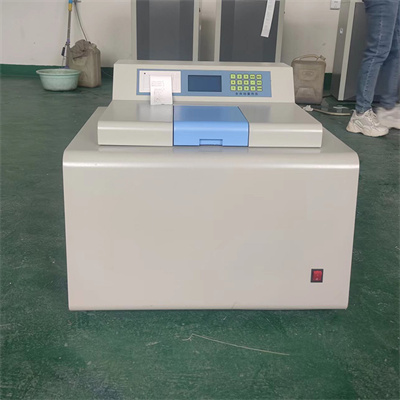 How to read calorimeter data
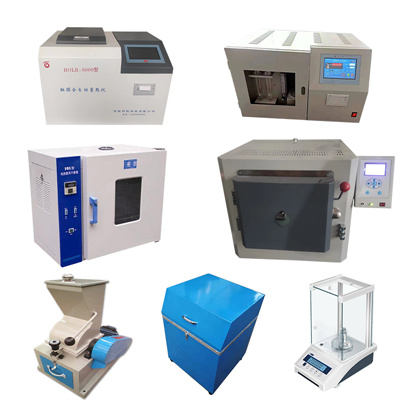 What is the design principle of a calorimeter?
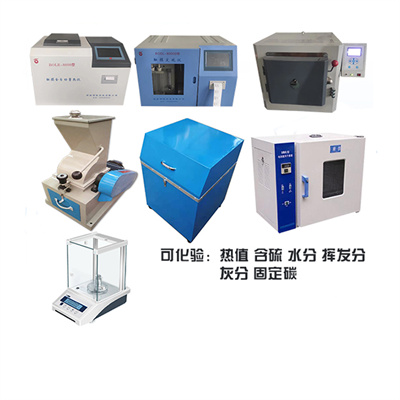 What is the harm of lack of water in the calorimeter?
 What is the input interface of the calorimeter?