How to release water in a coal calorimeter
The coal calorimeter is the core equipment of coal detection. The operation of water discharge directly affects the accuracy of the detection results. Mastering the standardized water discharge process is the key to ensuring the efficient development of testing.
First, the core preparation before releasing the water
Before operation, be sure to cut off the power supply of the calorimeter, and wait for the instrument to be completely cooled to room temperature to avoid burns or equipment failure caused by high temperature. At the same time, prepare clean distilled water or deionized water, impurity water is easy to clog the pipeline and affect the detection accuracy, and also prepare measuring cups, wipes and other auxiliary tools to ensure that the operating environment is clean and free of interference.
Second, the key steps to accurately control the release of water
1. Find the water outlet: Most coal calorimeters have water outlets located on the bottom side of the instrument. Some models need to open the outer cover before operation. Carefully read the equipment manual before operation to accurately locate the interface position to avoid misoperation and damage to the equipment.
2. Standardize the connection of the drain pipe: close one end of the matching drain pipe to the drain port to ensure that the interface is not loose or leaking. If the interface has a sealing ring, it is necessary to confirm that the sealing ring is intact and flat to prevent water leakage during drainage.
3. Control the drain water level: Slowly open the drain valve, observe the water level scale in the instrument, and immediately close the valve when the water level drops to 1-2 cm below the scale line. It is strictly forbidden to completely empty the water, and the residual amount of moisture can protect the liner and avoid damage to the equipment due to dry burning.
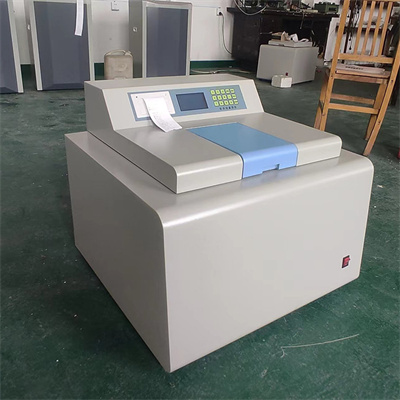
4. Clean up the residual moisture: After the water release is completed, use a wipe to dry the interface and surrounding residual moisture to prevent moisture from eroding the equipment parts. At the same time, check the pipeline for water accumulation and clean it up in time to ensure the subsequent normal use of the equipment.
III. Finishing and inspection after releasing water
After the drain is over, confirm again that the valve has been completely closed, organize the drain pipe and properly store it. Then power on and practice running to check whether the water level display is normal. If there are problems such as water leakage and abnormal water level, it is necessary to check the pipeline connection or valve status in time to ensure that the equipment is in a stable operation state and build a solid foundation for subsequent coal testing.
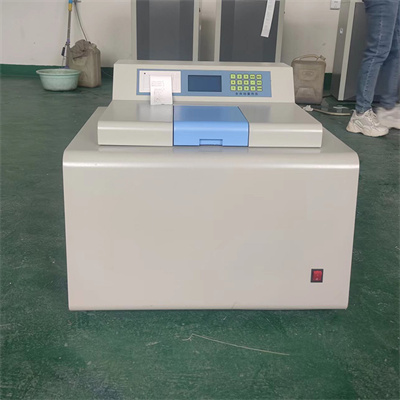 How to read calorimeter data
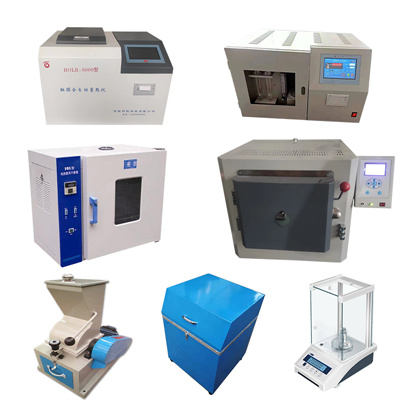 What is the design principle of a calorimeter?
 What is the harm of lack of water in the calorimeter?
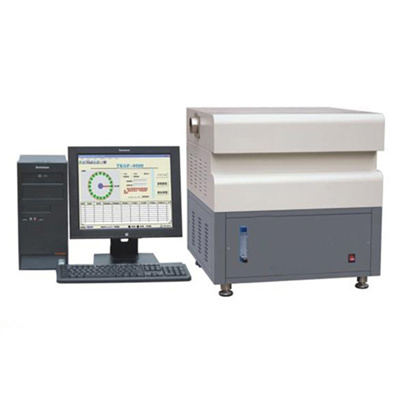 What is the input interface of the calorimeter?