How to interpret the calorimeter heat card
In many fields such as energy detection and coal analysis, the accurate interpretation of the calorimeter heat card is crucial, which is directly related to product quality control and energy utilization efficiency evaluation. Below, I will take you to systematically learn the interpretation method of the calorimeter heat card.
First, clarify the basic principle of calorimeter heat card
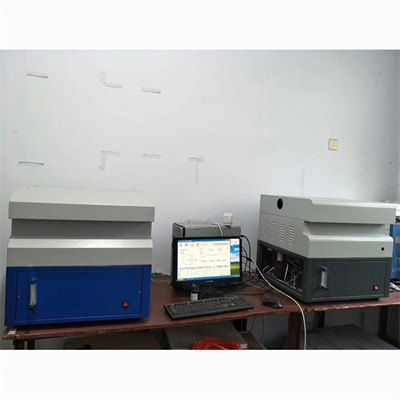
The calorimeter works based on the law of conservation of thermodynamic energy. When the sample is fully burned in the oxygen bomb, the released heat will be absorbed by the calorimeter system. By measuring the temperature change of the system and combining the heat capacity of the instrument, the calorimeter value of the sample can be calculated. Simply put, it is by accurately capturing the combustion heat and converting it into quantifiable heat card data to provide a basis for subsequent analysis.
Second, master the calculation logic of the calorie value
The calorie value calculation has a fixed formula: calorie value (J/g) = (system temperature rise × instrument heat capacity) ÷ sample quality. Among them, the system temperature rise is the water temperature difference before and after combustion, the instrument heat capacity needs to be calibrated in advance, and the sample quality should be accurately weighed. During operation, strictly control the measurement accuracy of each parameter. Any mistake in any link will lead to the deviation of the calorie value and affect the reliability of the result.
III. Standardize the operation process of the calorimeter
Before operation, check the airtightness of the instrument and the state of the oxygen bomb to ensure that there is no leakage and the components are intact; weigh the sample evenly and in line with the range to avoid excess or insufficient; after loading the sample, oxygenate it to the specified pressure to ensure that the sample is fully burned. After ignition, closely observe the temperature change, record the data after the temperature stabilizes, and calculate the heat card value according to the formula. Every step of operation needs to be rigorous to ensure the accuracy of the heat card interpretation.
IV. Common errors and coping strategies
Errors often occur in the interpretation of heat cards. For example, if the sample burns incompletely, the oxygenation pressure can be increased and the oxygenation time can be extended. The heat capacity of the instrument drifts, which requires regular calibration with standard materials. The ambient temperature fluctuates greatly, and the laboratory temperature should be controlled to be stable. Mastering these countermeasures can effectively reduce errors and make the interpretation of heat cards more accurate.
Learning to interpret the calorimeter heat card can not only improve the detection efficiency, but also build a solid data foundation for energy utilization and product quality control. By keeping in mind the principle, standardizing operation, and avoiding errors, you can easily control the calorimeter and accurately interpret the heat card value.
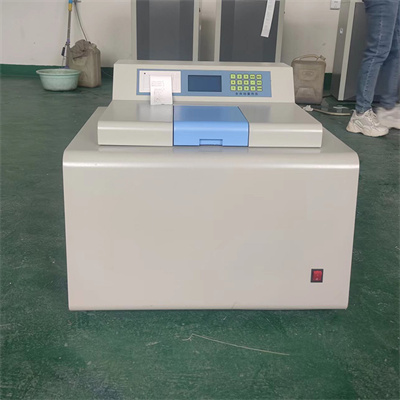 How to read calorimeter data
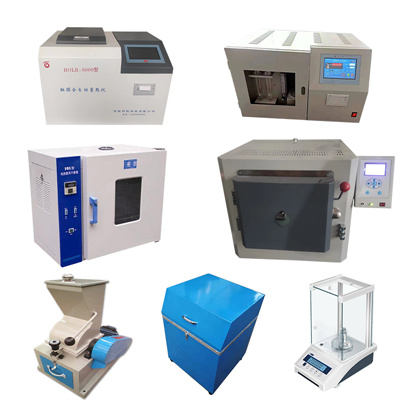 What is the design principle of a calorimeter?
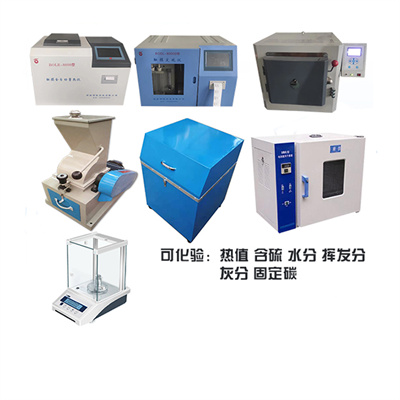 What is the harm of lack of water in the calorimeter?
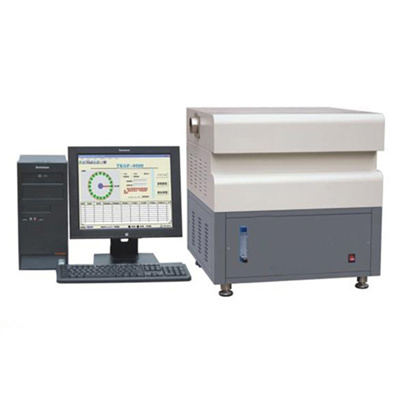 What is the input interface of the calorimeter?