How to calibrate a miniature calorimeter
The calibration of the micro calorimeter is the core link to ensure its measurement accuracy, which is directly related to the reliability of the experimental data. It is crucial to master the standard calibration process.
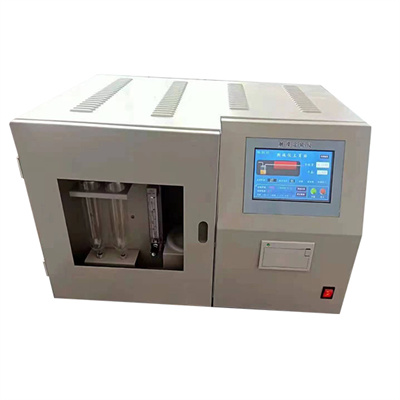
Preparation before calibration
First of all, it is necessary to confirm that the calibration environment is stable, the temperature is controlled at 15-25 ° C, and the humidity is maintained at 40% -60% to avoid temperature and humidity fluctuations affecting the calibration results. At the same time, prepare metrological certified standard materials, such as benzoic acid, whose calorific value is known and stable, which is an ideal choice for calibration. In addition, it is also necessary to check whether the power supply and circuit connection of the instrument are normal to ensure that the instrument is ready to work.
II. Core calibration steps
1. Instrument preheating: Turn on the mini calorimeter, preheat for more than 30 minutes, and then perform follow-up operations after the internal temperature of the instrument is stable.
2. Reference material weighing: Use a high-precision balance to accurately weigh the reference material and record its quality. The error should be controlled within the specified range.
3. Sampling and sealing: Put the weighed standard material into the combustion dish and seal it according to the requirements of the instrument to avoid leakage during combustion and affect heat release.
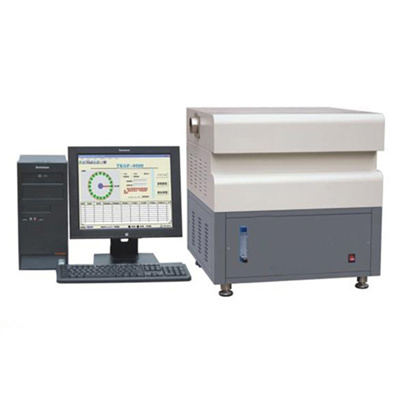
4. Calibration operation: Place the sample-loaded combustion dish into the instrument measurement compartment, start the calibration process, and the instrument will automatically record the heat generated by combustion and compare it with the theoretical calorific value of the reference material to complete the calibration of the calibration parameters.
Verification after calibration
After the calibration is completed, a verification experiment is required. Select the same type of reference material for re-measurement. If the deviation between the measurement result and the theoretical value is within the allowable range, the calibration is qualified; if the deviation exceeds the standard, the calibration process needs to be re-checked, and the problem should be checked again.
IV. Key considerations
During the calibration process, it is necessary to strictly follow the instrument operation manual to avoid illegal operation; the reference materials should be properly preserved to prevent moisture and deterioration; the calibration records should be completely retained, including environmental parameters, reference material information, calibration results, etc., for subsequent traceability.
By mastering the above calibration process, the calibration of the micro calorimeter can be completed efficiently, providing accurate data support for the experiment.
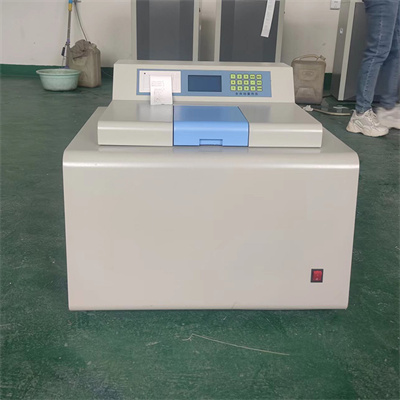 How to read calorimeter data
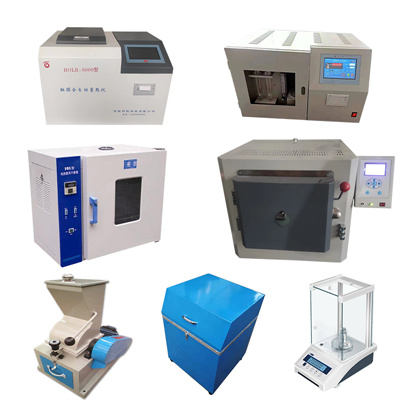 What is the design principle of a calorimeter?
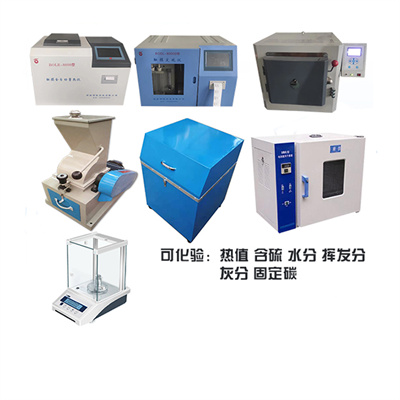 What is the harm of lack of water in the calorimeter?
 What is the input interface of the calorimeter?