Is the calorimeter afraid of freezing?
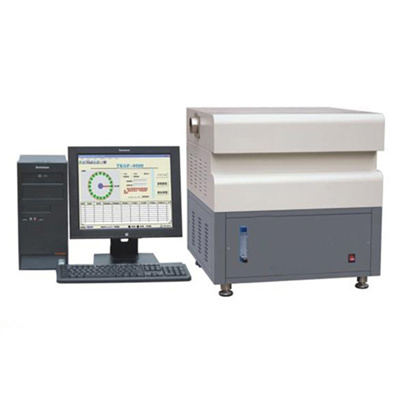
Is the calorimeter afraid of freezing? The answer is: most conventional calorimeters are more sensitive to low temperature environments, and there is indeed a risk of freezing. As a core instrument for accurately measuring the heat of substances, its internal structure and the operating state of electronic components are directly affected by the ambient temperature. Low temperature may cause a series of problems. Mastering relevant knowledge is essential to ensure the performance of the instrument.
Why does low temperature affect the calorimeter?
The core components of the calorimeter include precision sensors, electronic control modules, thermal insulation systems, and internal circulating media. When the ambient temperature is lower than the lower limit of the working temperature of the instrument design, it will first affect the stability of the electronic components. Low temperatures may cause the operating parameters of the chip and circuit to drift, resulting in measurement data deviations. Secondly, if the thermal insulation medium of some calorimeters is aqueous, it is easy to freeze at low temperatures. After freezing, the volume expands, which may burst the thermal insulation cavity or pipeline, causing hardware damage. In addition, low temperatures can also cause an increase in the viscosity of the lubricating oil of the mechanical parts, affecting the operation flexibility of the parts, and then interfering with the accuracy of heat transfer.
Second, the specific hazards of low temperature environments to calorimeters
1. Data distortion: Electronic components are affected by low temperatures, causing unstable signal transmission, which directly leads to errors in the measurement results, unable to guarantee the accuracy of the experimental data, and affecting subsequent analysis.
2. Hardware damage: If there is a liquid medium inside the instrument, the expansion force generated after freezing will destroy the sealing structure, causing media leakage, and even damage the core sensor in severe cases, resulting in high maintenance costs.
3. Startup failure: In a low temperature environment, when the instrument is started, the electronic system may have problems such as short circuit and failure to self-test normally, resulting in the instrument not being turned on smoothly and delaying normal use.
Third, the calorimeter winter antifreeze and maintenance points
1. Control the ambient temperature: Place the calorimeter in a room with a stable temperature to ensure that the ambient temperature meets the requirements of the instrument manual. It is generally recommended to keep it between 5 ° C and 35 ° C to avoid direct exposure of the instrument to a low temperature environment.
2. Do a good job of thermal insulation protection: If the laboratory temperature cannot be stabilized to meet the standard, a thermal insulation cover can be installed for the instrument, or thermal insulation materials can be placed around the instrument to reduce the invasion of low temperature on the instrument.
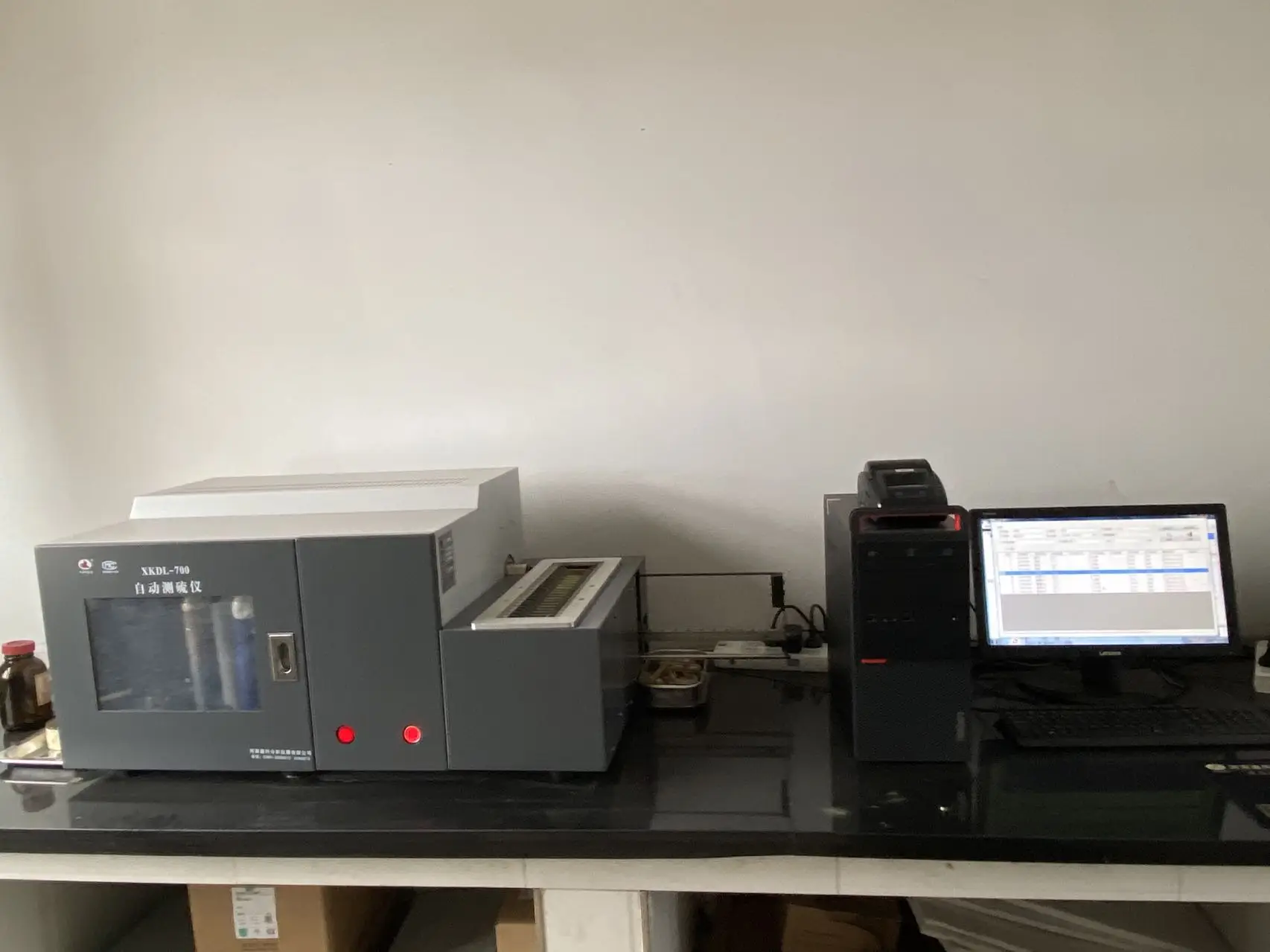
3. Check the internal medium: For calorimeters containing liquid media, check the condition of the medium before use in winter. If the medium is prone to freezing, it can be replaced with an antifreeze medium, or the medium can be emptied in time after use to prevent icing damage.
4. Standardize the operation process: Before starting the instrument in winter, let the instrument stand in a suitable temperature environment for a period of time, and then turn it on after the internal temperature rises to the normal working range to avoid damage to components caused by low temperature start.
5. Regular maintenance: Increase the inspection frequency of the instrument in winter, focus on the status of the circuit, pipeline, and insulation system, and deal with any problems in a timely manner to ensure that the instrument is always in good working condition.
IV. Precautions for using a calorimeter in a low temperature environment
If the calorimeter must be used in a low temperature environment, communicate with the manufacturer in advance to confirm whether the instrument has a low temperature compatible model. Non-compatible models are strictly prohibited from long-term use in low temperature environments. Emergency insulation measures should be taken during temporary use, and the operating status of the instrument should be monitored in real time. Once there is abnormal data or abnormal sound, stop using it immediately and transfer to a suitable environment to investigate the problem.
In short, although the calorimeter is not completely "afraid of freezing", the low temperature environment has a significant impact on its performance and life. Mastering scientific protection and maintenance methods can effectively avoid low temperature risks, ensure the measurement accuracy and service life of the calorimeter, and provide reliable support for experimental work.
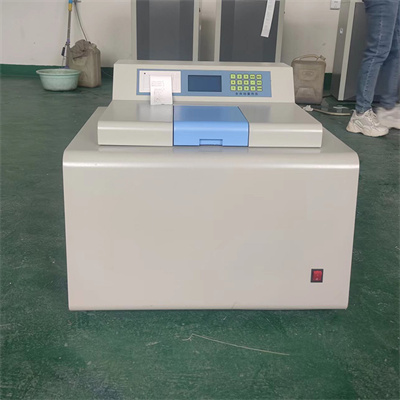 How to read calorimeter data
 What is the design principle of a calorimeter?
 What is the harm of lack of water in the calorimeter?
 What is the input interface of the calorimeter?