How long does the calorimeter need a constant temperature?
In laboratory testing, the constant temperature operation of the calorimeter is the core link to ensure the accuracy of the detection data, and the control of the constant temperature duration directly determines the reliability of the experimental results. In different scenarios, the constant temperature time of the calorimeter is clearly different, and it is only by mastering the core standards that the work can be carried out efficiently.
Constant temperature duration for routine testing: When the calorimeter is in the daily testing state and the ambient temperature is stable at 20-25 ° C, 30-60 minutes of constant temperature preheating is required after the instrument is turned on. This stage allows the core components of the calorimeter, such as the inner cylinder, outer cylinder and sensor, to reach a stable temperature to avoid the detection error caused by the initial temperature difference. After the temperature display is stable, the sample test can be carried out.
Constant temperature adjustment under environmental fluctuations: If the laboratory environment temperature fluctuates greatly, or the instrument is restarted after a long shutdown, the constant temperature time needs to be extended to 90-120 minutes. At this time, the internal temperature of the instrument and the ambient temperature difference are large, and sufficient constant temperature time can ensure that the temperature of each component is uniform, eliminate the data deviation caused by temperature drift, and ensure the accuracy of the test results.
Constant temperature requirements for key component calibration: Before calibrating key components of the calorimeter, such as heat capacity calibration, the constant temperature time needs to be strictly controlled at 60-90 minutes. The calibration process requires extremely high temperature stability. Only by ensuring the overall temperature stability of the instrument can the accuracy of heat capacity calibration be ensured, laying a reliable foundation for subsequent sample testing.
The core factors that affect the constant temperature duration are: first, the ambient temperature, the greater the ambient temperature difference, the longer the constant temperature time; second, the instrument model, the thermal insulation performance and temperature control accuracy of different models of calorimeters are different, and the standard requirements of the equipment manual need to be followed; third, the frequency of use, the high-frequency use of the instrument, the internal components of the heat dissipation is more obvious, and the constant temperature time needs to be appropriately increased.
In short, the constant temperature duration of the calorimeter is not a fixed value, and it needs to be flexibly adjusted according to the environment, equipment status and testing requirements. Only by strictly controlling the constant temperature link can the performance of the calorimeter be fully exerted, ensuring that each test data is accurate and reliable, and providing strong support for experimental analysis.
 How to read calorimeter data
 What is the design principle of a calorimeter?
 What is the harm of lack of water in the calorimeter?
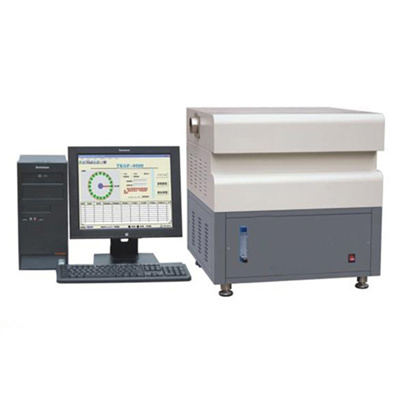 What is the input interface of the calorimeter?