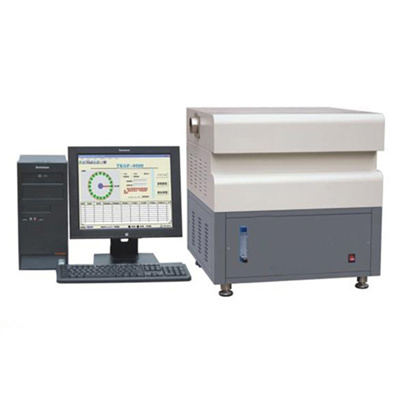
What are the constant temperature calorimeters?
The core principle of constant temperature calorimeter
The thermostatic calorimeter operates based on the principle of heat balance. By precisely controlling the ambient temperature, the substance to be tested reacts or changes at a constant temperature, and the absorption or release of heat is measured synchronously. The instrument has a built-in high-precision temperature sensor and temperature control system to monitor and adjust the temperature in real time to ensure a stable experimental environment and lay a solid foundation for accurate heat measurement.
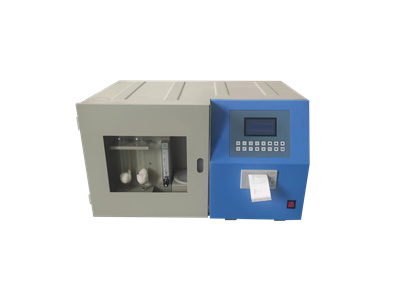
The outstanding features of constant temperature calorimeter
1. Precise temperature control: Using advanced temperature control technology, the temperature fluctuation is minimal, which can stabilize the experimental temperature near the set value, providing a strong guarantee for the accuracy of the experimental results and reducing errors caused by temperature deviations.
2. Excellent measurement accuracy: Equipped with high-sensitivity heat measurement components, it can accurately capture minor heat changes, providing reliable data for both conventional substance detection and special samples sensitive to heat changes.
3. Convenient and efficient operation: With a user-friendly operation interface and a simple and easy-to-understand operation process, even first-time users can get started quickly, greatly improving experimental efficiency and reducing operation difficulty.
Multiple application fields of constant temperature calorimeter
1. Energy and chemical industry: used to determine the calorific value of fuels, assist energy companies in evaluating fuel quality, optimize energy utilization plans, and provide key data support for process improvement in chemical reaction heat measurement.
2. Materials research and development field: It can accurately measure the phase change heat, reaction heat, etc. of materials, help researchers understand the thermal properties of materials, and provide a scientific basis for the development and performance optimization of new materials.
3. Food and pharmaceutical industry: in the determination of food calories, provide accurate data for nutrition labels; in the process of drug development, detect drug reaction heat to ensure drug quality and safety.
Mastering the knowledge of constant temperature calorimeters can provide strong support for experimental testing, R & D and innovation in various industries, and help related fields achieve efficient and accurate development.
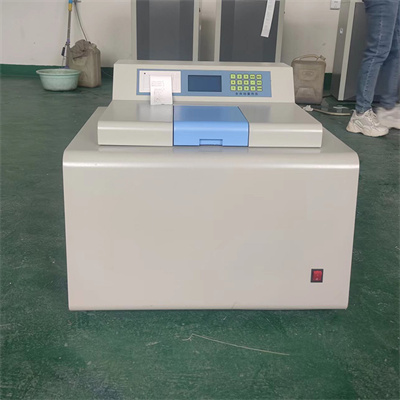 How to read calorimeter data
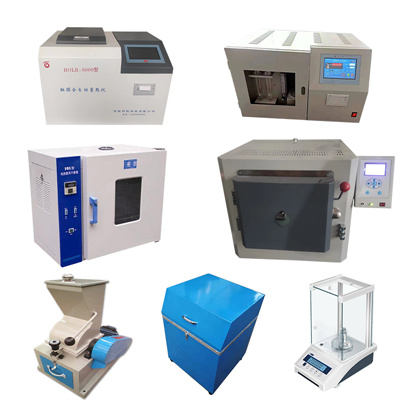 What is the design principle of a calorimeter?
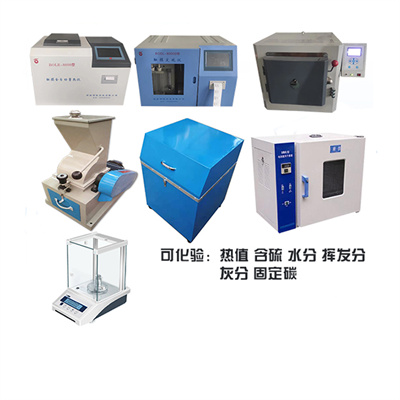 What is the harm of lack of water in the calorimeter?
 What is the input interface of the calorimeter?