Which calorimeter is the best?
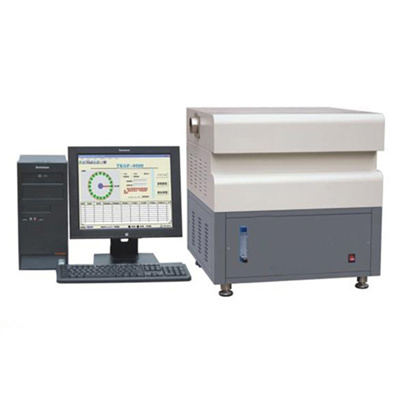
In the fields of energy, chemical industry, and scientific research, calorimeters are key equipment for accurately measuring the calorific value of substances. Choosing the right calorimeter directly affects the accuracy and efficiency of experimental data. Which calorimeter is the best? Master the following core points and easily choose the appropriate equipment.
First, look at the core performance indicators
Accuracy is the core lifeblood of a calorimeter. The thermal capacity stability of a high-quality calorimeter needs to be up to standard, and the measurement error can be controlled in a very small range, such as meeting the relevant requirements of the national standard GB/T 213 to ensure reliable calorific value measurement results. At the same time, the degree of automation is also critical. A calorimeter with automatic water injection, stirring, ignition, data recording and calculation functions can greatly reduce manual operation errors, improve detection efficiency, and adapt to batch detection scenarios.
Second, consider brand strength and reputation
Top brands often have deeper technical precipitation and perfect quality control systems. Domestic brands such as Changsha Kaiyuan and Beijing Zhuorui have been deeply involved in the industry for many years. Their products have been verified by a large number of laboratories, with timely after-sales response and stable supply of accessories. International brands such as German IKA have high recognition in high-end scientific research fields due to their precision manufacturing processes, but their prices are relatively high. When choosing, you can refer to the feedback from peers, and give priority to brands with high market share and solid reputation.
III. Combining budget with actual needs
The demand for calorimeters varies significantly in different scenarios. Scientific research laboratories pursue extreme accuracy and can focus on high-end models; enterprise batch testing needs to consider cost performance and durability, and mid-range practical calorimeters are more suitable. When the budget is limited, there is no need to blindly pursue international big brands. Domestic high-quality brands can fully meet the needs of routine testing. On the premise of ensuring accuracy, the cost performance advantage is significant.
IV. Pay attention to after-sales and maintenance guarantees
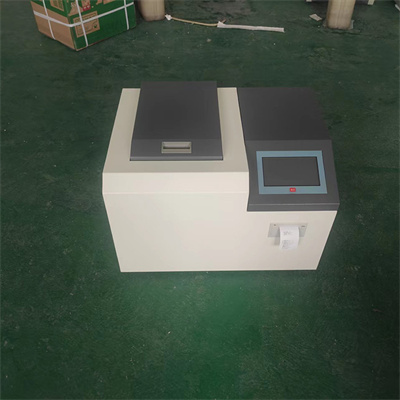
Calorimeters are precision instruments, and post-maintenance and calibration are essential. Priority is given to brands that provide on-site installation and commissioning, free calibration training, and long-term technical support. At the same time, it is necessary to confirm the supply cycle of accessories to avoid delaying the detection progress due to equipment failures, and build a solid backing for long-term stable use.
In short, choosing the best calorimeter requires comprehensive performance, brand, budget and after-sales considerations. By clarifying your own needs and accurately matching, you can find high-quality equipment that fits the scene and escort the testing work.
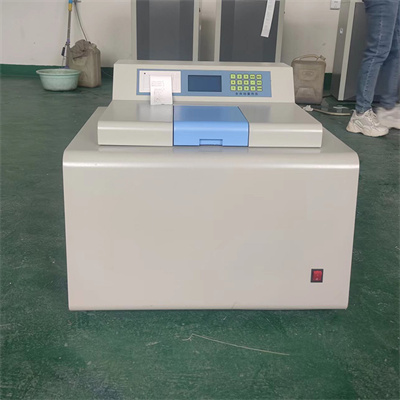 How to read calorimeter data
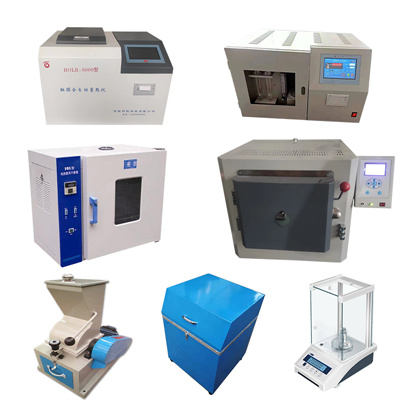 What is the design principle of a calorimeter?
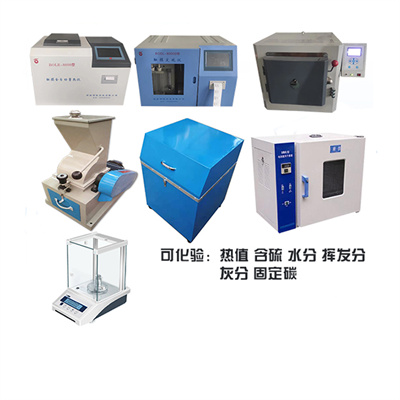 What is the harm of lack of water in the calorimeter?
 What is the input interface of the calorimeter?