There are several types of reaction calorimeters
In the fields of chemical, pharmaceutical and other scientific research and production, reaction calorimeters are key devices for accurately obtaining reaction heat data. Many people are curious about the types of reaction calorimeters. Here are the common types and their characteristics for you to clearly sort out.
Constant temperature reaction calorimeter
The core principle of this type of calorimeter is to maintain the temperature of the reaction system constant, and calculate the reaction heat by measuring the heat input or removed to maintain the constant temperature. Its advantage is that it has high measurement accuracy, and is especially suitable for reaction processes where the reaction rate is relatively flat and the heat change is smooth. For example, in fine chemicals, for some mild synthesis reactions, the constant temperature reaction calorimeter can capture heat data stably, providing a reliable basis for process optimization.
Adiabatic reaction calorimeter
The adiabatic reaction calorimeter has little heat exchange with the outside world. The temperature of the system changes naturally with the reaction heat during the reaction process, and the reaction heat is calculated by monitoring the temperature change. It has a simple structure and can intuitively reflect the thermal effect of the reaction, making it suitable for reaction scenarios with rapid reactions or concentrated heat release. In high-energy reaction studies such as explosives, the adiabatic reaction calorimeter can quickly capture the heat change of the violent reaction, and obtain key data while ensuring the safety of the experiment.
Differential Reaction Calorimeter
The differential reaction calorimeter measures the reaction heat by comparing the temperature difference between the sample and the reference substance. It has high sensitivity and can detect small heat changes, which is very effective for studying complex reactions and phase transitions. In the field of material research and development, the differential reaction calorimeter can help analyze the thermal changes during the synthesis of materials and help researchers accurately control the properties of materials.
Scanning reaction calorimeter
The scanning reaction calorimeter can change the temperature at a certain rate and monitor the change of heat with temperature during the reaction process in real time. It can fully grasp the thermal behavior of the reaction at different temperature stages, providing rich data for the study of reaction kinetics and thermodynamics. In drug development, the scanning reaction calorimeter helps to analyze the relationship between drug stability and temperature, and provides key information for the formulation of drug storage conditions.
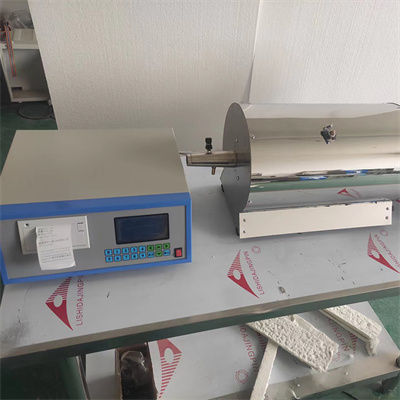
Different types of reaction calorimeters have their own application scenarios. Understanding the types of reaction calorimeters can help you accurately select models according to experimental needs, obtain reaction heat data efficiently, and promote the smooth development of scientific research and production.
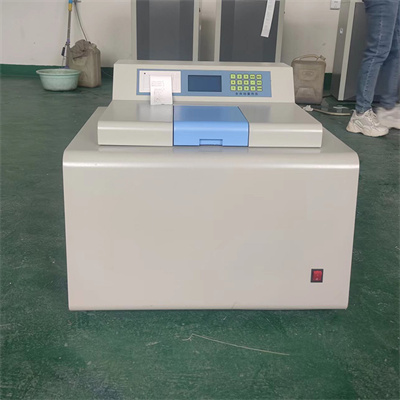 How to read calorimeter data
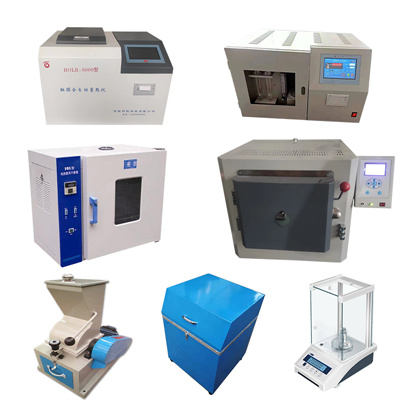 What is the design principle of a calorimeter?
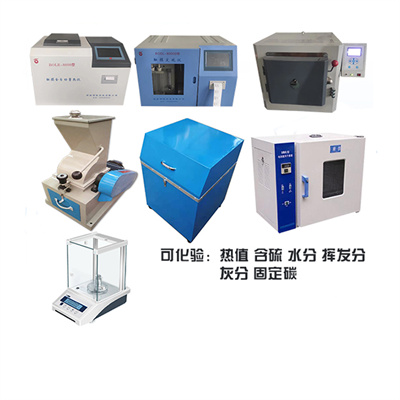 What is the harm of lack of water in the calorimeter?
 What is the input interface of the calorimeter?