Which calorimeter is the best to use?
In scientific research experiments, industrial production, and many other fields, calorimeters are key devices for accurately measuring heat. There are many types of calorimeters available on the market. Which one is the best to use? By mastering the core purchasing points, you can easily choose the appropriate equipment.
Accuracy is the core metric
An easy-to-use calorimeter must have excellent accuracy. The current mainstream oxygen bomb calorimeter, with its closed combustion environment and high-precision temperature sensor, can control the error in a very small range, which is suitable for coal quality detection and chemical raw material calorific value analysis scenarios that require extremely high data accuracy. The adiabatic calorimeter, by isolating external temperature interference, further improves the measurement stability and performs well in conventional laboratory calorific value determination.
Stability determines user experience
Equipment stability directly affects the experimental efficiency and reliability of results. High-quality calorimeters use high-quality thermal insulation materials and mature temperature control systems, which can maintain a stable measurement state even if they operate continuously for a long time. Some high-end models also have automatic calibration functions, which can correct data deviations in real time and reduce manual maintenance costs, especially suitable for industrial scenarios where batch samples are tested.
Adapting to the scene is a key consideration
The demand for calorimeters varies significantly in different scenarios. If it is used for portable on-site testing, the portable calorimeter can quickly complete outdoor testing tasks with its small body and fast response ability; if it is a scientific research-grade complex sample analysis, it needs an intelligent calorimeter with multi-mode measurement and data depth analysis functions, which can meet diverse experimental needs.
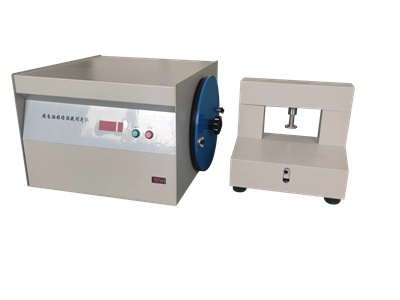
When purchasing a calorimeter, you also need to pay attention to details such as ease of operation and after-sales services. It is recommended to choose brand products with good reputation and mature technology based on your own testing needs and budget, so that the calorimeter can truly become a powerful tool to help your work.
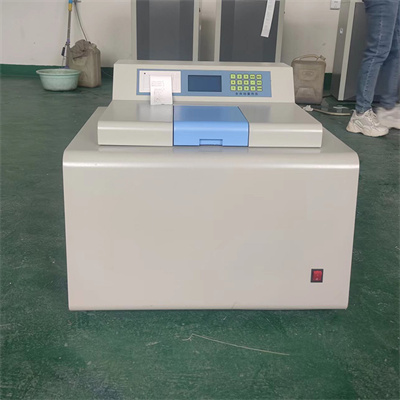 How to read calorimeter data
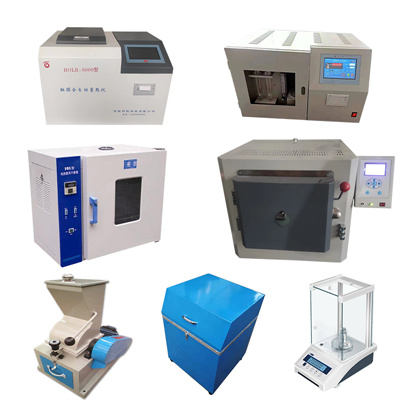 What is the design principle of a calorimeter?
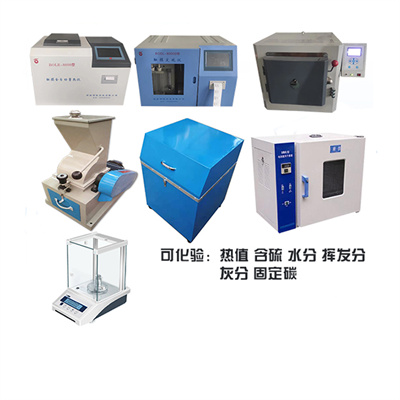 What is the harm of lack of water in the calorimeter?
 What is the input interface of the calorimeter?