What is the principle of a calorimeter?
As a key instrument for accurate heat measurement, calorimeter is widely used in energy, chemical industry, scientific research and other fields. Its principle is the core foundation for accurate heat measurement.
Core principle: based on the law of conservation of energy
The core principle of the calorimeter strictly follows the law of conservation of energy. When the material to be tested undergoes combustion, reaction and other processes in a specific environment inside the instrument, the heat released or absorbed will be accurately captured by the measurement system of the calorimeter. In simple terms, all the heat generated by the reaction of the material will be transferred to the heat transfer medium inside the calorimeter. By measuring the temperature change of the heat transfer medium and combining the known parameters such as heat capacity, the heat value released or absorbed by the reaction of the material can be accurately calculated. The whole process ensures that energy is transferred without loss, providing a reliable premise for heat calculation.
Key work links: heat transfer and accurate measurement
The workflow of the calorimeter revolves around heat transfer and measurement, and is mainly divided into three key links. The first step is the heat transfer link. The sample to be tested completes the reaction in a closed combustion chamber or reaction chamber, and the released heat is evenly transferred to the heat transfer medium in close contact with the cavity through heat conduction, heat radiation, etc., such as water, heat transfer oil, etc., to ensure efficient heat transfer without loss.
The second step is the temperature monitoring process. The calorimeter is equipped with a high-precision temperature sensor, which can capture the temperature change of the heat transfer medium in real time. Even if the temperature fluctuation is only very small, the sensor can accurately record it, providing accurate data support for subsequent calculations.
The third step is the heat calculation process. The instrument will replace the preset calculation formula according to the core parameters such as the heat capacity, temperature change, and sample quality of the heat transfer medium, and automatically complete the calculation of the heat value. Finally, the result will be clearly presented. The whole process is efficient and accurate, without the need for manual complex calculations.
Core advantage: Ensure measurement accuracy
Based on the above principles, the calorimeter has significant advantages. It minimizes heat loss through a closed reaction environment and accurate heat transfer design. At the same time, a high-precision monitoring and calculation system ensures the repeatability and accuracy of the measurement results, meeting the stringent requirements of heat measurement in various scenarios. Whether it is fuel calorific value detection or chemical reaction heat measurement, it can provide accurate data with reliable principles.
Mastering the principle of a calorimeter not only helps users standardize their operation, but also provides a deeper understanding of the core logic of heat measurement, laying a solid foundation for work in related fields and scientific research.
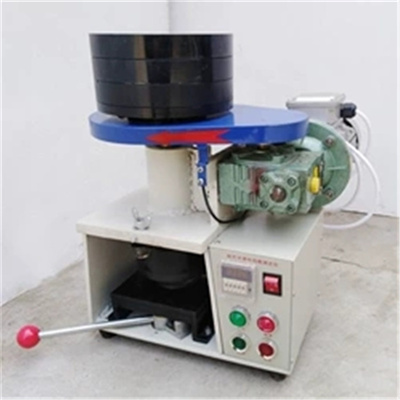
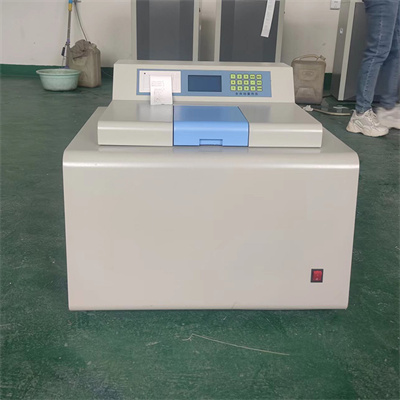 How to read calorimeter data
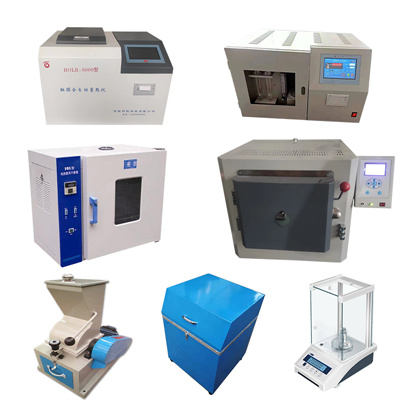 What is the design principle of a calorimeter?
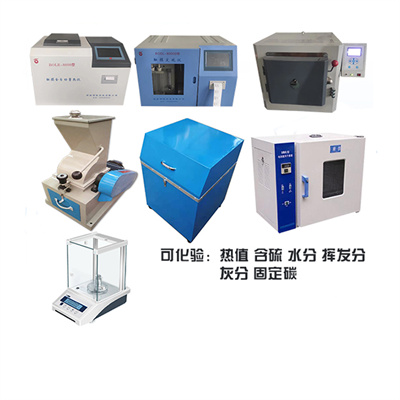 What is the harm of lack of water in the calorimeter?
 What is the input interface of the calorimeter?