Which calorimeter equipment is better?
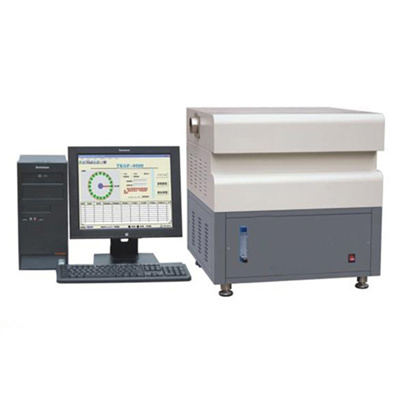
In scientific research and testing, energy and chemical industry, etc., calorimeter equipment is the core tool for accurately measuring the heat of substances. Choosing the right equipment directly affects the accuracy and work efficiency of the detection data. In the face of a wide range of products on the market, which calorimeter equipment is better? This buying guide will take you to accurately avoid pits.
Core performance is the top priority
The core performance of a calorimeter directly determines the detection accuracy, and two major indicators need to be controlled when purchasing. First, the measurement accuracy, the measurement error of high-quality equipment can be controlled within ± 0.1%, which can accurately capture subtle heat changes and meet the needs of scientific research-grade testing; second, the stability, the equipment needs to have a constant temperature control system, even if it works continuously for more than 8 hours, it can maintain data stability and avoid distortion due to environmental fluctuations.
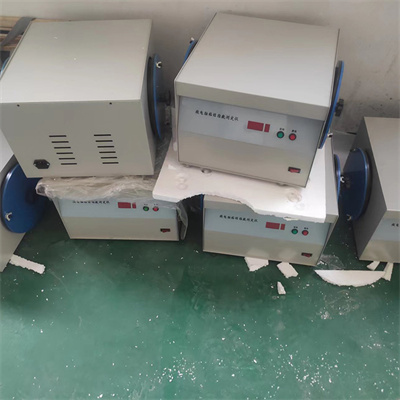
Brand strength and qualification certification cannot be ignored
Reliable calorimeter manufacturers often have solid technical precipitation and perfect quality control system. Preference is given to brands with independent R & D teams and independent production bases, which can control quality from core components to complete machine assembly. At the same time, the equipment must have metering instrument production licenses, ISO quality system certifications and other qualifications. These certifications are important endorsements of equipment compliance and reliability, and escort subsequent use.
Adaptation requirements are as critical as after-sales services
The demand for calorimeters varies significantly in different scenarios. When purchasing, you need to match the equipment specifications according to your own usage scenarios. Laboratory scientific research scenarios need to focus on the versatility of the equipment and support a variety of sample testing; industrial production scenarios pay more attention to the durability and detection efficiency of the equipment, and adapt to the needs of large-scale testing. In addition, perfect after-sales services are essential. Preference is given to manufacturers that provide on-site installation and debugging, lifetime technical support, and 24-hour fault response to avoid unattended docking when the equipment fails, which affects normal work.
Word of mouth and case references are more convincing
To understand the true performance of calorimeter equipment, you also need to refer to industry reputation and practical application cases. You can pay attention to the cooperative customers of the manufacturer. If they have long-term service in universities, scientific research institutes, large chemical enterprises, etc., it means that the performance of the equipment has been professionally recognized. At the same time, check user evaluations, focusing on core dimensions such as equipment durability, detection accuracy, and after-sales response speed. Real user feedback can help you more intuitively judge the quality of the equipment.
In summary, the selection of calorimeter equipment requires comprehensive consideration from multiple dimensions such as core performance, brand qualification, demand adaptation, after-sales services, and word-of-mouth cases. Mastering these key points can accurately target high-quality equipment and lay a solid foundation for testing.
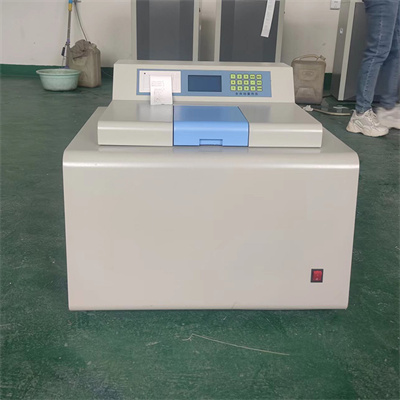 How to read calorimeter data
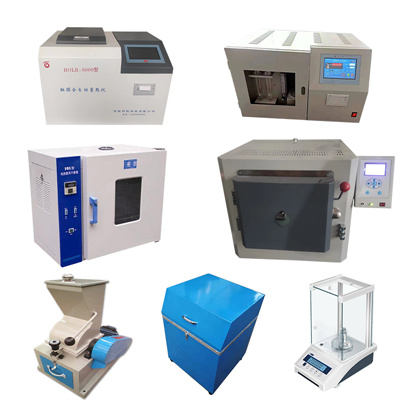 What is the design principle of a calorimeter?
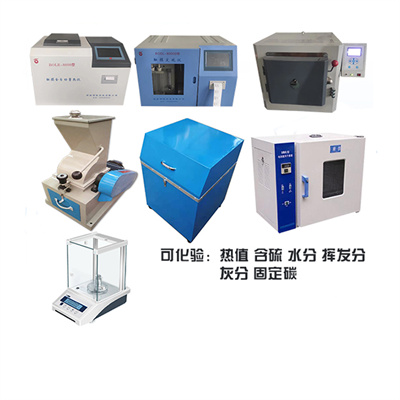 What is the harm of lack of water in the calorimeter?
 What is the input interface of the calorimeter?