How to deal with the icing of the calorimeter
In the laboratory testing work, the calorimeter icing is a relatively common fault. If it is not dealt with in time, it will directly lead to the distortion of the test results and affect the experimental progress. Mastering scientific treatment and prevention methods is the key to ensuring the stable operation of the instrument.
First, investigate: identify the core reasons for the icing of the calorimeter
The freezing of the calorimeter is not accidental, mainly due to two factors: first, the ambient temperature is too low, when the laboratory temperature is lower than 0 ° C and the instrument is not well insulated, the internal water medium is easily frozen; second, the instrument seal fails. If the sealing ring of the calorimeter is aging, the interface is loose, the outside cold air invades, and after combining with the internal water vapor, an ice layer will form inside the instrument. Identify the cause and solve the problem accurately.
Second, divided into steps: the standardized treatment process of calorimeter icing
1. Safe power failure, do a good job of protection
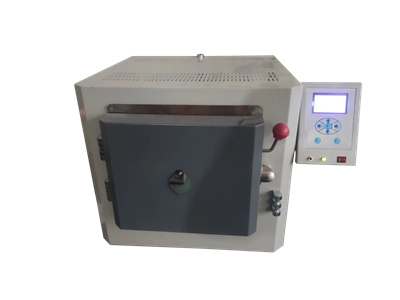
Before treatment, the power supply of the calorimeter must be cut off to avoid the risk of electric shock caused by operation in a powered state. At the same time, prepare soft brushes, anhydrous ethanol, clean absorbent cloths and other tools, and wear insulating gloves during operation to ensure personal safety.
2. Gentle de-icing to avoid damage
Use a soft brush to gently sweep off the visible ice layer on the surface of the instrument. For the internal stubborn ice layer, you can dip absolute ethanol in a cotton swab and slowly apply it to the frozen area. Use the low freezing point characteristics of ethanol to accelerate the melting of the ice layer. It is strictly forbidden to use sharp tools to scrape, so as not to scratch the inner wall of the instrument and destroy the accuracy of the instrument.
3. Thoroughly dry and check the seal
After the ice layer melts, use an absorbent cloth to dry the moisture inside the instrument, then open the instrument shell to check whether the sealing ring is aging and whether the interface is loose. If the sealing ring is aging, the sealing ring of the same specification needs to be replaced in time; if the interface is loose, it needs to be re-tightened to ensure that the instrument is well sealed.
4. No-load test to confirm normal
After the processing is completed, do not place the sample first, and conduct an no-load test on the calorimeter to observe whether the instrument is running normally and whether the temperature, pressure and other parameters are stable. If there is no abnormality in the test, then put it into normal use to avoid subsequent failures due to improper handling.
III. Heavy prevention: key measures to avoid re-icing of the calorimeter
Prevention is better than treatment, and daily protection can effectively reduce the problem of icing. First, control the laboratory temperature and maintain the temperature in a suitable range of 15-25 ° C, and turn on the air conditioner or heating in low temperature weather; second, regularly check the instrument seal, check the sealing ring and interface once a month, and replace the aging parts in time; third, when it is out of use for a long time, empty the water medium inside the instrument and store it in a dry and warm environment.
Through accurate investigation, standardized treatment, and scientific prevention, the problem of icing of the calorimeter can be easily solved, ensuring that the instrument is always in a stable and accurate operating state, and providing reliable support for experimental testing.
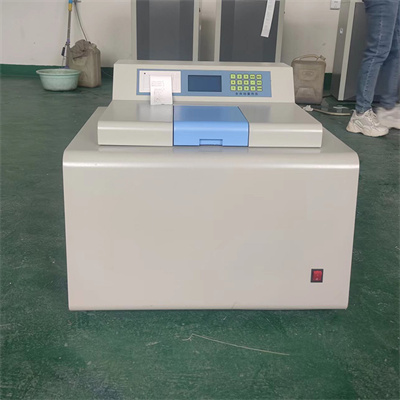 How to read calorimeter data
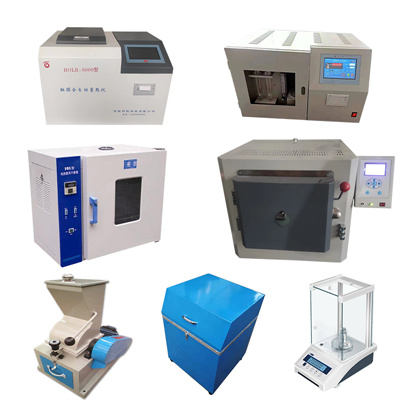 What is the design principle of a calorimeter?
 What is the harm of lack of water in the calorimeter?
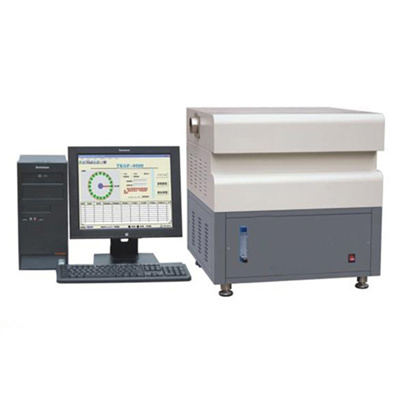 What is the input interface of the calorimeter?