How to fill in the calibration of the calorimeter
calorimeter calibration is the core link to ensure the accuracy of test results. The standardization of calibration filling directly affects the calibration effect of the instrument. From the core steps, filling in the specifications to the practical operation details, we will disassemble the complete process for you.
First, the core preparations before calibration
Before calibration, it is necessary to confirm the status of the instrument to ensure that the calorimeter power supply is stable and the sensor is free of abnormalities. At the same time, the benzoic acid standard sample that meets the national standard should be prepared. The calorific value should be clearly marked and within the valid period. In addition, a record form should be prepared to clearly mark the basic information such as the instrument model, calibration date, and operator to build a solid foundation for subsequent filling.
Fill in the key parameters of the calibration process
Fill in the standard sample information: accurately record the quality of the benzoic acid used, accurate to 0.0001g, and mark the standard calorific value of the standard sample to ensure that the data is consistent with the standard sample certificate, which is the core basis for calculating the calibration coefficient.
2. Fill in the temperature change: record the change value of the water temperature of the inner cylinder before and after ignition in detail, including the initial temperature and the maximum temperature. When calculating the temperature rise, keep valid numbers to avoid affecting the calibration accuracy due to data errors.
3. Fill in the calibration coefficient: Calculate the calibration coefficient according to the formula, and fill in the calculation process and results clearly in the table. If calibrated multiple times, the average value should be taken as the final calibration coefficient to ensure the stability and reliability of the result.
III. Key points for filling in the calibration records
After the calibration is completed, the record should be filled in in complete compliance. Fill in the ambient temperature and humidity truthfully, because environmental factors will affect the temperature measurement; at the same time indicate the number of calibrations. If there is a data deviation, please note the reason for the deviation and the treatment method. All the contents should be clearly written and cannot be altered. If you need to modify it, you need to seal it to ensure the seriousness of the record.
Fourth, common mistakes in calibration filling are avoided
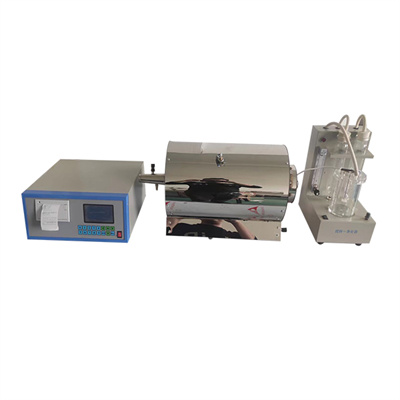
When filling in, it is necessary to avoid omission of parameters, such as forgetting to mark the batch number of the standard sample; to prevent data fraud and fill in strictly according to the actual measured value; at the same time, pay attention to the unity of the unit to avoid calculation errors due to unit confusion. In addition, the content of the filling needs to be reviewed in time after calibration to ensure that the data logic is consistent, providing reliable support for the follow-up accurate detection of the calorimeter.
Mastering the specifications and key points for calibrating a calorimeter can not only ensure the stability of the instrument performance, but also ensure the authority of the testing data, and help the efficient progress of the experiment and testing work.
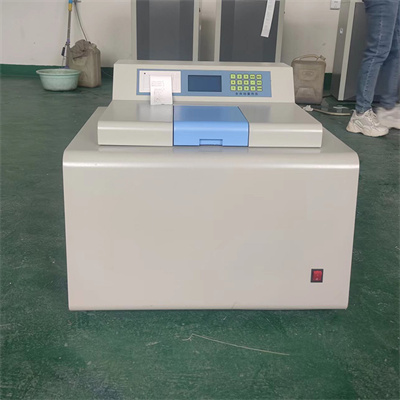 How to read calorimeter data
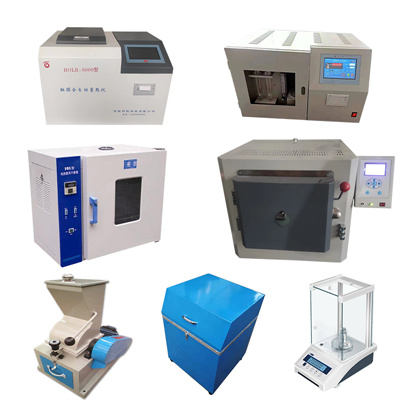 What is the design principle of a calorimeter?
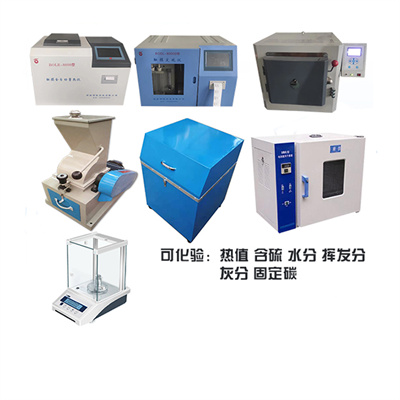 What is the harm of lack of water in the calorimeter?
 What is the input interface of the calorimeter?