Which calorimeter is the most accurate?
In scientific research experiments, energy detection, chemical analysis and other scenarios, the accuracy of the calorimeter directly determines the reliability of the data, and it is crucial to choose a high-precision calorimeter. But there are many models of calorimeters on the market, which one is the most accurate? The following is a clear disassembly of the core principle, key components and applicable scenarios for you.
First, the core of accuracy: card meter calorimeter is the first choice for high precision
From the technical principle, the calorimeter is mainly divided into two categories: constant volume type and card meter type. Among them, the card meter calorimeter has become the benchmark of accuracy with its closed thermal insulation system and precise temperature control technology. It captures small heat changes through precision temperature sensors, and cooperates with high-precision temperature control modules to offset environmental disturbances. The error can be controlled within 0.1%, which is far better than the constant volume calorimeter. This type of instrument is mostly used for scientific research-grade accurate heat measurement, and is the first choice for the pursuit of extreme accuracy scenarios.
Key components: the three cores that determine accuracy
1. Temperature sensors: the "perceptual core" of accuracy
High-precision calorimeters are commonly equipped with platinum resistance temperature sensors, with a sensitivity of up to 0.001 ° C, which can accurately capture subtle temperature fluctuations caused by heat and avoid data omission. This is the basic guarantee for accuracy.
2. Temperature control system: the "key line of defense" for stability
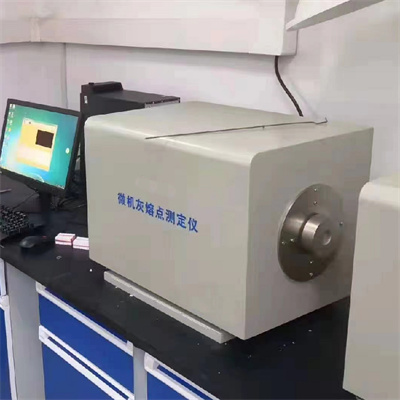
The advanced dynamic temperature control algorithm and the constant temperature groove can counteract the ambient temperature fluctuation in real time, ensure the temperature stability of the whole experiment, avoid the data deviation caused by temperature drift, and escort the accuracy.
3. Mixing device: the "guarantee core" of uniformity
Uniform mixing can ensure that the sample and the medium are fully mixed to avoid local heat accumulation. High-precision calorimeters mostly use magnetic stirring, stable speed and no mechanical interference, reducing measurement errors from the source.
III. Selection Guide: Matching Precision Instruments by Scenario
Scientific research-level requirements: Preference is given to card-meter calorimeters, with imported platinum resistance sensors and intelligent temperature control systems to meet high-precision experimental requirements.
Industrial testing requirements: If you focus on batch testing, you can choose a calorimeter with a high degree of automation, taking into account accuracy and efficiency, and the error can be controlled within 0.5%.
- Scenarios with limited budget: A high-quality domestic constant temperature calorimeter can be selected, provided that the core components meet the standards, and the accuracy can meet the requirements of routine testing.
To sum up, there is no absolute "most accurate" calorimeter, only the best choice for the scene. Only by clarifying its own accuracy requirements and combining the configuration of core components can a truly accurate and reliable calorimeter be selected, which will build a solid data foundation for experimentation and testing.
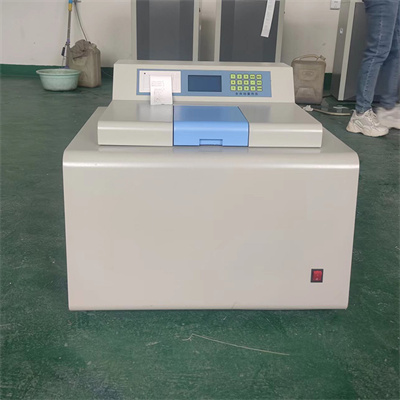 How to read calorimeter data
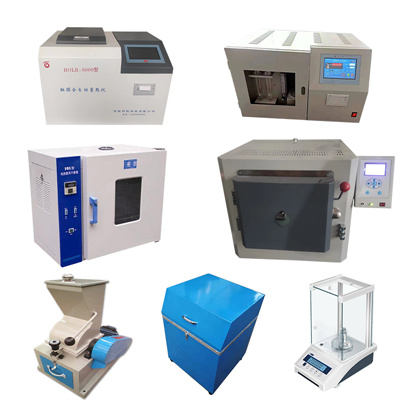 What is the design principle of a calorimeter?
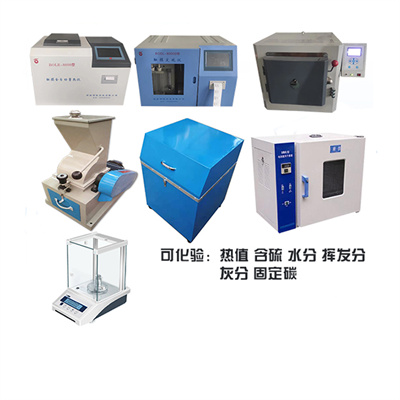 What is the harm of lack of water in the calorimeter?
 What is the input interface of the calorimeter?